2D Games Put Clarity, Timing, and Readability First
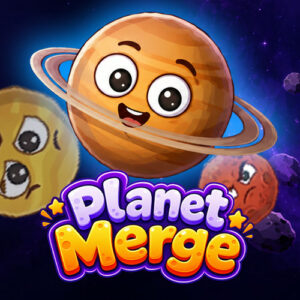
The 2D tag covers a wide spread of browser games, but the common thread is easy to spot: action is presented on a flat plane, and that keeps the focus on movement, timing, and decision-making. In Sonic Mania Plus and Neon Rush, the appeal comes from speed and route control. In Vex Try To Fly, Vex 9, and Skate Dash, the same 2D structure becomes a precision test built around jumps, hazards, and reset-heavy obstacle design. Even games with very different goals, such as Block Blast Unblocked and Planet Merge, benefit from the same visual directness: the player can read the board or lane immediately and make fast, confident choices.
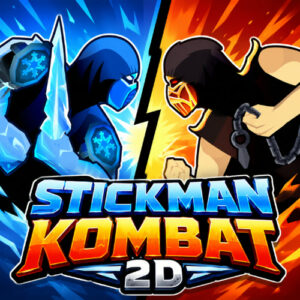
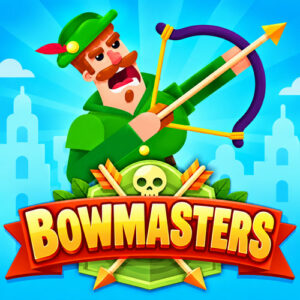
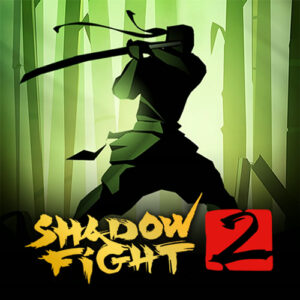
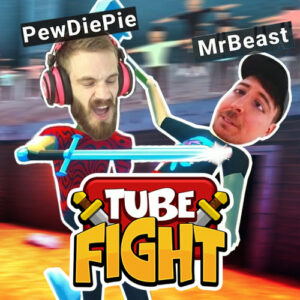
That clarity is one reason 2D games remain so adaptable. They can be built around combat, platforming, physics, sports, puzzle rules, or arcade survival without losing readability. Shadow Fight 2 uses the side-view format for timing-heavy duels, while Stick Kombat 2D and Tube Fight turn the same perspective into a more chaotic brawler setup. Bowmasters Archery Shooting and Mr Stickman Gunner use 2D to make aiming and angle control central to the action. Across the tag, the presentation stays simple even when the systems become demanding.
Precision Platforming and the Value of Clean Layouts
Several of the strongest examples in the tag are built around movement mastery. Pixel Path, Endacopia, and the Vex games ask players to learn level geometry, respond to traps, and correct mistakes quickly. The challenge is not just jumping correctly, but understanding spacing and momentum well enough to avoid repeated failure. Wheel Quest adds another layer by making movement feel more awkward and deliberate, which changes how players approach slopes, gaps, and obstacle timing.
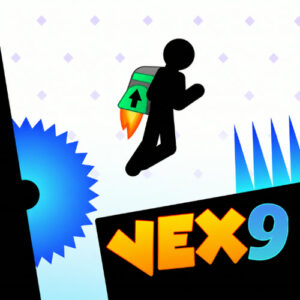
This is where 2D design shows its practical strength. A player can judge distance, height, and danger without camera clutter getting in the way. In platformers like Sonic Mania Plus, that same structure supports speed, but in Vex 9 it supports tight control and exacting movement. The genre differences are obvious, yet the underlying skill set overlaps: memorization, rhythm, and the ability to recover after a failed attempt.
Combat Games Use the Side View Very Differently
2D combat games rarely play alike, even when they share a side-on presentation. Shadow Fight 2 leans toward measured duels and animation timing, while Stick Kombat 2D and Tube Fight feel more direct and improvisational. PaperWar.io brings competitive pressure into the same format, using the clean 2D battlefield to keep movement and attack choices legible during fast multiplayer exchanges. Mr Stickman Gunner sits a little apart by emphasizing shooting rather than close-range fighting, but it still depends on the same readable lanes and clear enemy positioning.
The side view is especially useful in combat because it strips away unnecessary angles. Knockback, spacing, projectile arcs, and attack range become easier to understand at a glance. That makes these games more approachable at first, but also leaves room for higher-level play. Small timing errors matter. So do spacing mistakes. In that sense, 2D combat often rewards calm execution more than flashy input speed.
Arcade Sports and Casual Competition Fit the Format Well
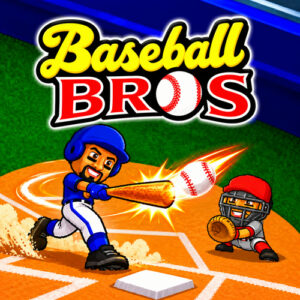
Some of the tag’s most approachable games use 2D to make sports and competitive mini-games immediately readable. Baseball Bros IO and Boys vs Girls rely on quick reactions and simple objectives, which work well when the camera stays fixed and the action unfolds cleanly across a side or top-down plane. Bowmasters Archery Shooting uses the same logic for projectile combat: angle, power, and timing matter more than complex controls.
These games show how 2D supports fast entry without removing skill. The rules are easy to grasp, but consistent success still depends on judgment and repetition. That makes the format useful for short sessions, especially when players want immediate feedback instead of long setup or heavy systems. The experience is less about learning large rule sets and more about refining a few core actions until they feel natural.
Puzzle-First 2D Games Turn Space Into a System
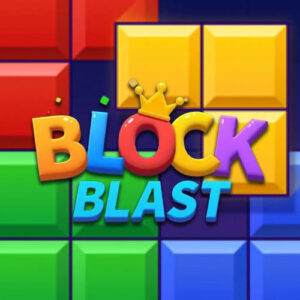
Not every game in the tag is about action. Block Blast Unblocked and Planet Merge use 2D layouts to frame spatial reasoning and placement decisions, while Pixel Path and Endacopia can also ask players to think in terms of pattern recognition and trial-and-error. In these games, the flat presentation is not just a visual style; it is part of the logic. The player can evaluate the entire board, track consequences, and plan moves without having to wrestle with perspective.
That makes 2D especially effective for puzzle design. Information stays visible, mistakes are easy to diagnose, and each move can be judged against the layout immediately. The best examples in this group use that simplicity to create tension. A clean board often hides a narrow set of optimal choices, and the challenge comes from recognizing them before the space fills up or the route closes off.
2D Also Works for Speed, Physics, and Improvised Survival
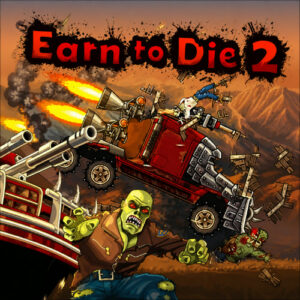
Games like Earn to Die 2 and Hyper Wave Challenge show a different side of the tag: momentum-driven play where motion itself becomes the main resource. In Earn to Die 2, progress is tied to driving farther and pushing through barriers, while Hyper Wave Challenge and Neon Rush lean into reflexive dodging and rhythm-like movement through tight spaces. Wheel Quest sits near this group too, since its physics-based feel changes how every obstacle is approached.
What connects them is the use of 2D to make motion legible under pressure. Speed matters, but so does control. The player is constantly adjusting to terrain, obstacles, or changing gaps, and the flat plane keeps the feedback immediate. That is why 2D remains such a strong fit for arcade-style endurance games: it can push pace hard without obscuring the rules that govern each failure or success.
 Vex 9
 Hyper Wave Challenge
 Gin Rummy Online
 Block Blast
 Pixel Path
 Sonic Mania Plus
 Endacopia
 Wheel Quest
 Stick Kombat 2D
 Planet Merge
 Boys vs Girls
 Baseball Bros IO
 Bowmasters Archery Shooting
 Neon Rush
 Vex Try To
 Skate Dash
 Mr Stickman Gunner
 Shadow Fight 2
 Earn to Die
 Tube Fight
 PaperWar.io
 Tap Brawl
 Track Dash
 Red Ball 4
 Tetrix Online
 Geometry Dash Funhouse
 FNF: The Amazing
 Golf Orbit
 Zombies and Luig
 Doodle Baseball
 Happy Wheels
 Block Blast
 Magic Tiles
 Hollow Knight: Silksong
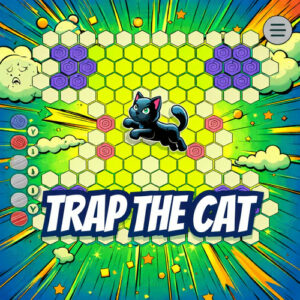 Trap The Cat
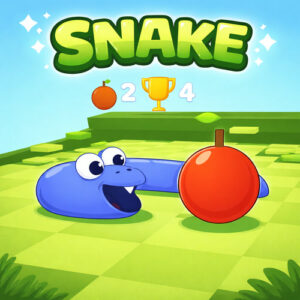 Snake
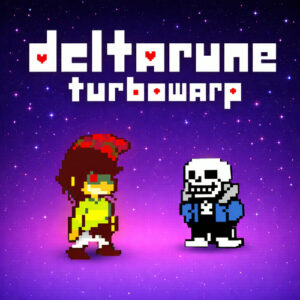 Deltarune TurboWarp
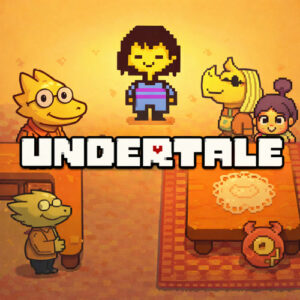 Undertale
 Hollow Knight
 Space Waves
 Orbit Rush
 Plants Vs Zombies
 That’s Not My
 Pereelous
 Pokémon Emerald
 Neon Leap
 Stickman Slash
 Fun Clicker
 Rooftop Rush
 Oneli
 Ragdoll Arena
 Stickman Battle
 Big FLAPPY Tower
 2 Player Tag
 Find The Difference
 Stick RPG Complete
 Papa’s Donuteria
 Papa’s Wingeria
 Papa’s Cupcakeria
 Capybara Clicker
 Riddle School 2
 A Small World
 Spiderdoll