What Are Driving Games?
Driving games cover far more than simple point-to-point racing. In this category, the main activity is controlling a vehicle, but the goals can shift from speed and precision to balance, destruction, tuning, stunt riding, or obstacle navigation. That range is clear from the selection here: Super Star Car and Drift Hunters 2 lean toward racing and car control, Parking Space and Auto Drive focus on careful maneuvering, while Jelly Truck, Wheelie Bike, and Ice Dodo push players into physics-based handling and awkward terrain. Even games that move away from traditional roads, such as Rocket League or Free Rider 2, still rely on the same core skill set: reading momentum, adjusting direction, and staying in control under pressure.
What makes driving games so broad is the way they translate vehicle control into different kinds of challenges. Some ask for clean laps and sharp cornering. Others turn driving into a puzzle, where the player must solve parking angles, avoid crashes, or maintain balance on steep ramps. A few, like Derby Crash and Zombie Derby, use vehicles as tools for impact rather than precision, while Nitro Type 2 treats driving as a competitive framework built around speed and timing. The topic draws together games that may look very different at first glance, but all revolve around movement, positioning, and the tension between control and chaos.
Speed, Cornering, and Traditional Racing
Several games in this category still follow the familiar structure of racing, where the main objective is to move faster than opponents or to maintain a strong pace over a course. Super Star Car represents this side of driving clearly, with a focus on circuit-style racing and smooth vehicle handling. Drift Hunters 2 builds on that foundation by emphasizing controlled slides rather than pure straight-line speed, which changes the rhythm of play. Instead of simply accelerating, the player has to manage angle, traction, and timing through corners.
Road Rash adds a harsher edge to racing by mixing speed with aggression, making it feel less like a clean contest and more like a battle for position. Kart Wars also uses vehicle competition, but its tone is less about realistic driving and more about fast, scrappy movement with a competitive twist. Nitro Type 2 stands apart from the others by turning racing into a typing challenge, yet the structure still mirrors driving games: progress is earned through speed, control, and keeping momentum alive. Together, these games show how driving can support both simulation-style racing and faster, more arcade-like competition.
Precision Driving and Parking Challenges
At the other end of the category are games built around careful positioning rather than outright speed. Parking Space is a strong example of this approach, where the challenge is not winning a race but placing a vehicle accurately in a confined area. That change in objective creates a different kind of tension. Small mistakes matter more than raw pace, and players have to think about steering angle, spacing, and approach speed.
Auto Drive and Extreme Car Driving Simulator offer broader environments for vehicle handling, but they still depend on the same patient control. In these games, players are often testing how a vehicle responds in open spaces, around corners, or through free-roam movement. Rather than following a fixed race line, the challenge comes from learning the behavior of the car itself. This is one reason driving games remain popular with players who enjoy measured control as much as competition. The satisfaction comes from placing a vehicle exactly where it needs to go, not just from reaching the finish line first.
Physics, Balance, and Unusual Vehicles
A major part of this category is built on exaggerated physics, where driving means learning how unstable or unusual machines behave. Jelly Truck uses a soft, reactive vehicle model that turns every hill and landing into a test of balance. Wheelie Bike shifts the idea even further by centering the challenge on staying upright while pulling and maintaining a wheelie, which is much closer to a balance game than a standard driving race. Ice Dodo adds another layer of difficulty through slippery surfaces and awkward movement, making fine control essential.
Free Rider 2 and Free Rider 3 extend this physics-driven style into obstacle courses built around momentum and creativity. Rather than racing on standard tracks, the player is often dealing with slopes, jumps, and custom-style terrain that rewards planning ahead. Car Drawing also fits here in a different way, since the act of shaping the vehicle or its path becomes part of the challenge itself. These games are less about polished driving lines and more about learning how odd rules affect motion. They appeal to players who enjoy experimentation, failure, and the process of mastering unpredictable movement.
Stunts, Crashes, and High-Risk Play
Another clear pattern in the category is the appeal of destruction and stunt driving. Stunt Simulator Multiplayer and Derby Crash both place heavy emphasis on collision, airtime, and the spectacle of vehicles breaking apart or losing control. In these games, a crash is not always a mistake; sometimes it is the point. That changes how players approach speed, ramps, and obstacles, because the reward often comes from pushing the vehicle beyond safe handling.
Flying Car Simulator broadens that stunt logic by adding aerial movement to the mix. The vehicle is no longer limited to the road, which opens up a different relationship with gravity and position. Zombie Derby also uses this risk-heavy style, but its vehicle action is tied to survival through hostile terrain and destructive obstacles. Compared with the more disciplined racing games, these titles ask for a willingness to experiment and accept chaos. They are less concerned with clean driving and more concerned with momentum, impact, and improvisation.
Customization, Creativity, and Vehicle Identity
Not every driving game is defined by the road itself. 3DTuning highlights the appeal of shaping and customizing cars, making vehicle identity just as important as vehicle movement. That kind of game attracts players who enjoy the design side of driving culture, where appearance, parts, and modification matter alongside performance. In a category full of motion-based challenges, customization adds a slower, more deliberate layer of engagement.
Car Drawing and Free Rider 2 show another creative angle. Instead of only controlling a set vehicle, the player helps define the route or the machine’s behavior through drawn lines and user-shaped courses. That creates a different kind of ownership over the driving experience. The vehicle becomes part of a constructed puzzle rather than a fixed machine on a standard track. This mix of customization and invention helps explain why driving games attract more than just racing fans. The category also appeals to players who like building, testing, and refining.
Competitive Twists and Multiplayer Pressure
Some of the most memorable driving games in the category are not the most realistic, but the ones that turn vehicle control into a direct contest. Rocket League is the clearest example here, using cars in a team sport format where positioning, momentum, and quick reactions matter as much as driving skill. The car is simply the means of interaction, but the design still depends on vehicle control at every moment. That makes it feel related to other driving games even while it borrows from sports competition.
Stunt Simulator Multiplayer adds social pressure in a looser format, where players can perform stunts and test vehicles in shared spaces. The multiplayer structure changes how risk works, since other players become part of the environment. Kart Wars also fits this competitive mindset, with a format that favors fast reactions and tactical movement. Compared with solo challenge games like Parking Space or Wheelie Bike, these multiplayer-focused titles put more weight on awareness, adaptation, and reacting to other drivers rather than simply to the course.
Why This Category Appeals To Different Players
The range of games in Driving shows how flexible the topic can be. A player interested in precision may spend time in Parking Space, Auto Drive, or Extreme Car Driving Simulator. Someone who wants speed and rivalry may prefer Super Star Car, Road Rash, or Nitro Type 2. Players who like awkward physics and trial-and-error tend to gravitate toward Jelly Truck, Ice Dodo, and Wheelie Bike. Those who enjoy chaos and collisions have plenty to work with in Derby Crash, Zombie Derby, and Flying Car Simulator.
That variety is what gives driving games their staying power. The category is broad enough to include careful parking, arcade racing, stunt driving, customization, and vehicle-based sports, yet all of those experiences still rely on the same basic pleasure: guiding a machine through space and learning how it behaves. The best-known games in the group may differ sharply in tone and structure, but they all reward the player’s ability to handle motion under pressure, whether the goal is a perfect drift, a clean landing, or simply keeping a vehicle upright long enough to clear the next obstacle.
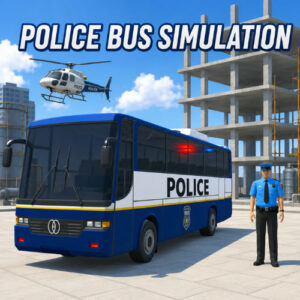 Police Bus Simulation
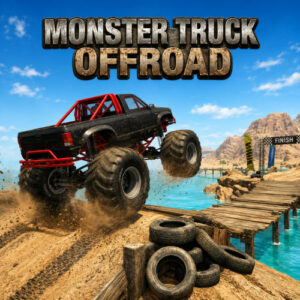 Monster Truck Offroad
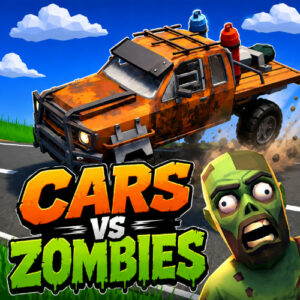 Cars vs Zombies
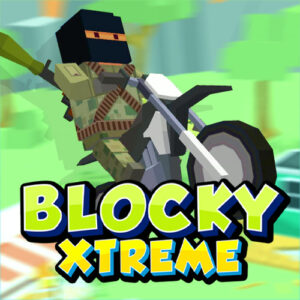 Blocky Xtreme
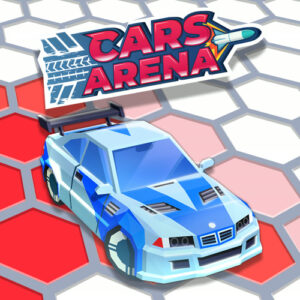 Cars Arena
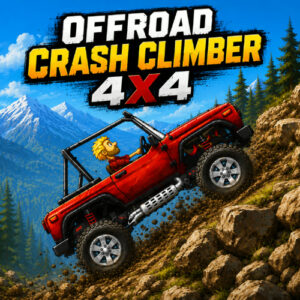 Offroad Crash Climber 4X4
 Good to Drive
 Wild Drift on the BMW M5 F90
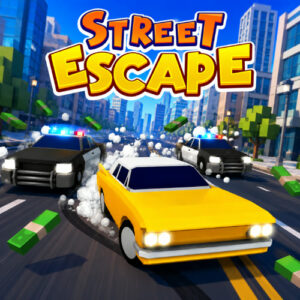 Street Escape
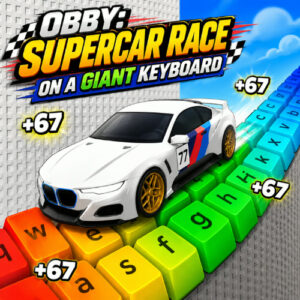 Obby: Supercar Race on a Giant Keyboard
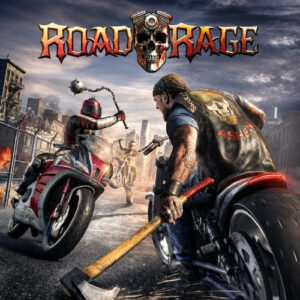 Road Rage
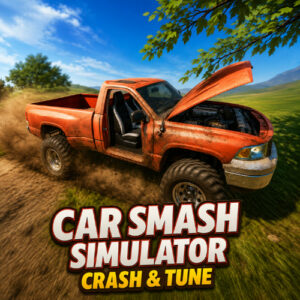 Car Smash Simulator: Crash & Tune
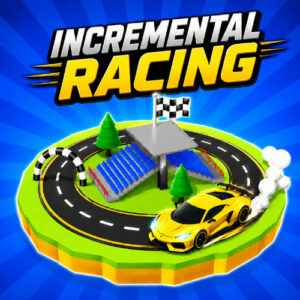 Incremental Racing
 Racing Pop
 Rapid Rally
 Drift City
 Turbo Flip
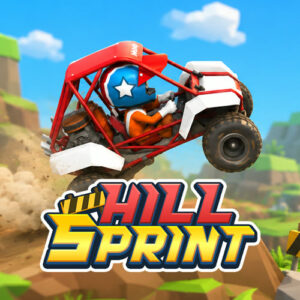 Hill Sprint
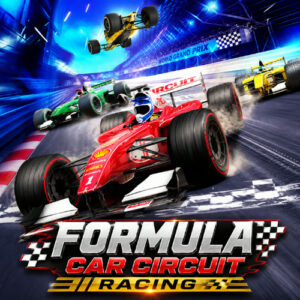 Formula Car Circuit Racing
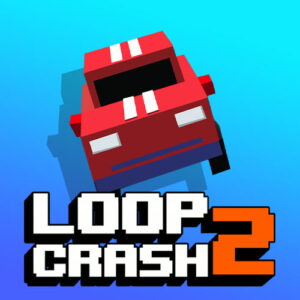 Loop Crash 2
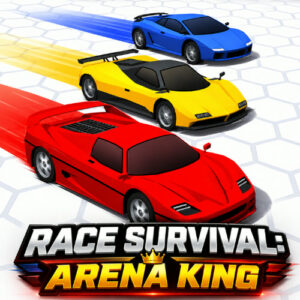 Race Survival: Arena King
 BMG: Ragdoll Car Race
 Bus Driving Master 3D
 Car Push Driving
 Parking Adventure
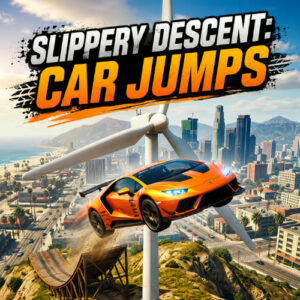 Slippery Descent: Car Jumps
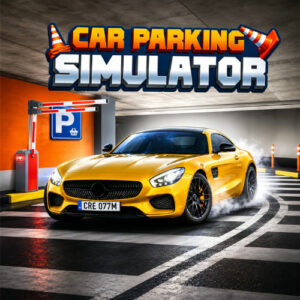 Car Parking Simulator
 Pato Vs Cops
 Deform Your Car
 Racing: Online!
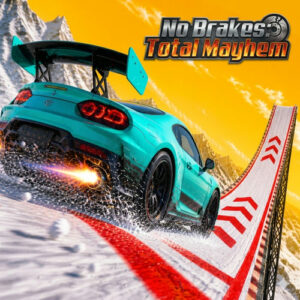 No Brakes: Total Mayhem
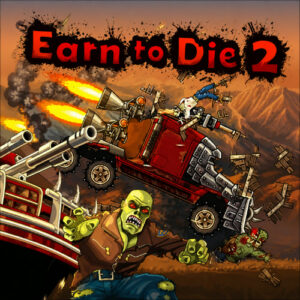 Earn to Die 2
 My Car My Rules
 Real Racing Formula 1
 Drift Frenzy
 Two RX7 Drifters
 Vex X3M 3
 Drive Quest
 Arcade Glide
 Drift Rush
 Formula Car Racing Game
 Drift Master 3D
 Retro Rush
 Bus Simulator: EVO
 Ben Car Adventure
 Old School Rally
 Police Simulator
 Max Speed
 Driving School Simulator
 Deadly Descent