 Oh My Goth
What Are Dress up Games?
Dress up games center on styling characters through clothing, accessories, hairstyles, and often makeup or themed props. The appeal is straightforward, but the format supports a wide range of play styles. Some dress up games are built around a single character and a flexible wardrobe, while others add social themes, relationship dynamics, or a specific aesthetic direction that shapes every choice. In the Dress up category, the player is usually arranging an image, building a look, or making style decisions that fit a defined mood.
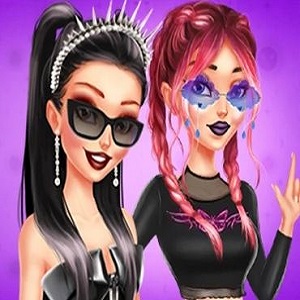
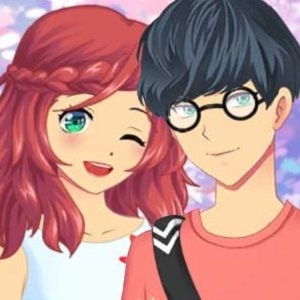
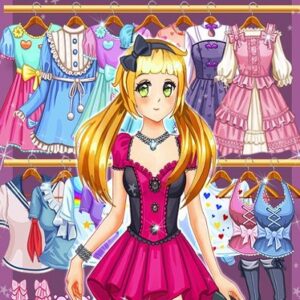
The games in this category tend to reward visual judgment more than speed. The challenge is not usually about winning a match or clearing a stage, but about matching pieces, balancing colors, and deciding what kind of identity the character should project. That can mean cute and polished styling in Anime Kawaii Dress Up, a more coordinated pair look in Anime Couple Dress Up, or something darker and attitude-driven in Oh My Goth. Even when the setup is simple, the variety of fashion themes gives the category a broad range.
Style Choices Shape the Whole Experience
One of the defining traits of dress up games is that they turn personal taste into the main mechanic. Anime Kawaii Dress Up leans into soft, decorative styling, where the visual language is built around charm and sweetness. That kind of design usually invites careful color matching and accessory selection, with the player trying to keep the final look coherent. Anime Couple Dress Up uses a similar styling framework, but it changes the goal by asking for coordination between two characters instead of one. The result is less about isolated outfits and more about visual harmony.
That shift matters because it changes how the player thinks. A single-character game can focus on one signature look, while a couple-based format introduces balance, contrast, and shared themes. One character may need to complement the other without copying them exactly. That makes Anime Couple Dress Up feel closer to styling a set than styling a person. In both games, the core pleasure comes from arranging details until the character design feels intentional rather than random.
Different Aesthetic Directions Keep the Category Broad
Dress up games are often grouped together, but the supplied games show how far apart they can be in tone. Oh My Goth moves away from cute styling and into darker fashion territory. Instead of soft pastels and playful decoration, the focus is on a moodier visual identity. That gives the category more range than a casual glance suggests. A player who prefers bold, dramatic styling will approach Oh My Goth differently from someone drawn to the lighter look of Anime Kawaii Dress Up.
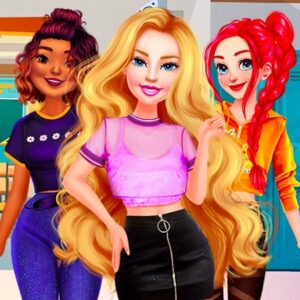
Highschool Mean Girls 2 adds another layer by linking fashion to school drama and social identity. That kind of premise changes dress up from a neutral styling activity into something more character-driven. Outfits are not just decorative; they suggest popularity, confidence, attitude, or rivalry. This is a common strength of dress up games: the clothing choices communicate personality even when the underlying mechanics stay simple. The style is the story.
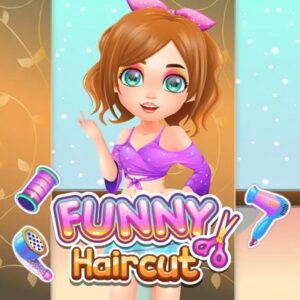
Funny Haircut broadens the topic further by putting more attention on hair design and transformation. Hair-focused games often play differently from full wardrobe styling because the player is working with a more specific visual target. A haircut can completely change a character’s appearance, and that makes the process feel more immediate. Compared with outfit-heavy titles, Funny Haircut emphasizes shape, texture, and the visual effect of a makeover step by step.
Common Gameplay Patterns Across Dress up Games
Although the themes differ, the structure of these games shares a few clear patterns. Players usually start with a character and a selection of customization options. From there, the task is to assemble a look that fits the game’s tone, whether that means adorable anime styling, gothic fashion, or a school-focused makeover. The process is usually exploratory, with room to try different combinations until the final appearance feels right.
That open-ended structure is why the category attracts different kinds of players. Some approach it like visual puzzle solving, comparing how different pieces work together. Others treat it as a creative sandbox. A game like Anime Kawaii Dress Up encourages experimentation within a tightly defined aesthetic, while Highschool Mean Girls 2 suggests more personality-based styling choices. In each case, the player is making decisions that are less about mechanical mastery and more about presentation.
- Outfit selection is the central activity in most Dress up games.
- Theme matching matters when the game asks for a specific look, such as kawaii, goth, or school fashion.
- Hair and accessory choices often change the entire feel of a character design.
- Pair styling, as seen in Anime Couple Dress Up, adds coordination and contrast.
- Makeover-style progression, suggested by Funny Haircut, focuses on transformation rather than static fashion alone.
Games That Show the Range of the Topic
The supplied lineup does a good job of showing that Dress up is not a single aesthetic. Anime Kawaii Dress Up and Anime Couple Dress Up share an anime-inspired visual language, but they solve different styling problems. One is about creating a charming individual look, while the other emphasizes matching two characters in a way that still feels distinct. That distinction is important because it reveals how even similar games can create different kinds of creativity.
Oh My Goth and Highschool Mean Girls 2 sit on a different branch of the category. Both use fashion to express personality, but they do so through very different social tones. Oh My Goth is built around darker style cues, while Highschool Mean Girls 2 leans into confidence and status-driven presentation. They show that dress up games are often about identity as much as clothing. The player is not simply choosing items; the player is shaping how a character is perceived.
Funny Haircut fills a more transformation-focused role in the category. Instead of treating style as a static wardrobe composition, it highlights the effect of changing one visible feature. That kind of game usually appeals to players who enjoy before-and-after contrast and the sense that a small decision can dramatically alter the final image. It also pairs well with the broader dress up format, where hair, face, and clothing all contribute to the same finished result.
Why Dress up Games Stay Popular
The category works because it gives players clear goals without forcing a single correct answer. A dress up game can be as simple as building a cute look in Anime Kawaii Dress Up or as layered as coordinating a couple’s style in Anime Couple Dress Up. That flexibility keeps the format approachable for beginners, while still leaving room for more deliberate styling from players who enjoy refining details.
There is also a strong appeal in how quickly these games communicate results. A change in hairstyle, an accessory swap, or a different color palette can immediately alter the mood of the character. In Oh My Goth, that can shift the whole look toward a sharper aesthetic. In Highschool Mean Girls 2, it can help define a social image. In Funny Haircut, it turns the focus onto transformation itself. The feedback is visual and direct, which suits the genre well.
What stands out across these Dress up games is the way they turn fashion into a set of readable gameplay decisions. The player is not managing complex systems, but there is still structure in the choices. Matching, contrast, theme, and character identity all matter. That combination keeps the category varied enough to support very different styles of play, from lighthearted anime customization to darker or more personality-focused makeover setups.