What Are Puzzle Games?
Puzzle games are built around problem-solving. Some ask for pattern recognition, some ask for spatial reasoning, and others rely on timing, logic, or careful planning. In the Puzzle category, the common thread is not a single mechanic but a shared goal: understanding a system well enough to complete a task with limited moves, limited information, or a strict set of rules.
The games in this collection show how broad puzzle design can be. Cut the Rope is centered on physics and sequence planning, Blue Game and Red Game use color-driven logic, Cups – Water Sort Puzzle focuses on sorting and constraint management, and Tentrix and Block Champ turn placement into a test of board control. Then there are curveballs like Trollface Quest Sports and Trollface: Quest Horror 2, which twist puzzle logic into absurd, often deceptive solutions. Together, they show that puzzle games can be tidy and mathematical, playful and experimental, or deliberately unpredictable.
Logic, Pattern Recognition, and Board Control
A large part of this category is made up of games that reward careful observation. Tentrix and Block Champ both ask players to place shapes in a way that keeps the board open for future moves. That creates a familiar puzzle tension: each decision matters now, but it also affects the possibilities several turns later. Games like these appeal to players who enjoy planning ahead and managing space efficiently.
Chuzzle works from a different angle, but the same logic-based mindset still applies. Instead of fitting pieces into open space, the challenge comes from matching and rearranging colorful tiles with attention to layout and chain reactions. World Wars 2 also fits this broader pattern of strategic puzzle play, where the player is making decisions that affect a larger system rather than solving a single isolated trick.
Blackjack is an interesting inclusion because it brings a more rules-driven form of puzzle thinking to the category. The focus is on judgment, probability, and knowing when to stop rather than on visual placement or object manipulation. It broadens the Puzzle page beyond classic board-style play and shows how decision-making alone can be the core challenge.
Physics, Motion, and Cause-and-Effect
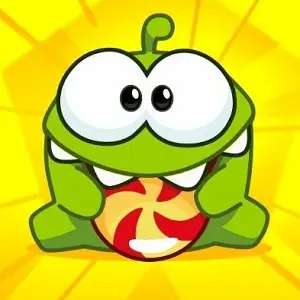
Some of the strongest puzzle games here depend on understanding how movement works. Cut the Rope is the clearest example, since the entire structure revolves around interacting with ropes, gravity, and timing so that the candy reaches the right place. It is not only about what to cut, but when and in what order. That kind of sequencing turns a simple idea into a layered puzzle.
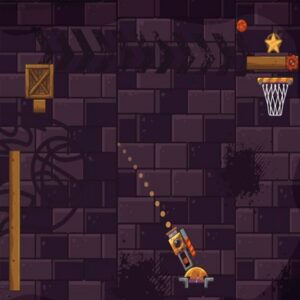
Cannon Basketball uses a similar cause-and-effect mindset, though with a different visual identity. Rather than arranging pieces on a grid, the player has to think about trajectory and the way a launched object interacts with the environment. Frog Rush also leans into motion-based problem solving, showing that some puzzle games are less about static arrangement and more about directing movement through a space.
These games tend to attract players who like practical experimentation. A failed attempt is often useful because it reveals how the system behaves. The challenge comes from converting observation into better execution on the next try.
Sorting, Matching, and Color-Based Challenges
The Puzzle category also includes games that revolve around order and categorization. Cups – Water Sort Puzzle is built entirely around separating colors into organized stacks, and the appeal comes from turning clutter into structure. It is a good example of how a simple rule set can create a surprising amount of depth. At first, the goal looks straightforward, but each move changes what remains possible, so efficiency matters.
Blue Game, Red Game, and Black-and-white style titles such as Black Game aren’t just about color for decoration; color itself becomes part of the rule system. That can mean matching by color, navigating color-coded obstacles, or understanding how a palette defines the puzzle space. The attraction here is clarity. The player can read the challenge quickly, but solving it still requires patience and precision.
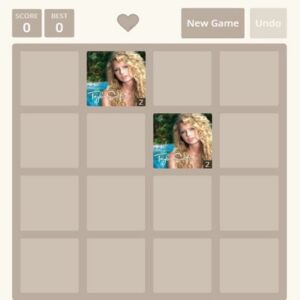
Taylor Swift 2048 fits into the merging-puzzle tradition, where pieces combine to form higher-value outcomes. The structure is familiar, but the appeal lies in controlling the board and making the right merges in the right order. Like other sort-and-combine games, it rewards forward thinking more than quick reflexes.
Creative Systems and Build-Up Progression
Not every puzzle in this category is about a single screen or a fixed arrangement. Grow Tower and Alchemy both suggest progression through combination, layering, and development. Alchemy in particular points to a type of puzzle where experimentation creates new outcomes, and the fun comes from discovering relationships between elements. That style of play often gives players a sense of building knowledge over time, not just clearing levels.
Home Design: Decorate House and Customize BMW I8 move puzzle thinking into a more creative direction. Rather than solving for a board state, the player is making design choices and working within constraints. In these games, the puzzle is often about composition, selection, and achieving a satisfying result from available options. They are not abstract logic exercises, but they still depend on judgment and structure.
This side of the category broadens the definition of puzzle play. Some games ask, “What move solves the level?” while others ask, “What arrangement works best?” Both rely on problem-solving, but the second type is often more open-ended and self-directed.
Humor, Trick Solutions, and Unexpected Rules
Trollface Quest Sports and Trollface: Quest Horror 2 stand apart from cleaner logic puzzles because they deliberately play with expectation. Instead of rewarding standard reasoning alone, they often require players to think around the obvious answer, question the setup, or try actions that would seem incorrect in a traditional puzzle game. That makes them closer to prank puzzles than to pure deduction challenges.
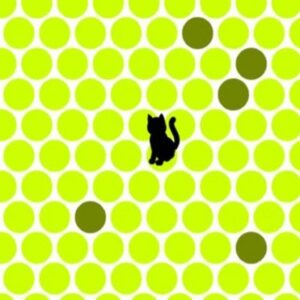
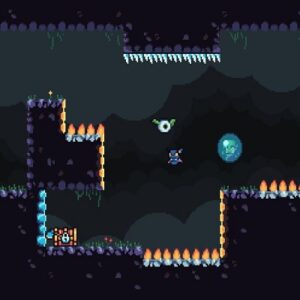
Chat Noir and Choppy Orc also reflect this more idiosyncratic side of puzzle design. These games often depend on unusual movement rules, obstructive layouts, or compact problem spaces that require reading the level carefully. The challenge is not always difficulty in the conventional sense. Sometimes it is about recognizing that the game’s logic is slightly stranger than expected.
That unpredictability gives this category a wider personality. Some puzzle players want clean systems; others enjoy being surprised by the way a game bends its own rules.
What Kind of Puzzle Player Does Each Style Suit?
There is a strong split in this category between methodical and improvisational puzzle design. Tentrix, Block Champ, Cups – Water Sort Puzzle, and Taylor Swift 2048 suit players who like visible systems and gradual optimization. Cut the Rope and Cannon Basketball appeal to those who prefer timing, motion, and physics. Trollface Quest Sports and Trollface: Quest Horror 2 are better for players who enjoy experimentation and unexpected solutions.
That variety helps explain why puzzle games remain so broad. A player looking for a calm, thoughtful session may spend time with Blue Game or Grow Tower. Someone interested in tighter spatial reasoning may prefer Chuzzle or Frog Rush. Players who like a more playful or misleading style may gravitate toward the Trollface games. The category does not rely on one skill set; it supports several.
FAQ
Are Puzzle games only about matching tiles?
No. This category includes sorting games, physics challenges, board-placement games, logic puzzles, trick-based adventures, and even design-focused titles like Home Design: Decorate House.
Do Puzzle games always get harder in the same way?
Not really. Some become more demanding through tighter space management, while others add complexity through timing, deception, or larger decision trees.
What makes a good starting point for new players?
Games with clear rules and visible feedback, such as Cut the Rope, Cups – Water Sort Puzzle, or Block Champ, are usually easier to learn before moving into more unusual titles like Trollface Quest Sports.
 Pool Mania
 ParkOut: Traffic Escape
 Arrow Puzzle
 Color Block Jam
 Block Blast
 Cyber Arrows: Brain Puzzle Game
 WorldGuessr
 Planet Merge
 Mine Quest Daily
 Royal Pin
 Dig out of Prison
 Mahjongg Solitaire
 Primary
 Find The Difference
 10×10
10×10
 Cut the Rope 2
 Pull The Pins
 Dominoes Classic
 Wood Blocks
 Spot the Difference
 Cut the Rope
 Blue Game
 Cannon Basketball
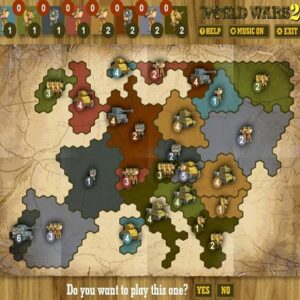 World Wars 2
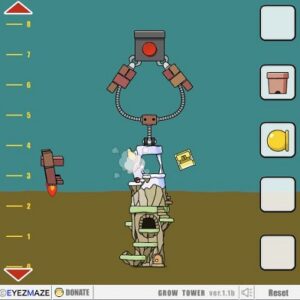 Grow Tower
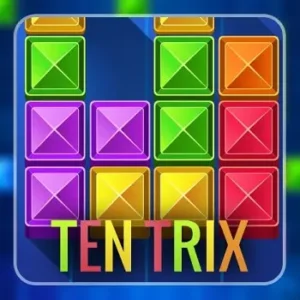 Tentrix
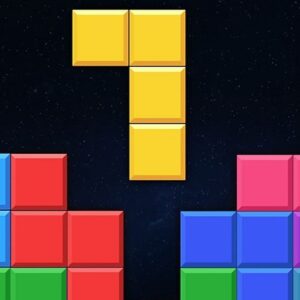 Block Champ
 Chuzzle
 Red Game
 Blackjack
 Cups – Water Sort Puzzle
 Frog Rush
 Trollface Quest Sports
 Alchemy
 Trollface: Quest Horror 2
 Customize BMW I8
 Taylor Swift 2048
 Home Design: Decorate House
 Chat Noir
 Choppy Orc
 Disney Wordle
 Pointer
 Xor
Xor
 A Dark Room
 Google Memory Game
 City Guesser
 The Mage
 Letters Boxed
 Icy Purple Head
 Spider Solitaire 2 Suits