Avoiding Collisions, Hazards, and Bad Lines
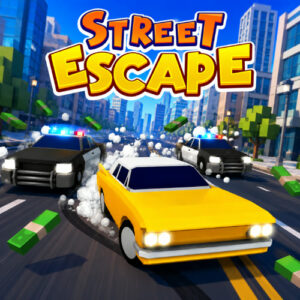
The Avoid tag gathers games built around one clear pressure: stay alive by not touching the wrong thing. In Car Push Driving, Road Rage, and Offroad Crash Climber 4X4, that can mean steering a vehicle through tight spaces, keeping momentum under control, and reading traffic or terrain before it becomes a problem. In Stealth Master and Street Escape, avoidance becomes more tactical, with movement shaped by sightlines, patrol routes, and timing. Other games push the same idea into faster arcade formats, such as Zombie Dash, Tap Road 2, and Shape Rush, where survival depends on quick corrections and pattern recognition.
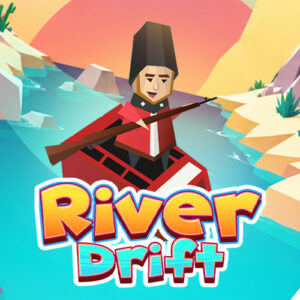
What unites this collection is not one genre but one discipline: reacting before contact happens. The best runs come from anticipating danger rather than recovering from it. That is why avoid games often feel sharper than they look. A simple lane switch in Good to Drive or a tiny drift adjustment in Drift City can matter as much as a larger maneuver in River Drift or Car Loop. The player is constantly making small decisions that prevent larger failures.
Movement Is the Main Skill
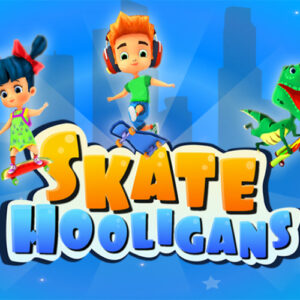
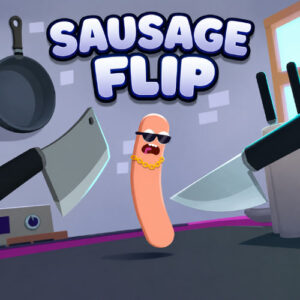
Many of these games reduce the rules to a pure movement test. Sphere Rush, Stack Ball 3D, and Sausage Flip all ask players to judge motion carefully, whether that means rolling, dropping, or launching with enough control to avoid a bad landing. Fish Dive and Skate Hooligans use the same principle in different settings: the path is never fully safe, so success comes from reading the course rather than forcing speed.
The appeal lies in how readable the challenge can be. Players usually understand the objective immediately, but the execution becomes difficult when obstacles arrive in layered patterns. Pixel Path and Loop Crash 2 are good examples of this kind of design, where the course itself becomes a puzzle about safe lines, timing windows, and whether to commit or hold back. In avoid games, movement is rarely just travel; it is the entire decision-making system.
Loops, Lanes, and Route Reading
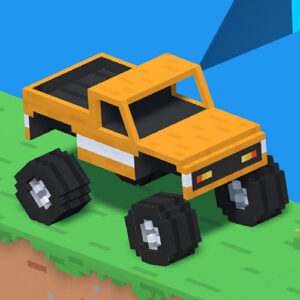
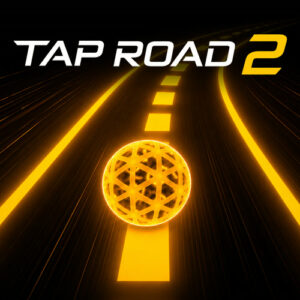
A noticeable number of the games in this tag are built around repeating paths or structured routes. Car Loop and Loop Crash 2 turn circular motion into a test of awareness, since danger often comes from intersections, overlaps, or incoming traffic rather than from open-ended exploration. Tap Road 2 and Good to Drive lean more on lane changes and forward momentum, while Street Escape and Zombie Dash create pressure through the need to keep moving without drifting into a mistake.
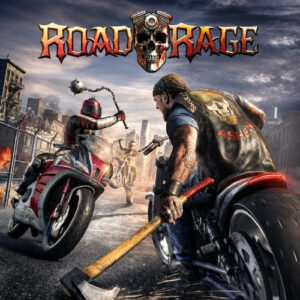
This route-based design changes how players think. Instead of planning long-term strategies, they watch the next few seconds very closely. That is especially true in Car Push Driving and Road Rage, where positioning can be more important than raw speed. The challenge is not only avoiding walls or enemies but also choosing the safest lane, angle, or turn before the opportunity disappears.
Risk and Recovery Stay Close Together
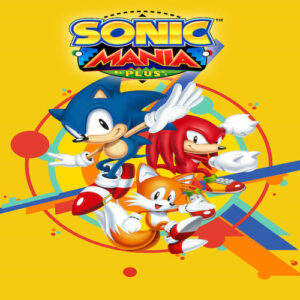
Some avoid games reward aggressive play even though the core rule is caution. Sonic Mania Plus brings high-speed platforming into the conversation, where fast movement creates both opportunity and danger. Drift City and River Drift also sit in that space between control and overcommitment. The player often has to push forward to maintain pace, but pushing too hard creates the very collisions the tag is meant to avoid.
That tension gives these games a strong retry loop. A failed run usually feels understandable, because the mistake happened at the exact moment the player chose a line, angle, or burst of speed. Offroad Crash Climber 4X4 and Car Push Driving are especially clear about this relationship between momentum and error: progress depends on moving with confidence, but not so much confidence that the route becomes impossible to correct.
Why the Tag Attracts Different Kinds of Players
The Avoid tag appeals to more than one kind of player. Some want short, readable sessions where success depends on reflexes, as in Shape Rush or Sphere Rush. Others enjoy route optimization and control under pressure, which is where Pixel Path, Street Escape, and Stealth Master fit in. A different group is drawn to vehicle handling and drifting systems, making Drift City, Good to Drive, and Road Rage natural entries.
Despite the variety, the same satisfaction runs through the tag: surviving because of discipline. Whether the game uses cars, runners, stealth movement, or simple falling-and-landing physics, the player is rewarded for reading danger early and keeping control long enough for the next safe opening to appear.
 Vex 9
Vex 9
 ScaleMan 3D
 Hyper Wave Challenge
 Jetski Race
 Aqua Bits
 Tallman Run
 Digit Shooter
 Cars Arena
 Pixel Path
 Stack Ball 3D
 Sphere Rush
 Offroad Crash Climber 4X4
 Fish Dive
 River Drift
 Sonic Mania Plus
 Skate Hooligans
 Sausage Flip
 Good to Drive
 Street Escape
 Tap Road 2
 Road Rage
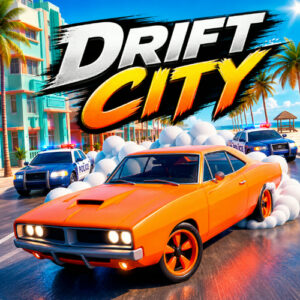 Drift City
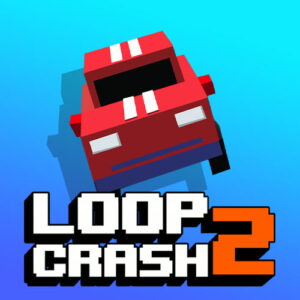 Loop Crash 2
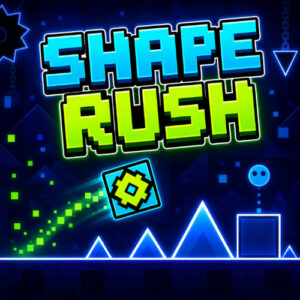 Shape Rush
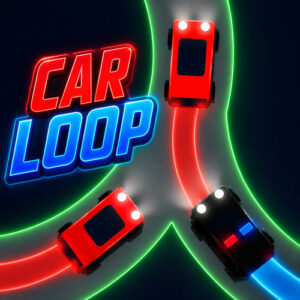 Car Loop
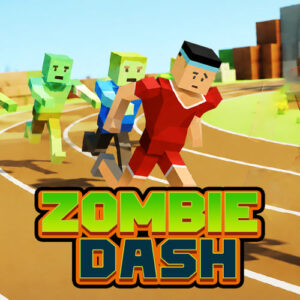 Zombie Dash
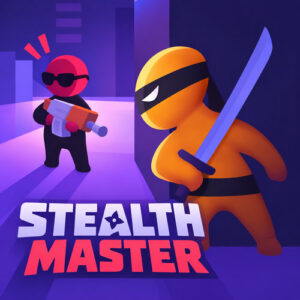 Stealth Master
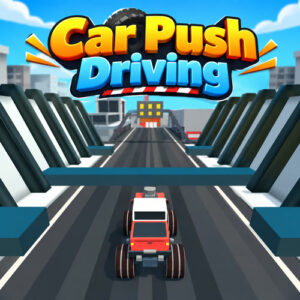 Car Push Driving
 Blocky Runner
 Neon Rush
 Ball Breaker
 +1 Speed Keyboard Escape
 Skate Dash
 Stumble Race
 Pato Vs Cops
 Birdie Bop
 Soyjak Siege
 Run And Jump For Brainrot
 Speed Slope
 Drift Frenzy
 Mine Quest Daily
 Wurst Dash
 Short Life 2
 Rotate Rush
 Rooster Road
 Arcade Glide
 Color Surfer
 Track Dash
 Cheat or Repeat
 Draw Action