Multiplayer Games Built Around Shared Competition
The Multiplayer tag gathers games that are shaped by the presence of other people, whether that means direct competition, co-op-style pressure, or simply sharing the same ruleset with live opponents. The games in this group vary widely in pace and genre, but they all rely on the same core idea: every decision matters more when another player can respond to it. Worms Zone, Repuls.io, Air Wars 3, and Mini Golf Club all treat movement and timing as live contests, while Classic Backgammon, Poker With Friends, and Governor of Poker 3 lean into turn-based tension, bluffing, and control. Even games that are not built around direct head-to-head conflict, such as Genshin Impact and RAID: Shadow Legends, still fit the tag through shared party systems, progression, and interaction between players.
What stands out most is the variety of player motivation. Some games ask for reflexes and spatial awareness, others for patience and prediction. Rush Team and Stunt Simulator Multiplayer emphasize fast reactions and improvisation, while Flags Quiz and Classic Backgammon reward knowledge, memory, and tactical discipline. That mix makes the tag useful for players who want anything from quick sessions to longer competitive climbs.
Real-Time Action Depends on Positioning and Timing
Games like Repuls.io, Rush Team, Superhero.io, and Air Wars 3 center on reacting to moving opponents in real time. In these games, success is rarely about one dramatic move. It usually comes from small advantages stacked over several moments: holding better ground, committing to an attack at the right instant, or escaping before a stronger player closes the gap. Castlesiege.io and TheLast.io follow a similar logic, using survival pressure and changing battle spaces to keep players alert.
Worms Zone and Worms Io show another side of this format. Rather than relying on raw speed alone, they reward route planning and controlled aggression. Movement becomes a tool for both offense and survival, which is why these games often feel tense even when the controls are simple.
Strategy Games in This Tag Reward Patience More Than Speed
Turn-based and board-style multiplayer titles create a different kind of pressure. Classic Backgammon turns each roll into a decision about risk, blocking, and forward progress. Poker With Friends and Governor of Poker 3 build competition around incomplete information, where reading opponents matters as much as the cards themselves. The pace is slower, but the mental load is high because each action has lasting consequences.
This slower competitive style also appears in Flags Quiz, where multiplayer tension comes from recall rather than reflex. The format changes, but the basic appeal is similar: players want a game that measures judgment, not just execution.
Progression Systems Give Multiplayer a Longer Arc
Several games in the tag use multiplayer as part of a broader growth loop instead of a single match format. Genshin Impact and RAID: Shadow Legends both rely on character development, team composition, and repeat play over time. That creates a different relationship with multiplayer because the player is not only trying to win the next encounter, but also build a stronger account for future ones.
Dragon World follows the same general pattern of long-term collection and advancement, while Superhero.io and Narwhale.io keep progression lighter and more immediate. In both cases, the multiplayer layer gives meaning to growth: stronger characters, better tools, or improved control translate into a visible edge against other players.
Skill Expression Takes Different Forms Across the Tag
The tag is not defined by one kind of skill. In Mini Golf Club and Stunt Simulator Multiplayer, precision and physical control matter most. In Repuls.io and Air Wars 3, the crucial skill is reading movement under pressure. In Poker With Friends, the important ability is restraint, because overcommitting can be more costly than waiting. Flags Quiz measures memory, while Classic Backgammon tests risk assessment.
That range explains why the Multiplayer tag attracts such a broad audience. Some players want a direct contest where mechanics are tested frame by frame. Others prefer games where the advantage comes from planning, probability, or accumulated knowledge.
Lighthearted Competition Sits Beside Heavier Battles
Not every multiplayer game in this tag is built around intensity. Worms Zone, Narwhale.io, and Mini Golf Club are easier to enter because they keep rules clear and objectives simple. The challenge comes from competing with others inside a familiar structure, which makes them approachable without becoming shallow. Even BlockTanks.io and Castlesiege.io keep their appeal tied to readable action and short-term goals.
This range matters because it shows how multiplayer design can fit both casual and committed play. Some games are ideal for short rounds and quick rematches. Others, like Genshin Impact, RAID: Shadow Legends, and Governor of Poker 3, support a more sustained relationship with the game world and its player base.
Competition, Cooperation, and Shared Rules
Even when the genres differ, the Multiplayer tag consistently rewards players for understanding other human behavior. That applies to direct combat in Rush Team and Repuls.io, to turn-based mind games in Poker With Friends, and to knowledge challenges in Flags Quiz. It also applies to broader systems like party building in Genshin Impact or account progression in RAID: Shadow Legends, where player choices are shaped by long-term comparison with others.
Because of that, multiplayer games tend to emphasize adaptation. A strong strategy in one match may fail in the next if opponents change their approach, which is part of what keeps the tag varied across action, strategy, board games, and collection-based systems.
 1v1.Lol
 Urban Ops
 Pogo Masters
 Flags Quiz
 BikeBrainrots.io
 Steal a Brainrot Online
 WorldGuessr
 Tennis Masters 2026
 Kirka.io
 Overtide.io
 Blobade
 Mine – Online
 Flip Duel
 Mine Blade Online Kit PvP
 Baseball Bros IO
 SpeedEscape.io
 Meccha Chameleon
 Kick Lucky Blocks Online
 Beast Clash
 Hazmob FPS
 Racing: Online!
 KS Z
KS Z
 Meeland.io
 Wrestle Bros
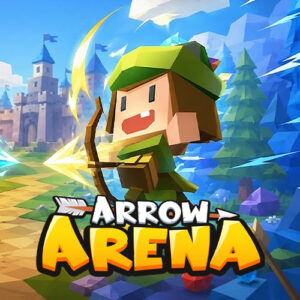 Arrow Arena
 World Cup Soccer Caps
 Fragen
 PaperWar.io
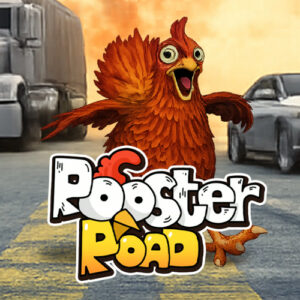 Rooster Road
 Drift Rush
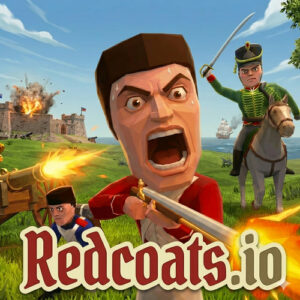 Redcoats.io
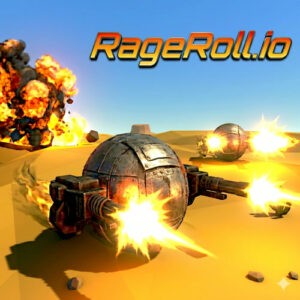 RageRoll.io
 FallZone.io
 Driving School Simulator
 Hole Arena
 Rivals FPS: Online Shooter
 EmberQuest.io
 Soccer Legends 2026
 Ragdoll Archers
 Brawl Stars
 Kart Bros
 EscapeWaves.io
 Poxel.io
 EscapeLava.io
 Football Bros
 2v2.io
 Grow a Garden
 Garden Horizons
 Knockout
 GeoGuessr