Mouse Games Built Around Pointer Control and Quick Input
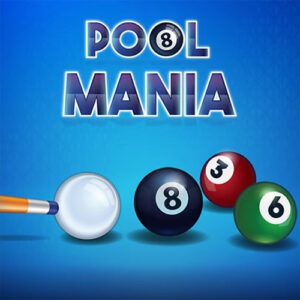
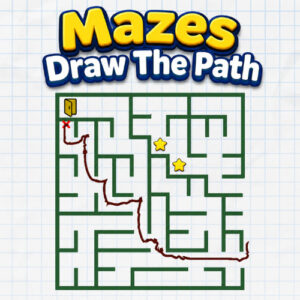
The Mouse tag brings together browser games that depend on pointer precision, fast clicking, drag-and-drop control, and simple gestures rather than complex input. That pattern shows up across a wide range of games here, from the drawing focus of Mazes Draw The Path and Paint Hide and Seek to the click-driven structure of Idle Vlogger Simulator and Trump Clicker. Even action-heavy titles such as Bowmasters Archery Shooting and Pool Mania lean on mouse aiming in a way that keeps the controls easy to read but still skill-based.
What ties the tag together is not genre alone, but the way the mouse becomes the main tool for solving problems. Some games ask for quick reactions, some reward careful lining up, and others turn the pointer into a planning tool for movement or placement. That creates a collection where the input style matters as much as the objective.
Aiming, Trajectory, and the Satisfaction of a Clean Shot
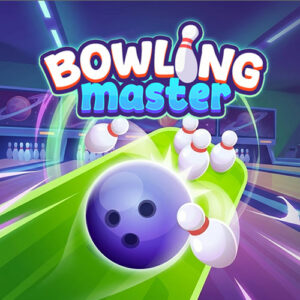
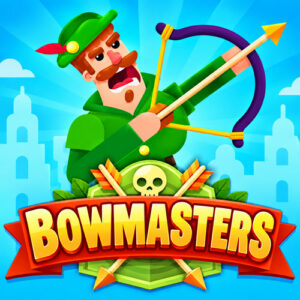
Several games in this tag revolve around aiming with precision, and that includes more than obvious shooting games. Bowmasters Archery Shooting depends on angle and power control, while Bowling Master and Pool Mania turn mouse motion into distance, direction, and shot selection. Car Push Driving and Stumble Race also use pointer control to guide movement through spaces where timing matters as much as placement.
These games tend to reward the same habits: reading distance, making small corrections, and understanding how motion carries forward. A slight adjustment can change a shot from a miss to a hit, which gives mouse control a strong tactile role even in lightweight games.
Drawing, Tracing, and Route Planning Under Pressure
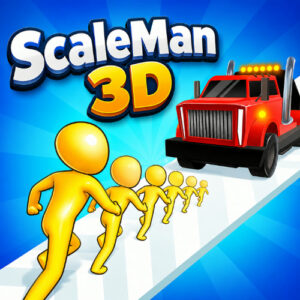
A different group uses the mouse as a drawing or path-setting tool. Mazes Draw The Path is the clearest example, but the same basic idea appears in Rust & Rope and parts of ScaleMan 3D, where the player is effectively managing movement through guided input. Aqua Bits and Sphere Rush lean into path sensitivity as well, asking for steering that feels simple on paper but gets harder once speed and obstacles enter the picture.
These games appeal because they turn the mouse into a direct extension of planning. The challenge is rarely about memorizing rules. It is about drawing the right line, preserving momentum, and avoiding unnecessary corrections. That makes them easy to start and surprisingly exacting once the pace rises.
Hidden Information and Placement-Based Play
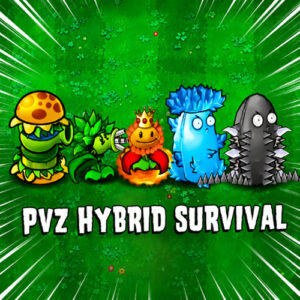
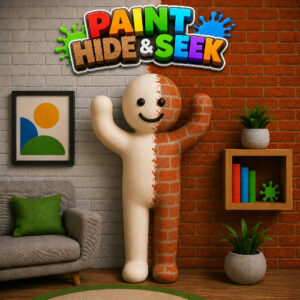
Not every mouse game is about speed. Hidden Objects: Island Secrets uses point-and-click observation, where the main task is to identify details in a crowded scene. Paint Hide and Seek combines that kind of attention with spatial awareness, since the player has to interpret where things belong or where someone might be concealed. Block Blast Unblocked and Plants vs Zombies Hybrids fit this pattern from another angle, since both involve placing pieces or units in ways that create order from cluttered boards.
That makes the tag attractive to players who prefer analysis over reflexes. The mouse is especially suited to these games because it supports scanning, selecting, and repositioning with minimal friction. Small interface choices matter here: the best outcomes often come from seeing the board clearly and acting cleanly.
Idle Systems, Click Loops, and Incremental Growth
The collection also includes games built around repetition and accumulation. Idle Vlogger Simulator and Trump Clicker are straightforward examples of mouse-driven progression, where frequent input drives upgrades, rewards, or momentum. Even when the action is light, the player still feels the rhythm of improvement through repeated clicks and unlocking new layers of progress.
What distinguishes these games from skill-based mouse titles is the role of patience. Success comes from making efficient choices, returning for upgrades, and letting small actions compound. The mouse becomes less about precision and more about pacing the loop.
Playful Competition and Shortcut Decisions
Some titles in the tag use mouse input to support competitive or reaction-based play. Boys vs Girls, Sausage Flip, Stumble Race, and Soyjak Siege all suggest games where quick decisions, timing, and adapting to unpredictable situations matter more than long-term planning. ScaleMan 3D also fits this side of the tag, since its appeal comes from choosing when to alter movement and when to keep going through the course.
These games usually work best because the mouse lowers the barrier to entry. A simple click or drag can still produce enough depth for movement challenges, race scenarios, or light combat. That balance keeps the collection approachable while still leaving room for players who want sharper execution.
Coloring, Casual Tools, and Low-Stress Interaction
At the gentler end of the tag, Haaland Coloring Book shows how mouse control supports relaxed, task-based play. Coloring games are fundamentally about selection and filling, which makes them a natural fit for pointer input. They sit comfortably alongside the more structured games in the tag because they use the same basic interface language, just without the pressure of aiming or timing.
That contrast is part of the tag’s appeal. A mouse can support high-focus challenges like Bowmasters Archery Shooting or quieter activities like coloring and object finding, all without changing the core control scheme.
 ScaleMan 3D
 Plants vs Zombies
 Bowling Master
 Hidden Objects: Island
 Pool Mania
 Aqua Bits
 Gin Rummy Online
 Block Blast
 Haaland Coloring Book
 Sphere Rush
 Paint Hide and
 Sausage Flip
 Idle Vlogger Simulator
 Boys vs Girls
 Car Push Driving
 Bowmasters Archery Shooting
 Mazes Draw The
 Stumble Race
 Rust & Rope
 Soyjak Siege
 Trump Clicker
 Diddy Clicker
 Poop Away
 Screw Masters 3D
 World Cup Soccer
 Mine Quest Daily
 Royal Pin
 PaperWar.io
 Fish Quest
 Operation Epic Furious:
 Draw Action
 Ship Smasher
 Horse Magnifier
 Scritchy Scratchy
 Monster Squad Rush
 Ragdoll Launcher
 BLOODMONEY!
 Doodle Baseball
 Bottle Hop
 Lift Off
 Block Blast
 9 Ball Pool
 Five Nights at
 Knife Master
 Trap The Cat
 Skip It!
 Five Nights at
 Crunch Lock
 Get Yoked
 Space Waves
 Sorry Bob
 Orbit Rush
 Plants Vs Zombies
 That’s Not My
 Clash of Vikings
 Five Nights at
 Pereelous
 Pizza Clicker Online
 Squid Game
 Airport Security
 Golf Puzzle
 Neon Leap
 Curve Rush 2
 Five Nights at
 Italian Brainrot Clicker
 Bucket Smash
 Tap Drift
 Orbit Kick
 Fun Clicker
 Wacky Flip
 Golf Hit
 Chill Guy Clicker
 Slap Champions
 Glide In
 Mahjongg Solitaire
 Cubes 2048.io
 Candy Clicker 2
 Find The Difference
 GunSpin
 Dumb Ways to
 Whack Your Ex
 Capybara Clicker
 Gold Miner Special
 Penguin Diner 2
 Cut the Rope
 Ping Pong
 A Small World
 Desktop Tower Defense
 Wood Blocks