Obstacle Games Turn Simple Paths Into Constant Tests
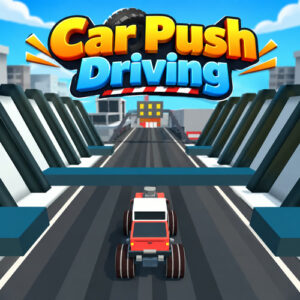
The Obstacle tag brings together games where the route matters as much as the finish line. Success depends on reading the space ahead, reacting to traps or moving hazards, and keeping momentum without losing control. That can mean threading a vehicle through a crowded course in Car Push Driving, escaping danger in Zombie Dash, or handling the rapid pace shifts in Shape Rush. Even when the presentation changes from parkour to driving to arcade reflex play, the underlying pattern stays consistent: the obstacle itself is the main opponent.
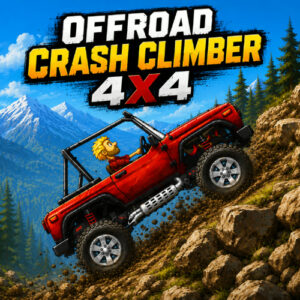
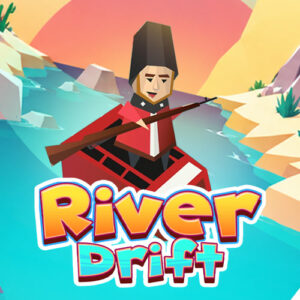
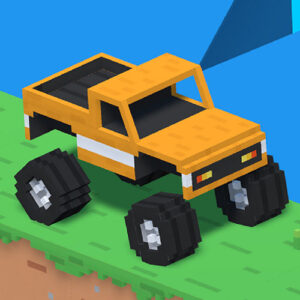
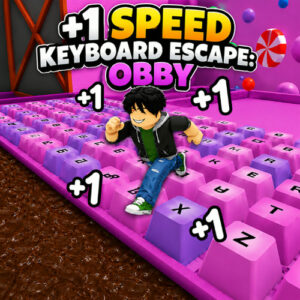
What makes this tag distinctive is the way it blends precision with improvisation. Some games ask for exact movement across narrow platforms, while others layer in physics, speed boosts, or environmental hazards that force mid-run adjustments. Roblox Parkour Adventure, Obby: +1 Laser to Break Walls, and +1 Speed Keyboard Escape: Obby all push that idea from different angles, using progression or movement upgrades to change how the course is handled. On the driving side, Good to Drive, River Drift, and Offroad Crash Climber 4X4 place the obstacle challenge in terrain, traction, and vehicle control rather than pure jumping.
Movement Skill Is the Core Currency
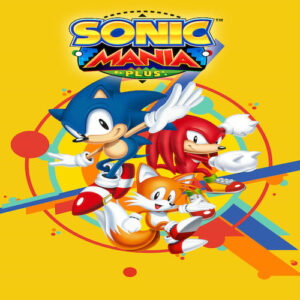
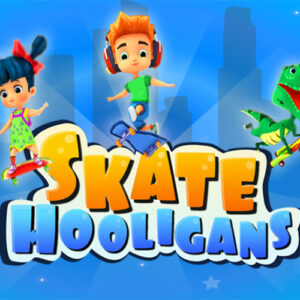
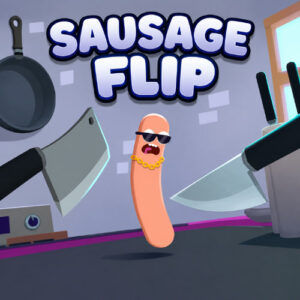
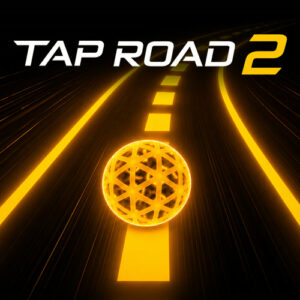
Obstacle games usually reward players who can maintain control while the game keeps disrupting it. That may sound simple, but the skill set is varied. Sonic Mania Plus relies on speed and timing through hostile layouts, while Skate Hooligans and Tap Road 2 ask for fast recognition of gaps, turns, and hazards. Sausage Flip adds a layer of physics-based aiming, making every launch a small problem to solve rather than a routine input.
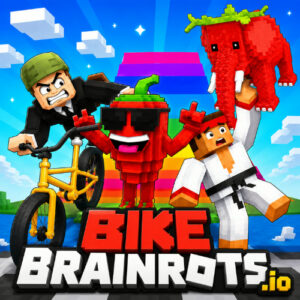
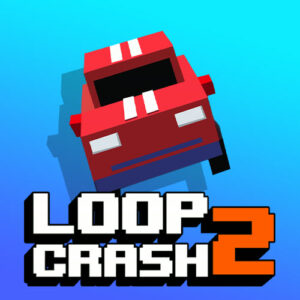
There is also a clear difference between precision-heavy obstacle play and momentum-heavy obstacle play. Loop Crash 2 and BikeBrainrots.io lean toward unstable movement and collision management, where overcommitting can be as costly as hesitating. By contrast, Fish Dive and River Drift suggest obstacle navigation through fluid movement, where current, angle, and timing matter more than raw acceleration. Across the tag, the best runs come from players who can adapt quickly when a planned line stops being safe.
Obstacle Design Often Works Through Escalation
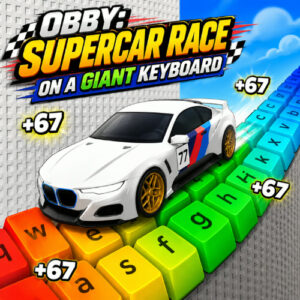
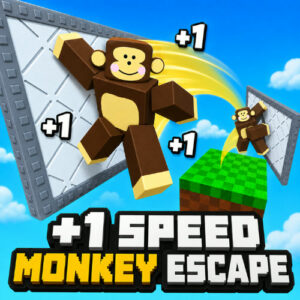
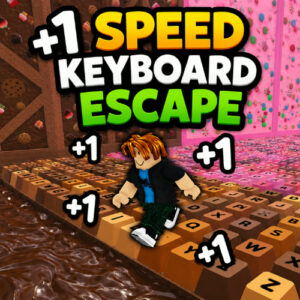
These games rarely stay static for long. They tend to add pressure through speed increases, tighter routes, or new tools that change the meaning of the course. +1 Speed Monkey Escape and +1 Speed Keyboard Escape: Obby make growth part of the obstacle loop, where improvement also creates new control problems. Obby: Supercar Race on a Giant Keyboard uses a striking setting to raise the challenge visually, but the real pressure comes from combining size, motion, and precision in one course.
Other games build escalation through destruction or transformation. Obby: Paint and Hide in the mall shifts the challenge away from pure traversal and into movement under pressure, while Obby: +1 Laser to Break Walls suggests routes that open progressively as power increases. In obstacle games, progression is often less about unlocking a final state and more about managing the new risks that arrive with each advantage.
Vehicles, Characters, and the Shape of the Challenge
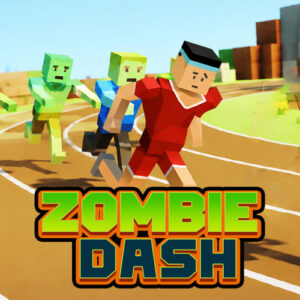
The tag covers a wide spread of control styles, and that variety changes the feel of each obstacle set. Vehicle-based games such as Car Push Driving, Good to Drive, and Offroad Crash Climber 4X4 emphasize weight, turning space, and terrain response. That produces a different kind of obstacle thinking than the more direct movement seen in Roblox Parkour Adventure or Zombie Dash, where the player’s body is the main tool and every gap or hazard reads more personally.
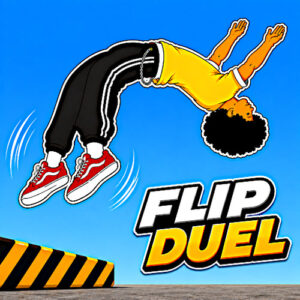
There is a useful middle ground in games like Flip Duel and Shape Rush, where the obstacle challenge is tied to form, rotation, or rapid movement switching. These games are often built around quick pattern recognition rather than long routes. That makes the tag appealing to players who want short-form skill tests as well as those who enjoy longer courses with repeated recovery points.
Competition, Survival, and Replayable Pressure
Not every obstacle game is a solo time trial. BikeBrainrots.io brings in a more competitive feel, while titles such as Flip Duel hint at direct face-off structures where each mistake matters immediately. Even in single-player formats, the pressure often feels competitive because the course acts like an opponent that never slows down. The player is constantly judging whether to push forward, take a safer line, or recover from a near miss.
That replay value comes from the same source across the tag: obstacle layouts are easy to understand but hard to master. Zombie Dash and Skate Hooligans reward repeated attempts because routes become more readable with practice, while physics-heavy games like Sausage Flip or Loop Crash 2 stay unpredictable enough to keep runs from feeling identical. The result is a collection built around correction, timing, and the satisfaction of turning a messy route into a controlled one.
 Vex 9
 ScaleMan 3D
 Hyper Wave Challenge
 Color Block Jam
 Jetski Race
 Tallman Run
 Digit Shooter
 Blocky Xtreme
 Pixel Path
 Mob Rush
 Stack Ball 3D
 Sphere Rush
 Offroad Crash Climber
 Fish Dive
 River Drift
 Sonic Mania Plus
 Skate Hooligans
 Sausage Flip
 Good to Drive
 +1 Speed Keyboard
 Obby: Supercar Race
 Tap Road 2
 BikeBrainrots.io
 Loop Crash 2
 Obby: Paint and
 Shape Rush
 Roblox Parkour Adventure
 Obby: +1 Laser
 +1 Speed Monkey
 Flip Duel
 Zombie Dash
 Car Push Driving
 SpeedEscape.io
 Blocky Runner
 Neon Rush
 Slippery Descent: Car
 +1 Speed Keyboard
 Skate Dash
 Stumble Race
 Speed Slope
 Shoot and Run
 Vex X3M 3
 Wurst Dash
 Short Life 2
 Rotate Rush
 Farting Flight
 Color Surfer
 Drift Master 3D
 Red Ball 4
 Drop Stack Ball
 Ben Car Adventure
 Police Simulator
 Trees Hate You
 Geometry Dash Funhouse
 Ruby Raid
 Don’t Get Crushed
 Deadly Descent
 Temple Runner
 Count Masters
 Traffic Rider
 Golf Orbit
 Traffic Rally
 Break a Lucky
 Escape Animals
 Be a Lucky
 Wave Rider
 Swing Obby for
 EscapeWaves.io
 Happy Wheels
 Slope
 Survive Lava for
 Hollow Knight: Silksong
 Snow Rider 3D
 Skip It!
 Space Waves
 Parkour Online
 Little Nightmares
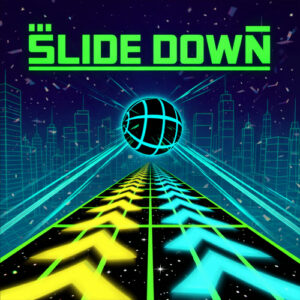 Slide Down
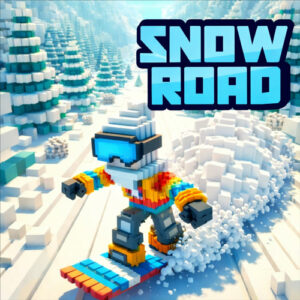 Snow Road
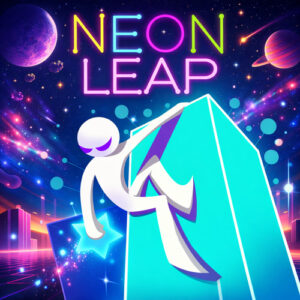 Neon Leap
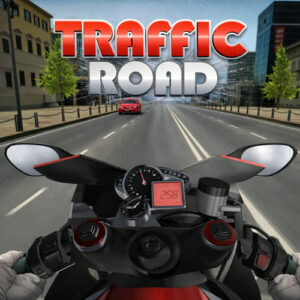 Traffic Road
 Cowboy Safari
 Slope Rider
 Rooftop Rush
 Hyper Wave Trial
 Slope Rider 3D
 Extreme Pamplona
 Car Crash Simulator