Flash Games and the Variety They Still Represent
The Flash tag gathers a wide spread of browser games that share a common delivery platform but not a single style of play. That variety is easy to see in the selection here: Gunblood and Stick Fighter focus on reflex-based combat, Dice Wars and World Wars 2 lean into territorial strategy, while Papa’s Bakeria, Papa’s Sushiria, and Lemonade Stand emphasize timed management and steady resource decisions. The tag works less as a genre label than as a snapshot of a browser era when short-session ideas, experimental mechanics, and long-running series all lived in the same space.
That mix explains why Flash games attract such different players. Some want direct action and immediate feedback, as in Crazy Flasher 3, Alien Hominid, and Thing Thing 4. Others prefer slower, system-driven play, where planning matters as much as execution, which is where Grow Tower, Bloons Tower Defense 4 Expansion, and Sonny 2 fit more comfortably. The tag’s appeal comes from that range: quick access, compact rules, and a wide spread of skill tests.
Action Games Built Around Reflexes and Control
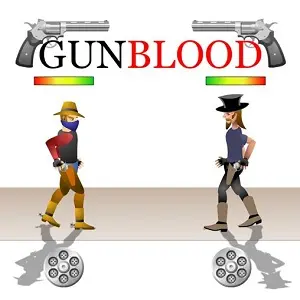
Several Flash staples revolve around timing, aim, and movement under pressure. Gunblood reduces the western duel to a brief but demanding test of reaction speed, where hesitation is punished immediately. Stick Fighter and Rage take a similar idea into close-quarters combat, asking players to read spacing and commit to attacks without overextending. Crazy Flasher 3 and Thing Thing 4 add more volume to that formula, combining shooting with constant motion and enemy management.
What links these games is not just combat, but the need to stay composed in fast, often crowded situations. Alien Hominid sits in this group as well, though its presentation and movement give the action a different rhythm. Compared with the more stripped-down dueling of Gunblood, it asks players to handle chaos, pattern recognition, and survival all at once.
Strategy Appears in Small Maps and Bigger Systems
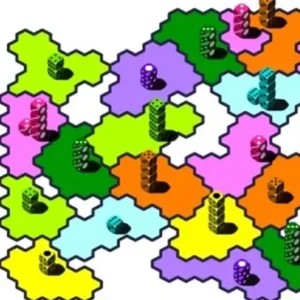
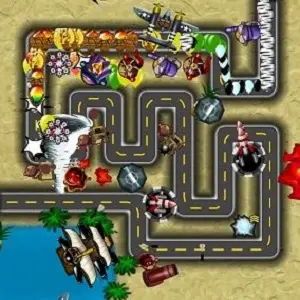
Flash strategy games tend to be readable at a glance, but they reward long-term thinking. Dice Wars turns conquest into a numbers game built on territory control and probability. World Wars 2 extends the same broad idea into more explicit military expansion, while Bloons Tower Defense 4 Expansion asks players to build lanes of defense and respond to escalating enemy waves. Grow Tower works differently again, but still depends on sequencing and order, since the puzzle is about choosing the right growth path rather than simply clicking the obvious option.
These games are closely related because they all make the player manage an unfolding system instead of a single action. The challenge often comes from understanding momentum: where to place pressure, when to save resources, and how to avoid wasting turns or upgrades. In Flash, that kind of design was especially effective because it could be presented quickly without long tutorials.
Upgrade Loops and the Satisfaction of Building Forward
Another strong thread in the Flash catalog is progression that accumulates over repeated attempts. Sonny 2 uses role-playing structure to turn each battle into part of a larger build, while Learn To Fly 2 and Learn to Fly 3 frame progress around gradually stronger launches, equipment, and distance gains. Even when the premise is simple, the loop is about making measurable improvement through earned upgrades.
This design pattern gives Flash games a particular rhythm: short run, small reward, then a more capable second attempt. The appeal is easy to see in contrast with one-session skill games like Gunblood. Where the duel tests a single moment of execution, progression games ask players to think in terms of efficiency, investment, and compounding returns.
Management Games Turn Routine Actions Into Decisions
Some of the most memorable Flash games replace combat with everyday systems. Papa’s Bakeria and Papa’s Sushiria build their challenge around ordering, preparation, and customer timing. Lemonade Stand uses a much smaller economic model, but it follows the same logic: set prices, watch demand, adapt to conditions, and improve results through careful adjustment.
These games are not passive simply because they are slower. They ask for constant prioritization, often under a time limit. The player is not just following instructions but balancing quality, speed, and consistency. That is why this side of Flash design remained so popular: it turned simple routines into systems with enough pressure to feel meaningful.
Puzzles, Tests, and the Humor of Misdirection
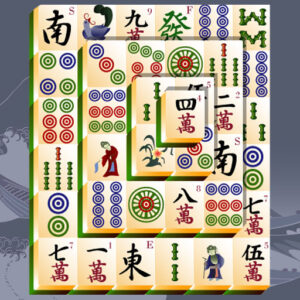
Flash also became a home for games that toyed with expectations. The Idiot Test is built around trick questions and rule-breaking logic, while Mahjong Titans offers a more traditional tile-matching structure that depends on observation and patience rather than reaction speed. The difference between them shows how broad the tag can be: one game uses humor and surprise, the other uses calm pattern reading.
Even within this group, the important skill is interpretation. Flash puzzle games often worked because they could communicate an idea instantly and then twist it just enough to force a new way of thinking. That made them ideal for players who preferred solving problems over mastering controls.
Why the Flash Tag Still Feels Distinct
What sets the Flash tag apart is the way it preserves a period of browser gaming built around immediacy and experimentation. The listed games cover duels, defense, simulation, platform action, tactical conquest, and puzzle play, yet they all share a compact format suited to quick access. A player might move from Punk-o-Matic to New York Shark to Learn to Fly 3 and still feel the same underlying design attitude: simple entry, clear feedback, and enough depth to justify repeated play.
That range is the real story of Flash. It was never one style of game, but a flexible home for many styles at once, which is why a tag like this still contains so many different kinds of play.
 Super Smash Flash
 The Idiot Test
 Dice Wars
 Cactus McCoy
 Jacksmith
 Primary
 Tanks
Tanks
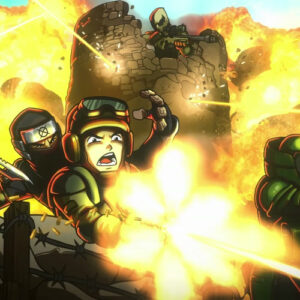 Strike Force Heroes
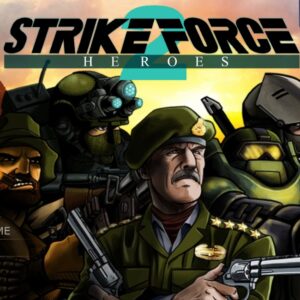 Strike Force Heroes 2
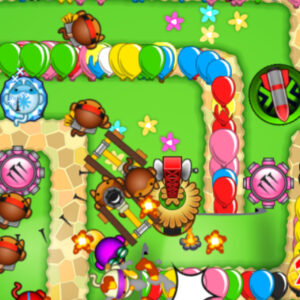 Bloons Tower Defense
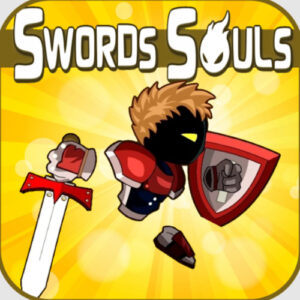 Swords & Souls
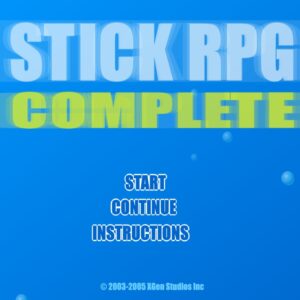 Stick RPG Complete
 Hobo
Hobo
 Papa’s Donuteria
 Papa’s Wingeria
 Papa’s Cupcakeria
 Whack Your Ex
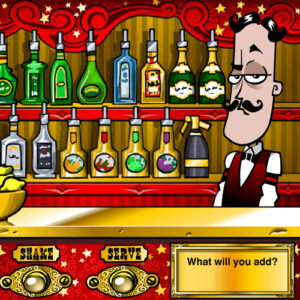 Bartender The Right Mix
 Papa’s Scooperia
 Riddle School 2
 Swords and Sandals 1
 Extreme Pamplona
 Desktop Tower Defense
 Gunblood
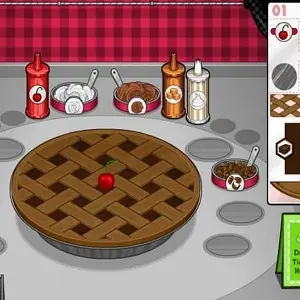 Papa’s Bakeria
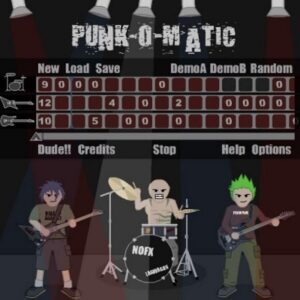 Punk-o-Matic
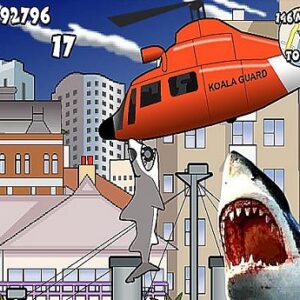 New York Shark
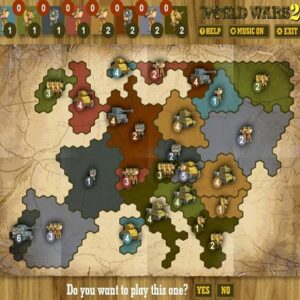 World Wars 2
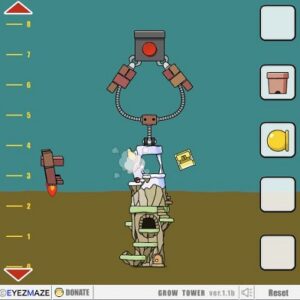 Grow Tower
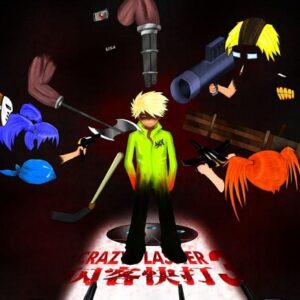 Crazy Flasher 3
 Stick Fighter
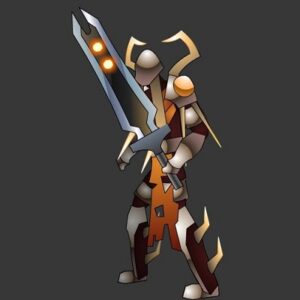 Sonny 2
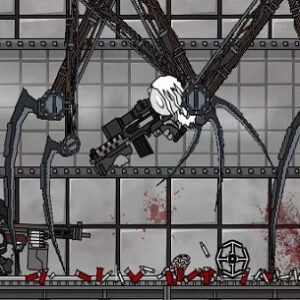 Thing Thing 4
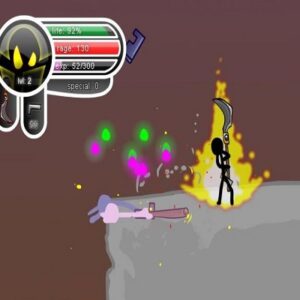 Rage
Rage
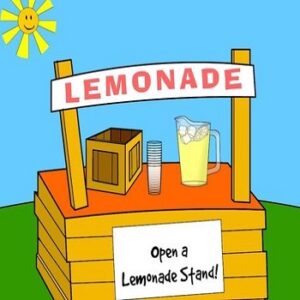 Lemonade Stand
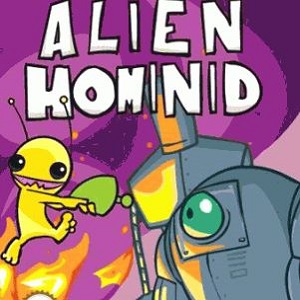 Alien Hominid
 Learn To Fly 2
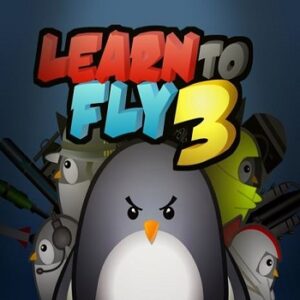 Learn to Fly 3
 Google in 1998
 Mahjong Titans
 Papa’s Sushiria
 Bloons Tower Defense 4 Expansion
 Hansel and Gretel
 Do a Barrel Roll
 Chasm
Chasm
 The Classroom 2
 Free Rider 2
 Battle Gear 2
 Return Man 2
 Bubble Trouble