Speed Games Built Around Acceleration, Control, and Split-Second Recovery
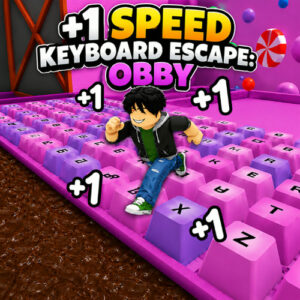
The Speed tag brings together games that treat momentum as the central mechanic. In some titles, speed is a reward that grows over time, as in +1 Speed Monkey Escape, +1 Speed ASMR Keyboard Escape, and +1 Speed Keyboard Escape: Obby, where repeated actions steadily increase movement power. In others, speed is the environment itself, with players reacting to fast tracks, shifting hazards, or tight traffic windows in games like Formula Car Circuit Racing, Rapid Rally, and Neon Rush.
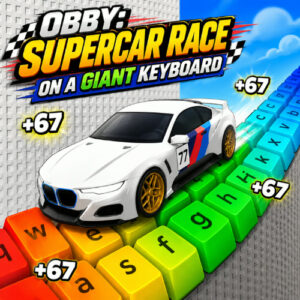
What connects the collection is not just fast motion, but the need to manage it. Pure acceleration is rarely enough. The games in this tag ask for lane changes, drift timing, jump control, collision recovery, and quick course correction. That is true whether the player is navigating a keyboard-themed obstacle course in Obby: Supercar Race on a Giant Keyboard or holding a racing line in Wild Drift on the BMW M5 F90.
Momentum Is the Main Resource
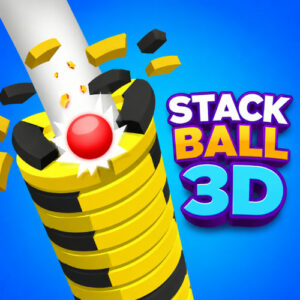
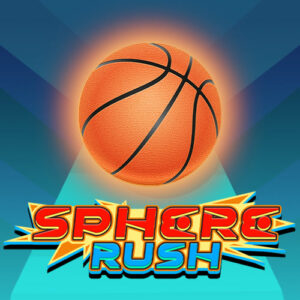
Several of these games make speed feel like something to build rather than simply possess. Shape Rush, Sphere Rush, and Stack Ball 3D lean on continuous forward motion, where timing and rhythm matter because the player rarely stops moving for long. The challenge comes from preserving momentum through barriers, turns, or vertical drops without losing control.
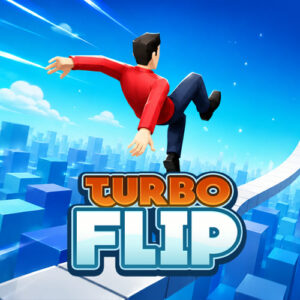
This same idea appears in more exaggerated forms in Turbo Flip and BMG: Ragdoll Car Race, where motion is tied to stunts, flips, or unpredictable physical reactions. The player is not only trying to move fast, but to keep the run viable after a risky maneuver. Speed becomes a resource that can be wasted, preserved, or converted into distance.
Racing Games Split Between Precision and Chaos
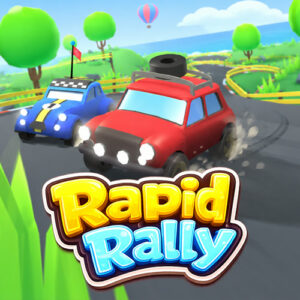
Within the racing side of the tag, the contrast between structured circuits and looser, more volatile formats is clear. Formula Car Circuit Racing and Rapid Rally emphasize line discipline, cornering, and consistent handling. These games reward players who understand when to brake, when to accelerate, and how to stay efficient over a full course.
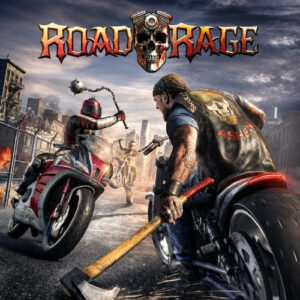
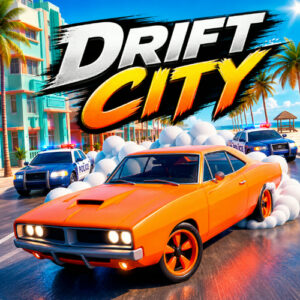
By comparison, Road Rage, Drift City, and Wild Drift on the BMW M5 F90 put more weight on aggressive driving style, sharp turns, and controlled sliding. Drift-focused games in particular turn speed into a technical problem: going fast is useful, but only if the vehicle still pivots where it needs to. That balance between control and loss of traction defines much of the tag.
Obstacle Courses Turn Speed Into a Navigation Test
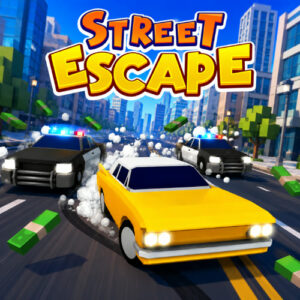
Some of the strongest entries in the tag use speed as the base for obstacle navigation rather than racing. Street Escape, SpeedEscape.io, and the various +1 Speed escape games place the player in compact spaces where movement choices matter as much as raw pace. The screen fills with hazards, barriers, and narrow paths, so quick reactions are only useful when paired with route awareness.
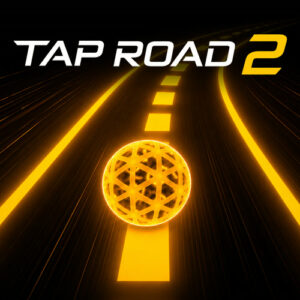
Tap Road 2 and Neon Rush also belong to this pattern, though they push the idea in different directions. One focuses on tapping or timing through traffic-like movement, while the other presents a faster, more abstract lane-running feel. In both cases, the player is reading the track ahead and making immediate adjustments instead of settling into a relaxed rhythm.
Physics, Stunts, and Unstable Movement
A noticeable group of games uses speed to destabilize vehicles or characters on purpose. BMG: Ragdoll Car Race is built around ragdoll physics, which means movement can become messy very quickly. That unpredictability changes the meaning of speed: the player is not only trying to go faster, but to survive the consequences of speed-induced chaos.
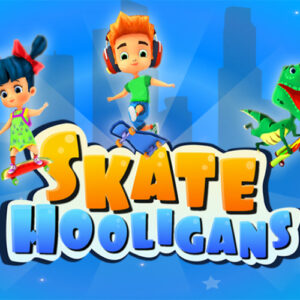
Turbo Flip and Skate Hooligans use similar principles in different forms. Flips, jumps, and skate-based motion create runs where timing the next move matters more than holding a straight line. These games often attract players who enjoy recovering from imperfect runs, because the fun comes from improvisation as much as from accuracy.
What Players Keep Coming Back For
The appeal of the Speed tag lies in how many different skills it can emphasize. Some games, like Formula Car Circuit Racing and Rapid Rally, reward precision over long runs. Others, including Shape Rush, Sphere Rush, and Stack Ball 3D, focus on rhythmic control and maintaining momentum through compact challenges. Then there are the more chaotic entries, such as Road Rage, SpeedEscape.io, and BMG: Ragdoll Car Race, where reacting correctly to disorder matters as much as mastering the controls.
That variety makes the tag useful for players with very different goals. Some want short, high-intensity attempts. Others want to refine drift lines, improve race consistency, or push through obstacle sequences without losing speed. Across all of them, the common thread is the same: motion is never just movement, but the core system the game asks the player to understand.
 Jetski Race
 Stack Ball 3D
 Sphere Rush
 Skate Hooligans
 Wild Drift on the BMW M5 F90
 +1 Speed Keyboard Escape: Obby
 Street Escape
 Obby: Supercar Race on a Giant Keyboard
 Tap Road 2
 Road Rage
 Rapid Rally
 Drift City
 Turbo Flip
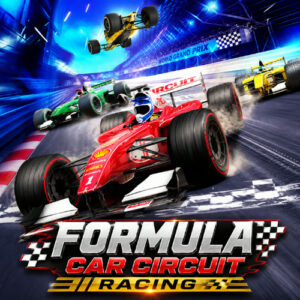 Formula Car Circuit Racing
 Race Survival: Arena King
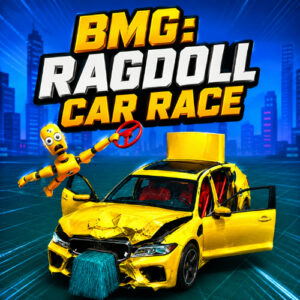 BMG: Ragdoll Car Race
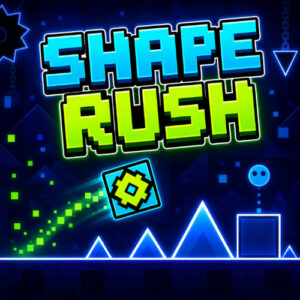 Shape Rush
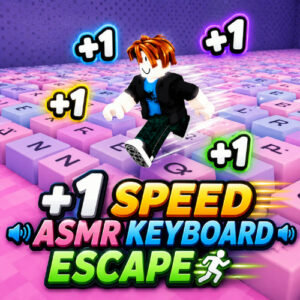 +1 Speed ASMR Keyboard Escape
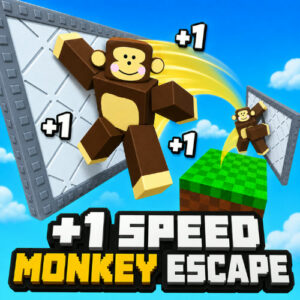 +1 Speed Monkey Escape
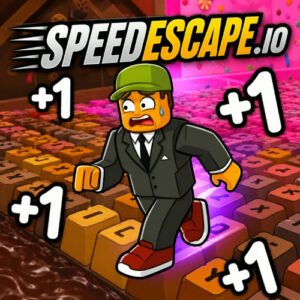 SpeedEscape.io
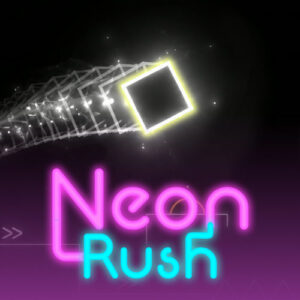 Neon Rush
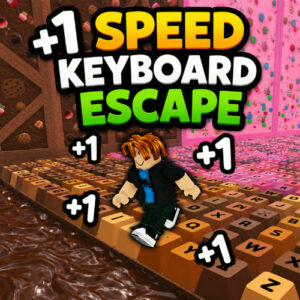 +1 Speed Keyboard Escape
 Racing: Online!
 No Brakes: Total Mayhem
 Speed Slope
 Real Racing Formula 1
 Drift Frenzy
 Retro Drift
 Rooster Road
 Arcade Glide
 Drift Rush
 Color Surfer
 Track Dash
 Formula Car Racing Game
 Retro Rush
 Drop Stack Ball
 Old School Rally
 Police Simulator
 Geometry Dash Funhouse
 Max Speed
 Deadly Descent
 Asseto Corsa Traffic Racer
 Escape Road 3
 Racing Limits
 Traffic Rally
 Brawl Stars
 Kart Bros
 Wave Rider
 Slope
Slope
 Escape Tsunami Brainrots Online