Drifting Built Around Control, Not Just Speed
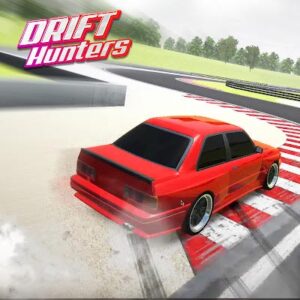
The Drifting tag brings together games that treat driving as a balancing act. Instead of rewarding only straight-line acceleration, these games ask players to manage angle, momentum, traction, and timing. That design shows up in very different forms across the tag, from the precision-focused runs of Drift Boss to the more open car control in Drift Hunters and Drift Hunters 2. Even when the setting changes, the core appeal stays similar: holding a line while the vehicle is constantly trying to slide away from it.
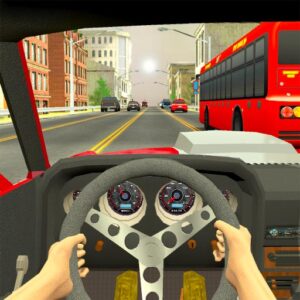
What makes the tag interesting is the range of situations built around that idea. Burnout Drift, Drift Runner 3D, and Racing in City emphasize fast car handling in spaces that demand quick corrections, while City Car Driving and Parking Fury 3 place more weight on careful positioning. Tanuki Sunset and Tunnel Rush lean harder into movement rhythm and obstacle avoidance, showing that drifting-adjacent control can work even outside traditional car-racing structures.
Sliding Mechanics Across Different Play Styles
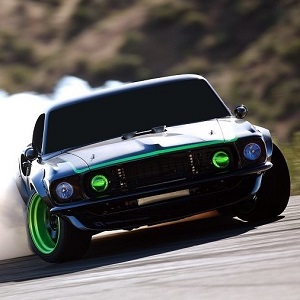
Some games in this tag are built around sustained drift chains and score chasing. Drift Hunters and Drift Hunters 2 fit that pattern closely, where the challenge comes from keeping a drift alive long enough to build points and maintain flow. Burnout Drift follows a similar logic, encouraging the player to stay committed to the slide rather than repeatedly resetting the car back into a straight position.
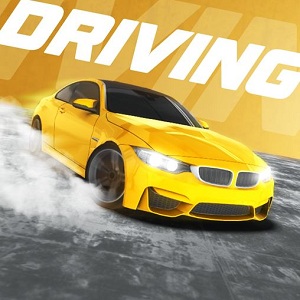
Other entries use drifting as a practical skill inside broader driving tasks. In City Car Driving and Parking Fury 3, the same idea of controlled turning becomes part of navigation and parking, not just style. Stunt Simulator Multiplayer and Racing in City place that control in more open, chaotic environments where the player has to combine drifting with steering discipline, obstacle awareness, and quick recovery after mistakes.
Tracks, Traffic, and the Value of Tight Spaces
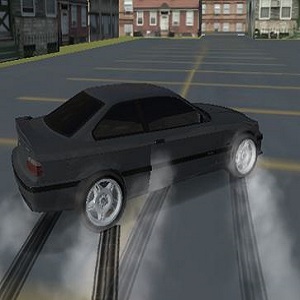
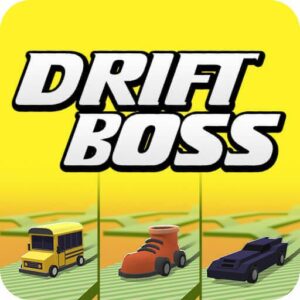
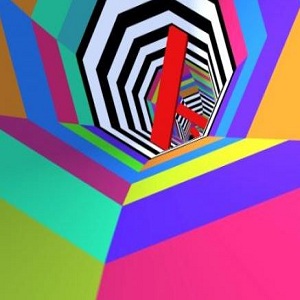
Several titles in the tag show that drifting becomes more interesting when space is limited. Drift Runner 3D and Drift Boss both rely on narrow routes where overcorrecting can end a run quickly. Tunnel Rush pushes that idea further through a fast obstacle tunnel, where movement precision matters more than a perfect racing line. The appeal here is less about car fantasy and more about concentration under pressure.
Street settings create a different kind of tension. Racing in City and City Car Driving frame drifting within traffic-like layouts and road edges, so players have to read corners and predict how much space a turn will consume. That makes the gameplay feel more tactical than a wide-open drift course, because one late correction can be enough to throw off the entire run.
Score Chasing, Stunts, and Riskier Lines
In many of these games, drifting is tied to risk and reward. The longer the slide, the better the result, but the harder it becomes to keep control. Drift Hunters 2 and Burnout Drift support this style especially well, since the player is often choosing between a safer reset and a more valuable, extended drift. That tension is central to the tag’s replay value.
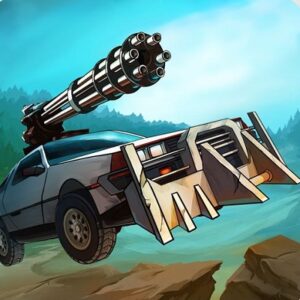
Stunt Simulator Multiplayer adds a different layer by encouraging experimentation. Rather than treating drifting only as a scoring tool, it turns vehicle handling into part of a larger stunt mindset. Zombie Derby also stands out because its driving is shaped by destruction and momentum rather than clean racing lines, which makes the act of controlling a vehicle feel rougher and more forceful than in standard drift-focused racers.
Beginner-Friendly Handles and Higher-Skill Mastery
The tag includes games that are easy to understand quickly but harder to master over time. Drift Boss is a clear example: the core action is simple, yet the timing window is narrow enough to punish hesitation. Tanuki Sunset uses a similar accessibility model, with movement that feels approachable at first but becomes more demanding as the player tries to keep momentum through longer runs.
At the other end, Drift Hunters, Drift Hunters 2, and Drift Runner 3D reward players who can repeat controlled motions consistently. The difference between a short slide and a strong drift chain is often small, but that small difference defines the score. That is why the tag attracts both casual players and those who enjoy refining technique: the same mechanic supports quick play sessions and deeper mastery.
Why Drifting Keeps Showing Up Outside Racing
Drifting works as a design idea because it transforms ordinary movement into a skill test. In Parking Fury 3, the player is still handling a vehicle, but the challenge is precision rather than competition. In Tunnel Rush, the sensation of sliding through tight spaces becomes part of obstacle dodging. In Zombie Derby, momentum and vehicle control help sell a heavier, more aggressive style of driving.
That flexibility is why the tag feels broader than a simple racing label. It covers arcade drifting, city driving, stunt play, and obstacle-course handling, while still preserving the same underlying demand: read the space, manage the angle, and recover before the slide turns into a mistake.
 Cars Arena
 Wild Drift on the BMW M5 F90
 Street Escape
 Drift City
 Parking Adventure
 Pato Vs Cops
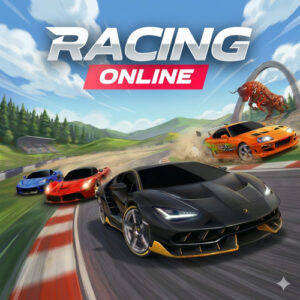 Racing: Online!
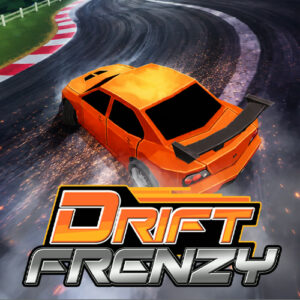 Drift Frenzy
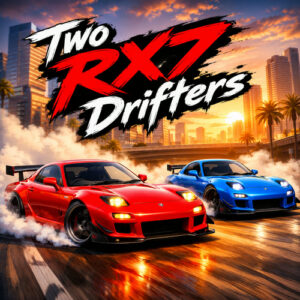 Two RX7 Drifters
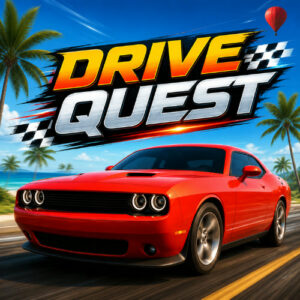 Drive Quest
 Retro Drift
 Arcade Glide
 Drift Rush
 Drift Master 3D
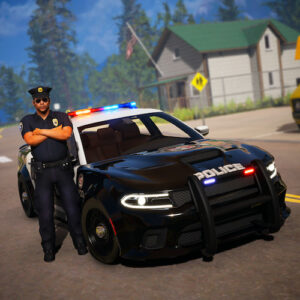 Police Simulator
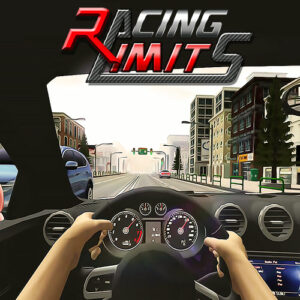 Racing Limits
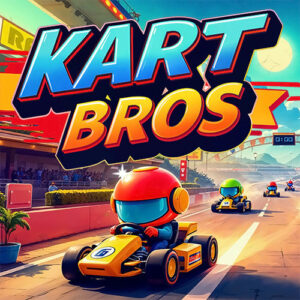 Kart Bros
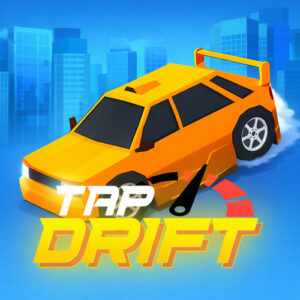 Tap Drift
 Escape Road City
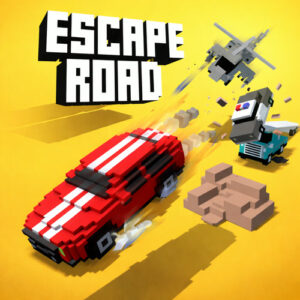 Escape Road
 Circuit Racing
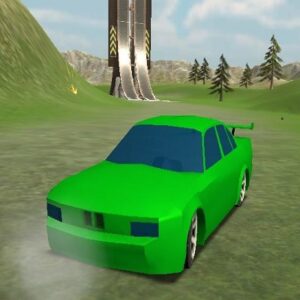 Stunt Simulator Multiplayer
 Customize BMW I8
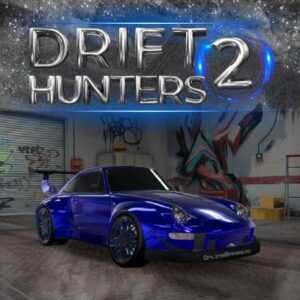 Drift Hunters 2
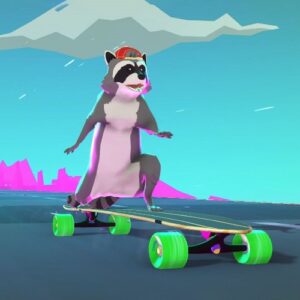 Tanuki Sunset
 Zombie Derby
 Drift Runner 3D
 Parking Fury 3
 Burnout Drift
 Dune Buggy
 City Car Driving
 Racing in City
 Drift Hunters
 Drift Boss
 Tunnel Rush
 Madalin Cars