Destruction as a Playstyle, Not Just a Result
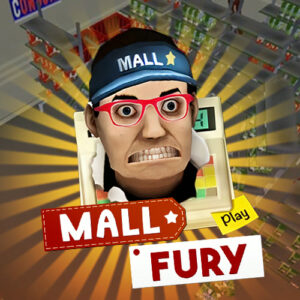
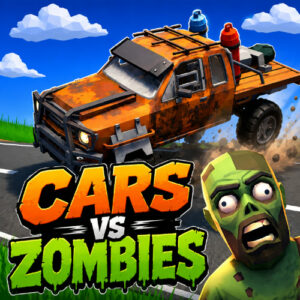
The Destroy tag brings together games that treat wrecking things as the main objective rather than a side effect. In Destroy House, Goat Rampage, and Mall Fury, the appeal comes from turning ordinary spaces into targets and watching them fall apart under direct player action. Other games, such as Cars vs Zombies, Lab Havoc, and Ship Smasher, shift that same impulse into different settings, but the structure stays familiar: identify a target, apply force, and keep going until the environment gives way.
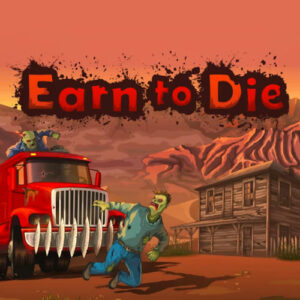
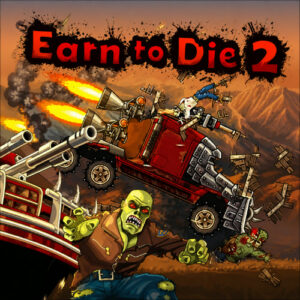
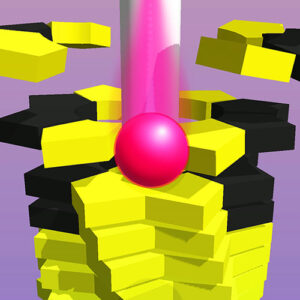
What makes this tag interesting is the range of systems built around destruction. Some games are about raw impact, others lean on movement or timing, and a few mix in upgrade paths or vehicle handling. Earn to Die and Earn to Die 2 connect destruction to progression, while Drop Stack Ball turns breaking objects into a rhythmic descent. The result is a collection where smashing, crashing, and tearing through obstacles become the core loop.
Vehicles Turn Damage Into Momentum
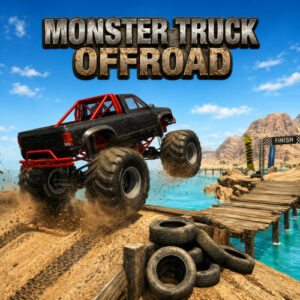
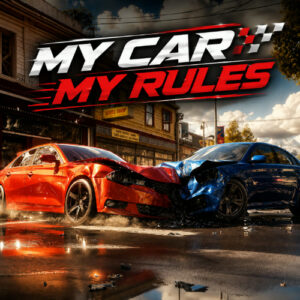
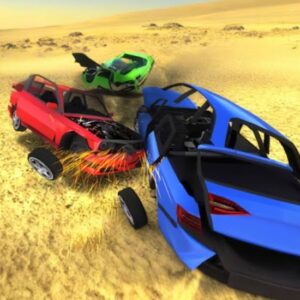
A large part of the tag revolves around vehicles that gain value from wrecking things efficiently. BMG: Ragdoll Car Race, Drift City, Car Smash Simulator: Crash & Tune, Monster Truck Offroad, and My Car My Rules all place the player behind the wheel and encourage forceful contact with the world. In some of these games, control matters because the vehicle itself is the weapon; in others, the fun comes from making a machine behave badly and still keep moving.
Earn to Die and Earn to Die 2 are especially clear about the relationship between destruction and movement. Progress often depends on pushing farther through obstacles, using collisions to break through barriers, and improving the vehicle so later runs destroy more than the previous ones. Monster Truck Offroad works from a similar logic, but with more emphasis on weight, traction, and terrain. These games reward players who can manage momentum without losing control completely.
Ragdolls, Chaos, and Physical Comedy
Not every destroy game is about structured demolition. Some are built on loose physics, erratic outcomes, and the entertainment value of watching systems collapse in unpredictable ways. Goat Rampage is a clear example, where movement and collisions create a kind of improvised mayhem. I Am Quadrober! and BMG: Ragdoll Car Race also lean into exaggerated body or vehicle motion, making the destruction feel less like engineering and more like controlled disorder.
This style of game often prioritizes reaction over precision. The player is not always trying to solve a level cleanly; sometimes the goal is simply to create the most disorder possible and see how the physics respond. That design gives these games a different rhythm from the vehicle-focused titles. Instead of building power through upgrades, the appeal comes from moment-to-moment instability.
Breaking Things Through Simple Repetition
Several games in the tag use destruction as a straightforward arcade loop. Ball Breaker and Drop Stack Ball focus on repeated impact, where each hit removes part of the obstacle in front of the player. The structure is direct and easy to understand: keep hitting, keep clearing, and keep the object from stopping progress. That simplicity makes the mechanics accessible, but the timing still matters when gaps, barriers, or layered structures are involved.
Ship Smasher fits this pattern as well, even though the target is different. Rather than asking the player to explore or manage a broad system, it turns destruction into a concentrated action loop. These games tend to appeal to players who want immediate feedback, since every successful strike produces visible change. The destruction is the entire point, and the pace usually stays focused on repeated action rather than long-term planning.
Firepower, Targets, and Controlled Damage
Some destroy games add combat pressure to the formula. Grandfather Road Chase Realistic Shooter Guns, Mr Stickman Gunner, and Cars vs Zombies all tie destruction to weapons, threats, and target selection. In these games, the player is not only breaking objects but also managing enemies or obstacles that demand fast decisions. That creates a tighter link between aiming, movement, and survival.
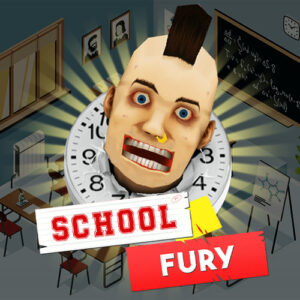
School Fury and Mall Fury build on the same idea of direct attack, but in spaces that feel more like staged environments than open combat zones. The player is pushed toward destruction as a response to a setting, and the game structures often support short bursts of chaos rather than extended tactical play. Compared with the vehicle games, these shooters and action titles are less about momentum and more about choosing what to hit first.
Progression Makes Destruction More Strategic
Among the more layered titles, Animal Hospital Online and Lab Havoc suggest that damage can be part of a larger system instead of a standalone event. Even when the immediate action is about causing chaos, there is often an underlying structure of goals, stages, or upgrades that changes how destruction is used. Car Smash Simulator: Crash & Tune also points to this blend, pairing wrecking behavior with tuning and customization so damage becomes part of a broader vehicle loop.
That mix separates the tag into two broad moods. Some games let the player destroy for the sake of spectacle, while others make destruction a tool for advancement. The first group is about momentary impact; the second asks players to think about when to smash, what to sacrifice, and how to convert damage into better performance later. That difference gives the tag a wider range than it first appears to have.
 Mall Fury
 Monster Truck Offroad
 Cars vs Zombies
 Grandfather Road Chase
 Earn to Die
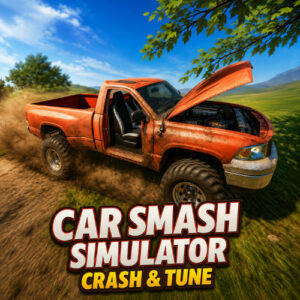 Car Smash Simulator:
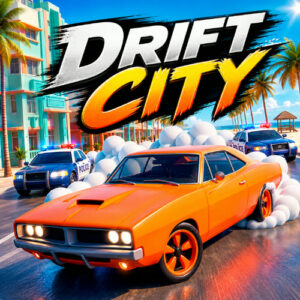 Drift City
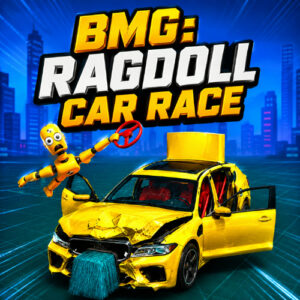 BMG: Ragdoll Car
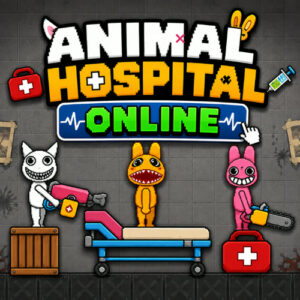 Animal Hospital Online
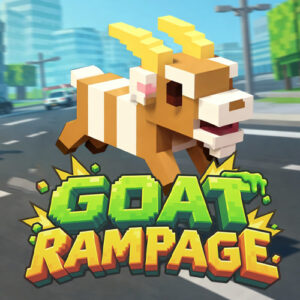 Goat Rampage
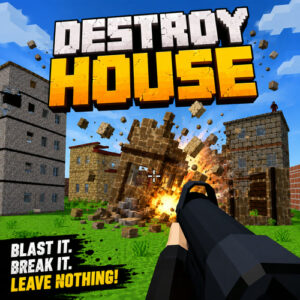 Destroy House
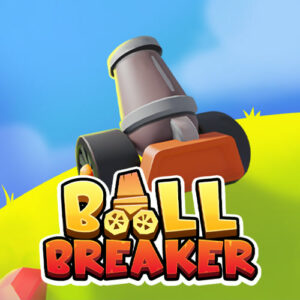 Ball Breaker
 Mr Stickman Gunner
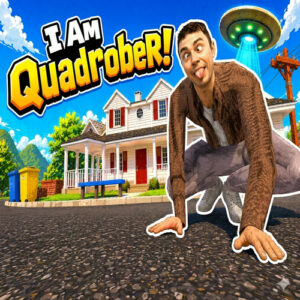 I Am Quadrober!
 Earn to Die
 School Fury
 My Car My
 Drop Stack Ball
 Lab Havoc
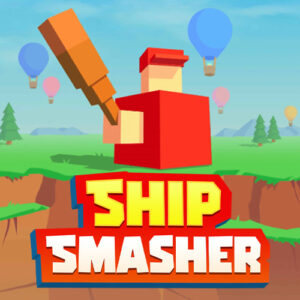 Ship Smasher
 Office Fury
 Mexico Rex
 Clash of Vikings
 Car Chaos
 Ragdoll Playground
 Dude Theft Auto
 Deer Adventure
 Bucket Smash
 Car Crash Simulator