Relaxing Games That Favor Pace Over Pressure
Games in the Relaxing tag tend to reduce friction rather than remove challenge entirely. The selection ranges from the tactile rhythm of +1 Speed ASMR Keyboard Escape and Scritchy Scratchy to slower, pattern-based play in Block Blast, Arrow Puzzle, and Golf Puzzle. Even when the games are built around goals, they usually ask for controlled movement, light planning, or repetitive actions that are easy to settle into. That gives the tag a broad appeal: some games calm through sound and motion, while others do it through simple rules and steady pacing.
The common thread is low pressure. Chill Guy Clicker and Pizza Clicker Online use incremental repetition, while Fish It Online and Maze 3D lean on gentle exploration and navigation. Hidden Objects: Island Secrets and Find The Difference slow things down even further by turning attention into the main skill. The result is a tag built for short breaks, quiet sessions, and players who prefer small decisions over constant demands.
Small Actions, Steady Feedback
Clickers and incremental games are a major part of the relaxing space because they create progress without demanding fast reactions. Chill Guy Clicker, Pizza Clicker Online, and Get Yoked all rely on repeated inputs and visible growth, which makes them easy to understand immediately. The loop is simple: act, watch the numbers move, repeat. That structure can be almost meditative when paired with uncomplicated visuals and predictable upgrades.
Meme Mukbang: ASMR Game sits close to this pattern, but with a stronger sensory angle. It uses the same easy-to-follow tempo that works in clickers, yet the appeal comes from the combination of feeding, sounds, and visual rhythm. +1 Speed ASMR Keyboard Escape pushes in a similar direction, using the satisfaction of input itself as part of the experience. In these games, the act of doing is often more important than the difficulty of what is being done.
Puzzles That Unwind Through Order
Several games in the tag focus on arranging pieces, recognizing patterns, or clearing space without pressure from timers or heavy punishment. Block Blast and Arrow Puzzle work especially well as examples of this kind of structured calm. They reward players for reading the board, making sensible placements, and finding efficient lines of play. Golf Puzzle uses a similar logic even though its presentation is different: the satisfaction comes from solving a compact problem with a clean outcome.
This style of relaxation is not passive. It still asks for attention, but in a measured way that encourages thoughtful movement rather than urgency. Bucket Smash and Golf Hit also fit this broader pattern by making success depend on timing, angle, or controlled force instead of complex systems. These games often work best when players want a clear objective and a short problem to untangle.
Observation, Search, and Quiet Focus
Another side of relaxing games depends on patience and visual scanning. Hidden Objects: Island Secrets and Find The Difference place the player in a slower mental rhythm, where success comes from careful observation rather than speed. The challenge is not mechanical complexity but concentration. Because the player is looking for detail instead of juggling systems, these games create a calmer kind of engagement than action-focused titles.
Haaland Coloring Book fits here as well, although it shifts the emphasis from searching to creation. Coloring games give players a way to settle into simple choices, fill space, and complete images at their own pace. That makes them useful for anyone who wants a low-stress activity with a clear visual payoff. The same is true of hidden-object games: the structure is orderly, the objectives are readable, and the pace can remain unhurried.
Movement Without Demands
Not every relaxing game removes motion. Some simply strip away pressure so movement feels light instead of stressful. Maze 3D and Fish It Online both depend on navigation, but neither asks for the kind of relentless precision associated with faster arcade games. In a maze, the main task is staying oriented. In a fishing game, the appeal is usually found in repetition, timing, and the quiet cadence of trying again.
This also explains why games like Golf Hit and Bucket Smash can sit comfortably in the tag. They involve distance, placement, or trajectory, yet the underlying actions are easy to grasp. The player is invited to experiment without being overwhelmed by systems. That balance between movement and simplicity is a major reason relaxing games can still feel active while remaining low intensity.
What Keeps the Tag Distinct
Relaxing games are not all the same, but they share a clear design preference: readable goals, forgiving pacing, and actions that feel manageable in short sessions. Some, like Chill Guy Clicker and Pizza Clicker Online, focus on steady accumulation. Others, such as Block Blast, Arrow Puzzle, and Golf Puzzle, use compact problem-solving. A third group, including Hidden Objects: Island Secrets, Find The Difference, and Haaland Coloring Book, centers on observation and calm focus.
That range matters because it gives the tag room for different moods. Some players want the tactile comfort of Scritchy Scratchy or +1 Speed ASMR Keyboard Escape; others prefer the slower mental flow of Maze 3D or Fish It Online. What unites the collection is not genre, but the way each game lowers tension while still giving the player something clear to do.
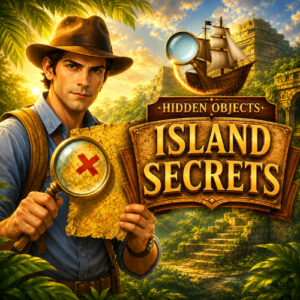 Hidden Objects: Island Secrets
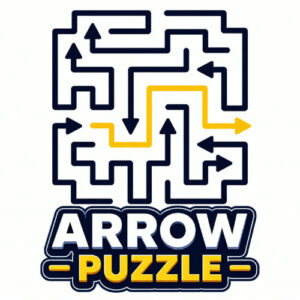 Arrow Puzzle
 Haaland Coloring Book
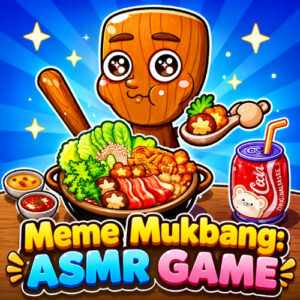 Meme Mukbang: ASMR Game
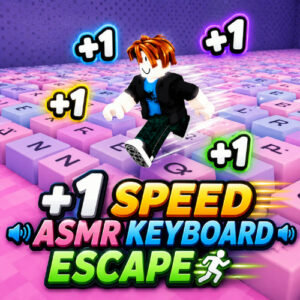 +1 Speed ASMR Keyboard Escape
 Scritchy Scratchy
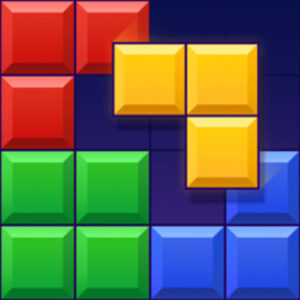 Block Blast
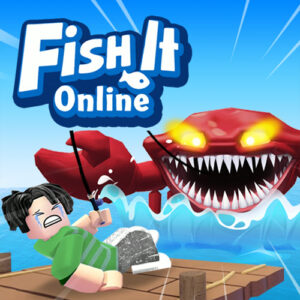 Fish It Online
 Get Yoked
 Pizza Clicker Online
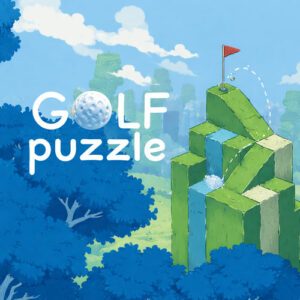 Golf Puzzle
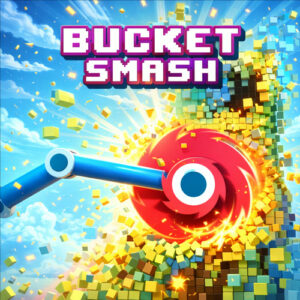 Bucket Smash
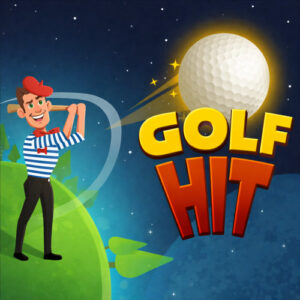 Golf Hit
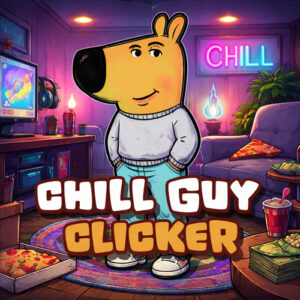 Chill Guy Clicker
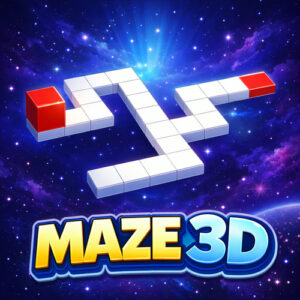 Maze 3D
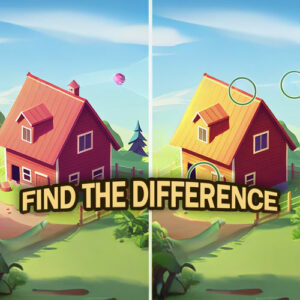 Find The Difference
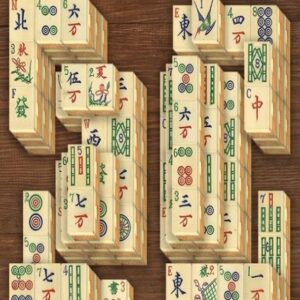 Mahjong Real
 Coin Flip
 Sand Painting
 Flip A Coin
 Thisissand
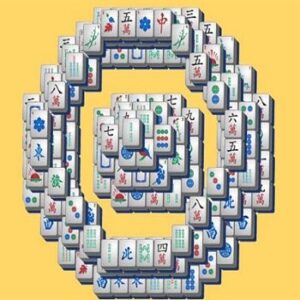 Mahjong 247
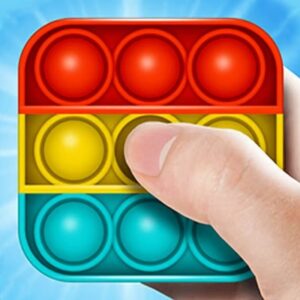 Pop It Master
 Looper
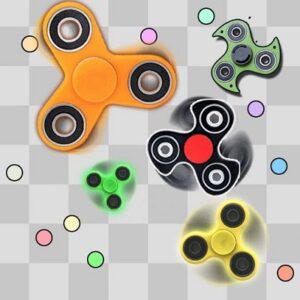 Fidget Spinner.io
 Boat Simulator
 Mahjong Dark Dimensions
 WOW Connect
 Mahjong Alchemy
 Mahjong Connect
 Love Calculator
 Mahjong Link
 Love Tester 3
 Love Tester
 Pixel Art