Pixel Games and the Range of Styles Behind the Look
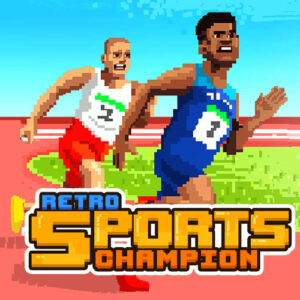
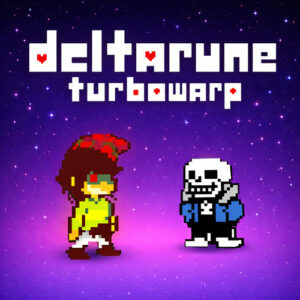
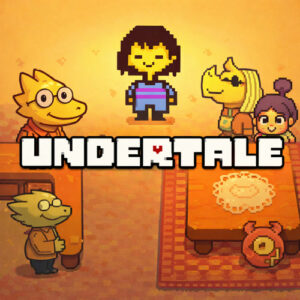
The Pixel tag brings together games that rely on a compact visual language, but the shared presentation hides a wide spread of play styles. Undertale and Deltarune TurboWarp use pixel art to support story-driven RPG structure, while Pokémon Emerald represents a more traditional progression loop built around exploration, team building, and turn-based battles. On the lighter end, A Small World Cup, Tube Jumpers, and Retro Sports Champion use the same visual style for quick competition, simple controls, and immediate readable action.
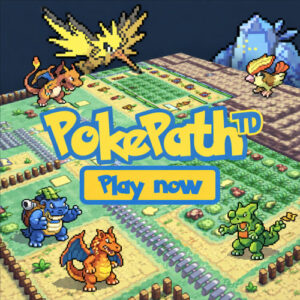
That contrast is one of the main traits of pixel games: the art style is not tied to a single genre. It can support platforming in Pixel Path, arcade shooting in Retro Blaster, tower defense in PokéPath TD, or movement-heavy challenge design in Snow Road. The look often suggests nostalgia, but the actual structure can be highly modern, with checkpoints, modifiers, timing demands, and layered systems.
Readable Action and Tight Input Design
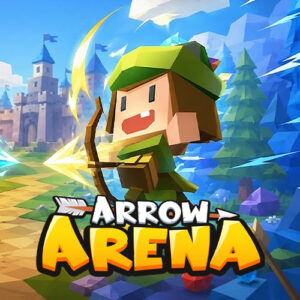
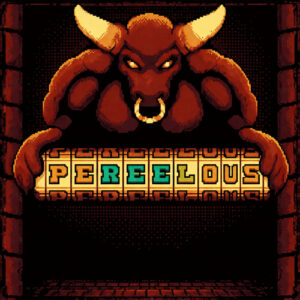
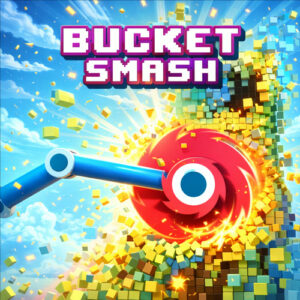
Many pixel games depend on clarity more than spectacle. In action-focused titles like Arrow Arena, Bucket Smash, and Oneli, players need to understand threats, spacing, and momentum instantly. Pixel art helps by keeping silhouettes and movement easy to track. That same clarity matters in Pereelous and Operation Epic Furious: Strait to Hell, where fast decisions and stage pressure matter more than visual complexity.
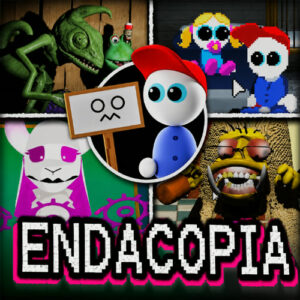
This is also why the tag fits games built around precision. Pixel Path leans into careful movement and obstacle reading, while Scritchy Scratchy and Endacopia suggest more experimental or puzzle-oriented design where the player must study objects, routes, or interactions. In these games, the pixel style does more than provide charm; it supports readable feedback when the challenge comes from timing, observation, or repeated trial and error.
Retro Structure, Modern Variety
A notable pattern in the Pixel tag is how often older design ideas appear in newer forms. Pokémon Emerald and Undertale show how pixel presentation can frame exploration and turn-based encounters, but the same visual language also supports newer reinterpretations like Deltarune TurboWarp. Meanwhile, Doodle Champion Island Games blends compact objectives with a quest structure that feels approachable without being shallow.
Several games in the tag lean on short-session design. A Small World Cup and Tube Jumpers are easy to enter, built around quick matches and simple goals. Retro Sports Champion sits nearby in that space, emphasizing score chasing and direct competition. These games show how pixel visuals often pair well with arcade pacing, where players want rapid feedback instead of long setup.
Progression, Collection, and Long-Horizon Play
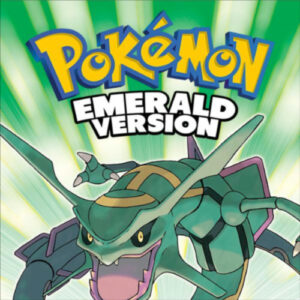
Not every pixel game is about reflexes alone. Some are built around accumulation and route planning. Pokémon Emerald is the clearest example, with party development and gradual advancement shaping the entire experience. PokéPath TD shifts that sense of progression into strategy, asking players to think about placement and pressure over time rather than raw speed.
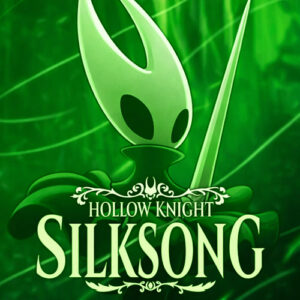
Doodle Champion Island Games and Hollow Knight: Silksong point to another side of the tag: worlds that reward persistence, discovery, and mastery. Even when the exact genres differ, the appeal is similar. Players return to these games to improve movement, learn layouts, or complete objectives that are not solved in one run. Pixel art works especially well here because it keeps complex environments legible as the systems beneath them grow deeper.
Small-Scale Competition and Party Energy
Some of the tag’s most accessible games thrive on direct competition and shared chaos. Tube Jumpers, A Small World Cup, and Bucket Smash all focus on immediate outcomes, where a single mistake can flip the result. Their appeal comes from compression: simple rules, short rounds, and a strong emphasis on reactions. Retro Sports Champion follows the same logic, using familiar sports framing to create contests that are easy to understand even before the first match starts.
These games show why pixel visuals remain common in multiplayer and local-play formats. The presentation keeps the action uncluttered, which matters when several things happen at once. It also makes the games feel approachable without stripping away tension. That balance is one of the defining strengths of the Pixel tag.
Exploration, Mystery, and Unusual Tone
Not every pixel game is built around speed or competition. Endacopia, Oneli, and Scritchy Scratchy suggest a more curious design approach, where atmosphere and interpretation matter as much as direct challenge. Undertale fits this side of the tag as well, since its appeal depends on player choice, character framing, and the way battles and dialogue interact. Hollow Knight: Silksong extends that sense of layered discovery into a more demanding action-adventure structure.
Within the Pixel tag, this creates a strong split between games that want constant motion and games that ask for attention. The first group emphasizes reaction and competition; the second rewards observation, patience, and familiarity with its world. Together, games like Endacopia, Undertale, Hollow Knight: Silksong, Pokémon Emerald, and Doodle Champion Island Games show that pixel art can support both immediate arcade play and slower, more deliberate game design.
 Pixel Path
 Endacopia
 Retro Sports Champion
 Arrow Arena
 Operation Epic Furious: Strait to Hell
 Scritchy Scratchy
 Hollow Knight: Silksong
 Deltarune TurboWarp
 Undertale
 Retro Blaster
 Pereelous
 Pokémon Emerald
 Snow Road
 Bucket Smash
 Oneli
Oneli
 PokéPath TD
 Doodle Champion Island Games
 A Small World Cup
 Tube Jumpers
 Pixel Speedrun