Defense Games Turn Positioning Into the Main Decision
The Defense tag gathers games where survival depends on holding a line, managing pressure, and making every placement matter. In Bloons Tower Defense 4 Expansion, Bloons Tower Defense 3, Bloons Tower Defense 2, Vector TD, Toy Defense, and Cursed Treasure 2, the core loop is built around wave control: enemies follow a path, defenses are assigned to specific roles, and small setup choices shape the entire run. The appeal comes from anticipation as much as reaction. A strong layout can absorb several waves before the player needs to intervene, while a weak one collapses quickly under repeated pressure.
That pattern also explains why defense games often feel tactical rather than purely action-driven. The player is not just firing at enemies; they are deciding where force should be concentrated, where coverage should overlap, and when a new threat demands a different answer. In Battle Gear 2 and Stick War, the idea of defense extends beyond towers into unit production and front-line control, but the same principle remains: protect territory by creating enough pressure in the right places.
Wave Pressure Rewards Planning Before the Fight Starts
Games in this tag tend to create tension before the next enemy wave even appears. That is especially clear in tower defense titles like Bloons Tower Defense 4 Expansion or Vector TD, where the layout has to account for range, chokepoints, and gradual escalation. A player may start with simple defenses, but later waves force a more disciplined structure. This is where the genre becomes a puzzle of timing and placement rather than a test of raw speed.
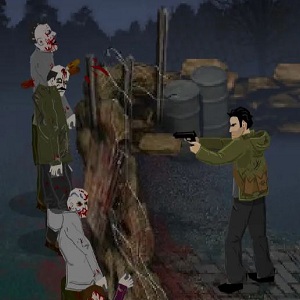
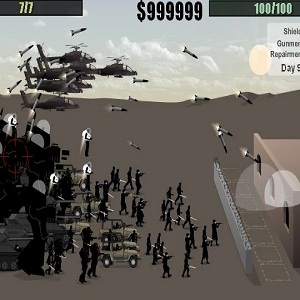
13 Days In Hell, The Last Stand, and Storm the House 3 approach the same pressure from a different angle. Instead of building a long maze of towers, the player defends a fixed position and manages incoming attackers directly. These games still depend on planning, but the emphasis shifts toward prioritizing targets, controlling upgrades, and surviving enough waves to stay ahead of the difficulty curve.
Resource Management Is Often the Real Battlefield
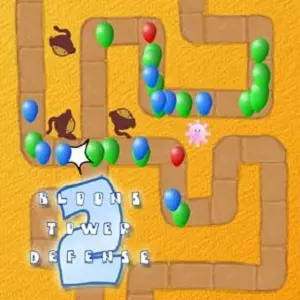
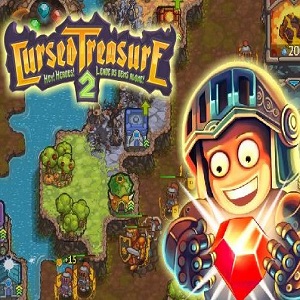
Defense games are rarely about placing everything at once. They usually ask players to spend carefully, then adapt as new resources arrive. Cursed Treasure 2 makes this especially clear by tying defense to upgrade paths and map control, while Toy Defense and the Bloons Tower Defense games build progression around steady investment in stronger tools. The challenge is not simply surviving the current wave but keeping options open for what comes next.
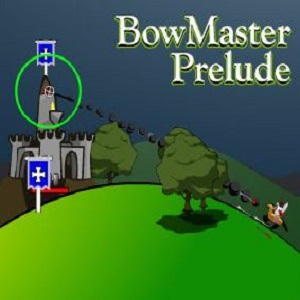
This creates a distinct rhythm. Early decisions can be modest, but they set the foundation for later efficiency. A player who commits too early may lack flexibility, while one who waits too long risks being overrun. In Bowmaster Prelude, that balance appears through resource use and attack timing rather than tower placement, but the same defensive logic still applies: spend with purpose, because every missed opportunity can become a breach.
Fixed Lines and Moving Fronts Create Two Very Different Forms of Defense
Some games in the tag are about holding one location, while others are about building a defensive system that advances across the map. Storm the House 3 and 13 Days In Hell keep the player anchored in one place, which makes aim, target selection, and survival timing central to the experience. The player feels every mistake immediately because the battlefield is compressed.
By contrast, Stick War and Battle Gear 2 treat defense as part of a larger combat economy. Units are produced, positioned, and sent forward, so the defensive layer is tied to territorial control and force composition. That makes these games broader in scope than a pure tower defense setup. Instead of defending a single lane, players manage the front line itself.
Difficulty Usually Builds by Changing the Enemy, Not the Rules
One reason the Defense tag stays readable is that the underlying rules are usually simple. The challenge comes from escalation. In the Bloons Tower Defense series, later waves introduce tougher enemy behavior that forces players to rethink coverage. Cursed Treasure 2 and Vector TD add complexity through map structure and tower roles. Warlords 2 (Rise of Demons) and Stick War extend the idea into larger-scale conflict where the enemy’s growth in numbers or strength changes the meaning of defense itself.
That escalation keeps the genre appealing to different kinds of players. Newer players can understand the basics quickly: stop enemies from reaching a goal, protect a base, survive the wave. More experienced players often stay for optimization, looking for cleaner layouts, tighter build orders, and better answers to special enemy types. In that sense, defense games are built for repetition, but the best ones keep revealing new problems inside the same familiar structure.
Why These Games Keep Players Adjusting Instead of Coasting
The most consistent trait across this tag is that security never lasts for long. A strong setup in Toy Defense or Bloons Tower Defense 3 can still be undone by a new wave pattern, and a confident position in The Last Stand or Storm the House 3 can fail once ammunition, upgrades, or timing fall behind. That prevents defense games from becoming passive. Even when the player has built a reliable system, they still have to watch for cracks.
That ongoing adjustment is what ties the tag together. Whether the game uses towers, soldiers, archers, or a lone defended base, the player is always balancing preparation against pressure. Bowmaster Prelude, Warlords 2 (Rise of Demons), and Battle Gear 2 show that the label can cover different combat styles, but the organizing idea stays the same: hold the line, adapt to the attack, and make each decision support the next one.
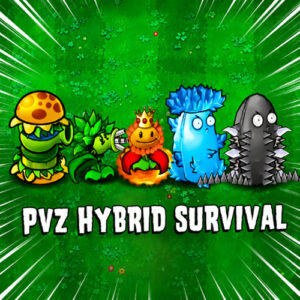 Plants vs Zombies Hybrids
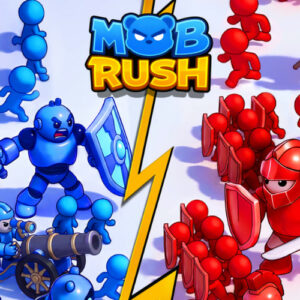 Mob Rush
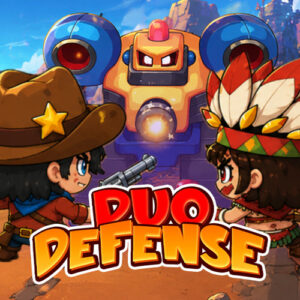 Duo Defense
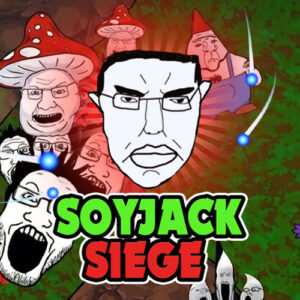 Soyjak Siege
 Garfield War
 Rocket Fortress
 Clash of Vikings
 Rob a Car
 Stickman Empires
 Rob Brainrot 2
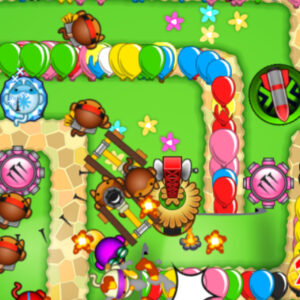 Bloons Tower Defense
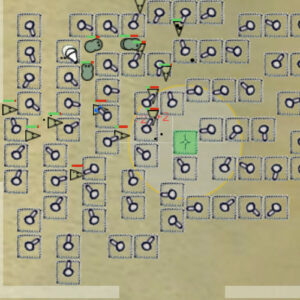 Desktop Tower Defense
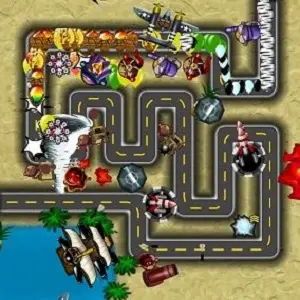 Bloons Tower Defense 4 Expansion
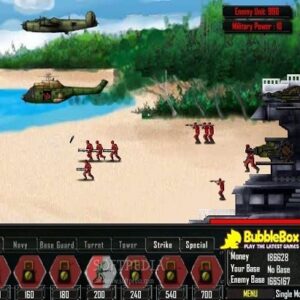 Battle Gear 2
 Warlords 2 (Rise of Demons)
 Bowmaster Prelude
 Bloons Tower Defense 2
 Toy Defense
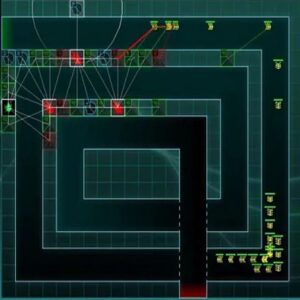 Vector TD
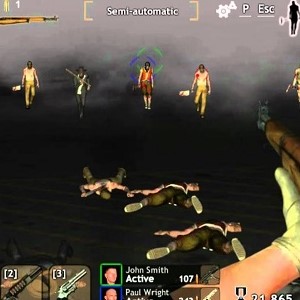 13 Days In Hell
 Stick War
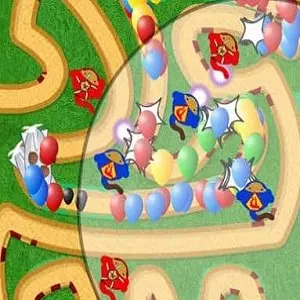 Bloons Tower Defense 3
 The Last Stand
 Cursed Treasure 2
 Storm the House 3