What Battle Games Are Really About
Battle games are less about a single genre than a shared pressure cooker of conflict. The games in this tag span arena shooters, team-based firefights, monster duels, survival brawls, and turn-based combat, but they all center on one question: how do you outlast or outplay an opponent when the match keeps escalating? In Raze 3, Rush Team, and Repuls.io, that answer comes through weapons, positioning, and quick reactions. In Dynamons World, Epic Battle Fantasy, and Sonny 2, it comes through party management, move selection, and long-term progression. Even the more unusual entries, like Poker Quest or Pokemon Clicker, still build tension around confrontation, upgrades, and the accumulation of power.
The tag works because it captures games where combat is the main verb, not just a feature. Sometimes the battlefield is literal, as in TheLast.io, Air Wars 3, or Winter Clash 3D. Sometimes it is structured through lanes, waves, or encounters, as in Galaxy Attack Alien Shooter and Shape Shooter 2. And sometimes the conflict is social and chaotic, as in Zombie Attack, Hungry Shark Arena, or Superhero.io, where survival depends on reading a crowded space and knowing when to commit.
Real-Time Combat: Aim, Movement, and Map Awareness
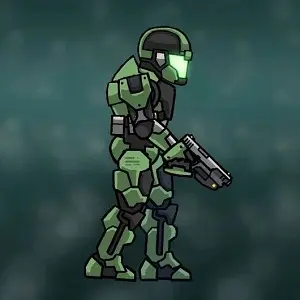
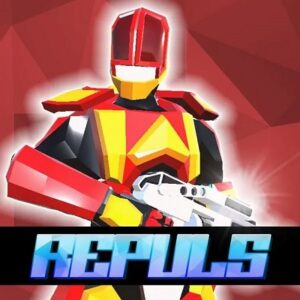
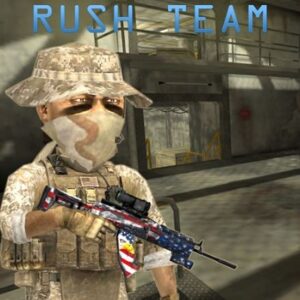
The most immediately recognizable battle games in this tag are the real-time action games. Raze 3, Rush Team, and Repuls.io ask players to move constantly, control recoil or timing, and understand map routes well enough to avoid getting cornered. Their challenge is not just accuracy; it is decision-making under pressure. Do you chase a damaged opponent, hold a lane, or retreat to reset? That split-second judgment is a defining part of the genre.
Air Wars 3 shifts the same logic into the air, where positioning becomes three-dimensional and line-of-sight matters as much as firepower. Winter Clash 3D and Crazy Flasher 3 lean into arcade-style skirmishes with a more direct, often noisier pace, while Stick Fighter strips combat back to timing, spacing, and readable animation. These games are different in presentation, but they all reward players who learn the rhythm of attack, dodge, and counterattack.
Teams, Arenas, and Crowd Control
A different branch of the battle tag focuses on density. Zombie Attack turns combat into a shared defense problem, where players are pushed to coordinate against a growing threat. TheLast.io and Hungry Shark Arena borrow from survival competition, where being aggressive is sometimes necessary but reckless play can erase a lead instantly. Superhero.io follows a similar model of growth in a crowded space, with player strength expanding as the match unfolds and the map gradually becomes more dangerous for newcomers.
These games are built around readable escalation. Early mistakes can be forgiven, but only if the player uses the opening moments to build momentum. That creates a very different emotional structure from fixed-match shooters: instead of starting at full power, you work toward dominance, and every encounter matters because it changes the size of your advantage.
Progression, Collection, and Building a Stronger Squad
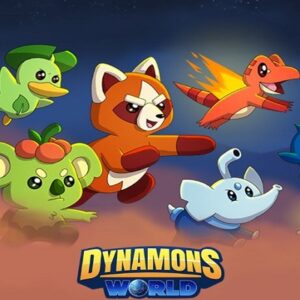
Battle games in this tag also embrace progression systems that stretch conflict beyond a single round. Dynamons World, RAID: Shadow Legends, Epic Battle Fantasy, and Sonny 2 all make battle into a layer of advancement. The player is not only fighting; they are refining a roster, learning status effects or team synergies, and making choices that pay off over time. This is where battle games become strategic rather than purely reflexive.
Pokemon Clicker and Poker Quest approach that same idea from unusual angles. One emphasizes accumulation and growth through repetition, while the other mixes battle logic with a run-based structure where decisions have long-term consequences. In both cases, the appeal comes from building power intentionally rather than simply finding it in the moment. Players who enjoy planning, optimization, and collection tend to stay with these games longer than with purely arcade-driven combat.
How Different Battle Games Test Different Skills
The tag is broad enough that “battle” can mean several kinds of mastery. Galaxy Attack Alien Shooter and Shape Shooter 2 emphasize pattern recognition, bullet management, and steady improvement through repetition. Stick Fighter tests reflexes in a stripped-down format. Granny 3 uses battle more indirectly, creating confrontation through stealth, escape, and risk management rather than direct duels. Crazy Flasher 3 and Winter Clash 3D sit between arcade action and multiplayer combat, keeping the pace fast while still asking players to read the flow of each encounter.
That variety explains why the battle tag holds together despite its range. Some games are about precision aiming, some about team coordination, some about building a stronger roster, and some about surviving longer than everyone else. What connects Raze 3, Repuls.io, Rush Team, Zombie Attack, Air Wars 3, Superhero.io, Dynamons World, and RAID: Shadow Legends is not a single combat system, but the constant push to improve, adapt, and survive inside a conflict-driven loop.
 Cars Arena
 Case Battle
 Kirka.io
 Overtide.io
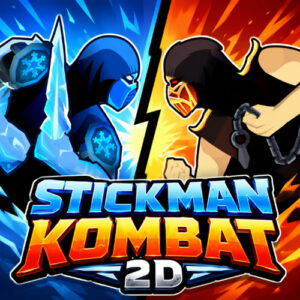 Stick Kombat 2D
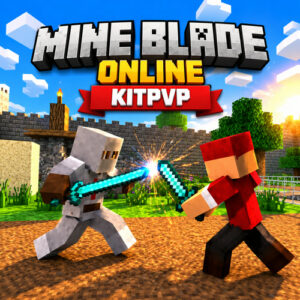 Mine Blade Online Kit PvP
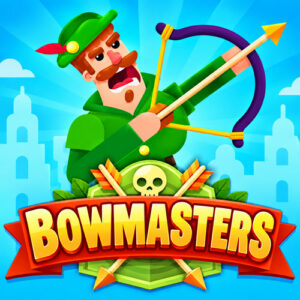 Bowmasters Archery Shooting
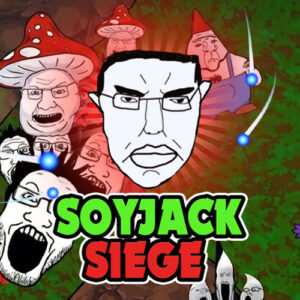 Soyjak Siege
 Hazmob FPS
 Redcoats.io
 RageRoll.io
 Free Fire
 Poxel.io
 2v2.io
 Knockout
 Undertale
 Hollow Knight
 Retro Blaster
 Clash of Vikings
 FNAF World
 Pereelous
 Pokémon Emerald
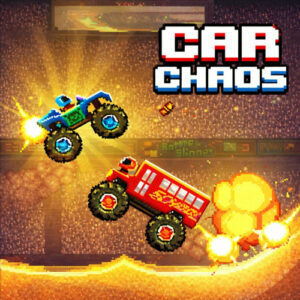 Car Chaos
 Stickman Slash
 City Brawl
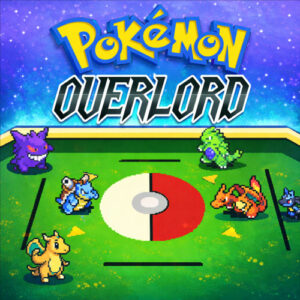 Pokémon Overlord
 Ragdoll Arena
 Stickman Battle
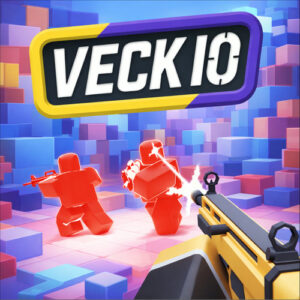 Veck.io
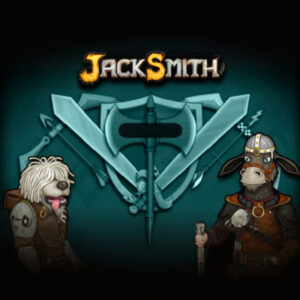 Jacksmith
 Swords & Souls
 Stabfish 2
 Raze 3
 Zombie Attack
 Dynamons World
 TheLast.io
 Repuls.io
 Rush Team
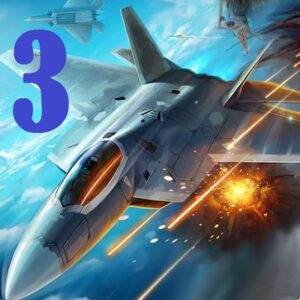 Air Wars 3
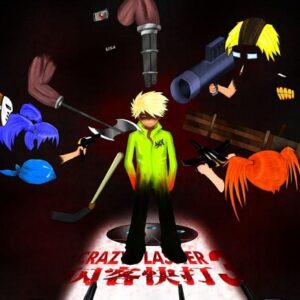 Crazy Flasher 3
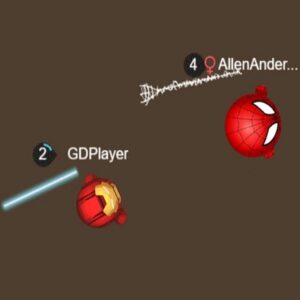 Superhero.io
 Stick Fighter
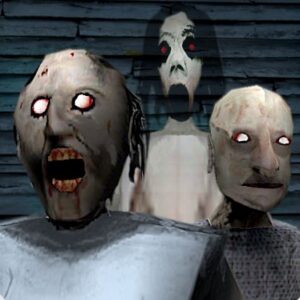 Granny 3
 Winter Clash 3D
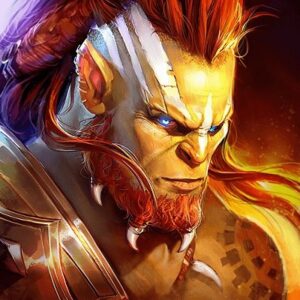 RAID: Shadow Legends
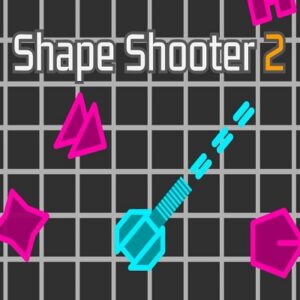 Shape Shooter 2
 Epic Battle Fantasy
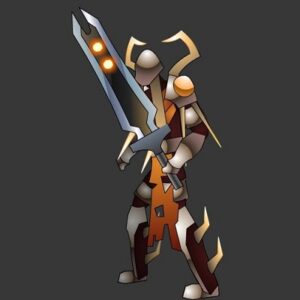 Sonny 2
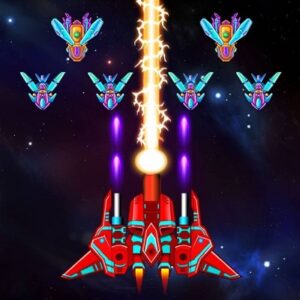 Galaxy Attack Alien Shooter
 Poker Quest