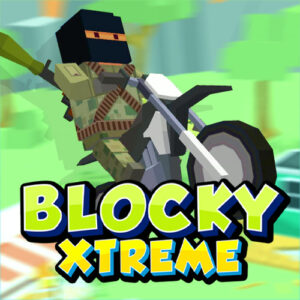
 Blocky Xtreme



Side Scrolling Games Built on Motion, Timing, and Forward Pressure
Side scrolling games are often defined by one clear direction of travel, but the examples in this tag show that the format is much broader than simple left-to-right movement. Sonic Mania Plus, Hollow Knight, and Cactus McCoy use the side-view layout for platforming, combat, and environmental routing, while Happy Wheels, Earn to Die, and Earn to Die 2 push that same perspective into physics, momentum, and hazard management. Even games that lean more toward action or racing, such as Airborne BMX, Skate Dash, and Extreme Pamplona, rely on the side-scrolling frame to make speed, obstacles, and timing immediately readable.
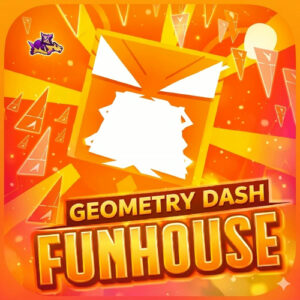
That shared camera angle gives the collection a distinct rhythm. The player is usually judging distance, height, spacing, and timing at a glance. In some games, like Geometry Dash Funhouse and Space Waves, that means reacting to tight obstacle patterns. In others, like Wheel Quest or Fish Dive, the side view supports a more playful sense of travel and control. The tag covers a wide range of difficulty, but the underlying appeal stays consistent: moving through a space where momentum and precision matter more than open exploration.
Speed Runs, Stunts, and the Value of Momentum
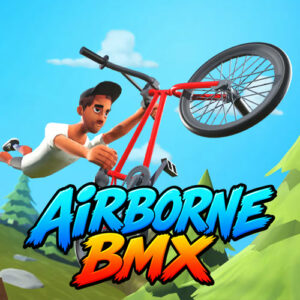
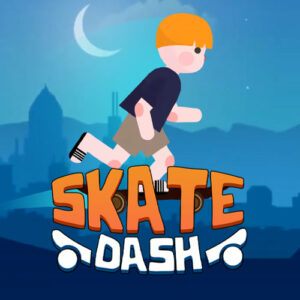
A large part of the tag’s identity comes from games that treat movement as the main skill. Airborne BMX and Skate Dash turn side scrolling into a stunt system, where keeping flow matters as much as clearing obstacles. Extreme Pamplona uses the same viewpoint for chase-driven running, making the player react to sudden changes rather than plan long routes. Geometry Dash Funhouse and Space Waves are even more stripped down, asking for fast pattern recognition and precise input under pressure.
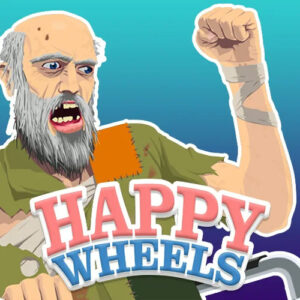
These games reward a different kind of attention than slower platformers. Instead of studying a map or building a strategy, the player learns the timing of jumps, flips, and dodges through repetition. That creates a strong link between failure and improvement. A missed landing in Happy Wheels or a mistimed move in Geometry Dash Funhouse is usually easy to understand, which is part of why these games remain popular in side scrolling form.
Platforming, Combat, and Exploration in the Same Frame
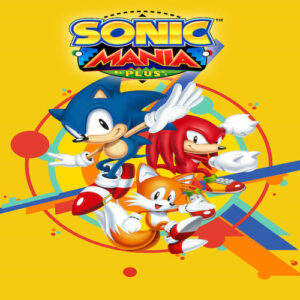
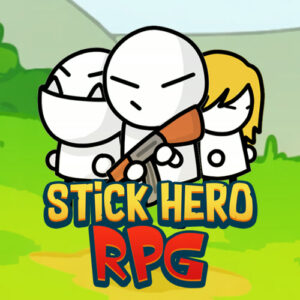
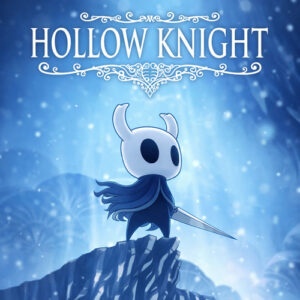
Some of the strongest side scrolling games in this set use the format for more than movement alone. Hollow Knight combines platforming with combat and exploration, showing how the side view can support layered spaces rather than only linear routes. Sonic Mania Plus leans toward fast platforming, but still depends on careful path choice and hazard reading. Cactus McCoy and Stick Hero RPG bring action and progression into the mix, so the perspective supports not just traversal but also encounters, upgrades, and pacing between fights.
That overlap makes the tag especially varied. Some games emphasize route memory and speed, while others ask for tactical movement in a confined space. Side scrolling works well for both because it keeps threats visible and lets designers tune enemy placement, verticality, and spacing very precisely. The result is a format that can feel arcade-like in one game and adventure-driven in another without losing its basic clarity.
Physics, Vehicles, and the Humor of Failure
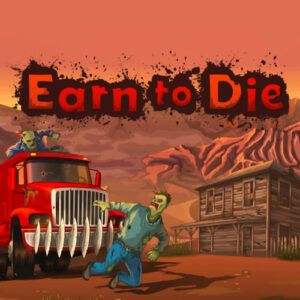
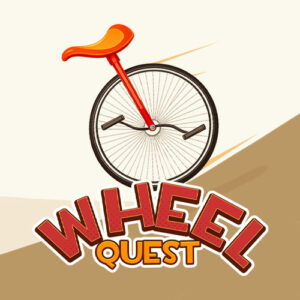
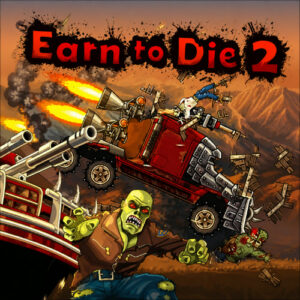
Vehicle-based and physics-led games use the side-scrolling view in a different way. Earn to Die and Earn to Die 2 build their appeal around momentum, upgrades, and repeated attempts to push farther through dangerous terrain. Wheel Quest follows a similar logic, where forward movement is tied to terrain handling and careful control. Happy Wheels takes the idea in a more chaotic direction, using ragdoll physics to turn every obstacle into a potential chain reaction.
These games often feel less about perfect execution and more about experimenting with what happens when speed meets unstable movement. The side view makes that experimentation easier to read. A slope, ramp, or collision is instantly visible, so success and failure both feel physically grounded. That is one reason this style fits so well with crash-heavy design and upgrade loops.
Multiplayer, Competition, and Versus Pressure
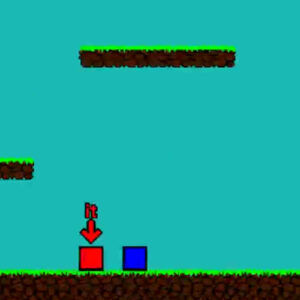
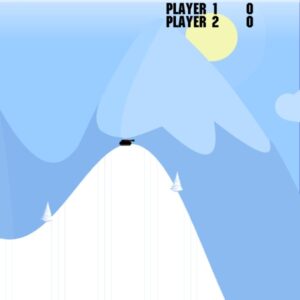
Not every side scrolling game in the tag is focused on solo progression. 2 Player Tag and Tanks show how the format can support direct competition, where positioning matters more than raw exploration. In these games, the flat side-on presentation keeps both players aware of space, movement lanes, and timing windows. That clarity is especially useful when two players are reacting to each other rather than to the environment alone.
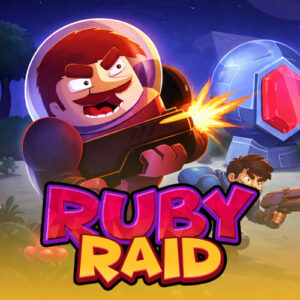
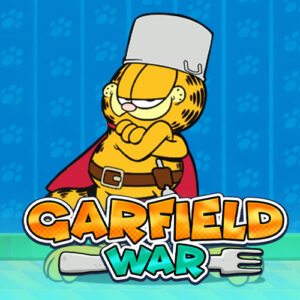
Garfield War and Ruby Raid also suggest a more confrontational use of the side-scrolling structure, with action centered on movement through hostile spaces. The perspective creates a practical arena for duels, chases, and advancing lines of attack. Side scrolling is not just a platforming layout here; it becomes a way to organize confrontation so that each action has a readable consequence.
Variety Within a Familiar Side View
The range of games in this tag shows how flexible side scrolling can be. Fish Dive uses it for underwater navigation, while Blocky Xtreme and Space Waves lean into more abstract obstacle handling. Wheel Quest and Airborne BMX focus on propulsion and balance, while Hollow Knight and Cactus McCoy use the same layout for combat-heavy progression. Even the more comedic or experimental entries, such as Happy Wheels and Extreme Pamplona, depend on the side view to make their movement systems legible.
That variety is what gives the tag its staying power. The camera angle may be consistent, but the goals change sharply from game to game: survive longer, move cleaner, land tricks, defeat enemies, or clear obstacle patterns with better consistency. Side scrolling remains useful because it supports all of those goals without burying the player in information.