Classic Games and the Appeal of Familiar Systems
The Classic tag brings together games that rely on established rules, readable objectives, and mechanics that have stayed recognizable over time. Some titles lean on arcade-style reflexes, such as Snake, Pinball Master, and Gold Miner Special Edition, while others work from older console or PC design traditions like Sonic Mania Plus, Pokémon Emerald, and Stick RPG Complete. The shared thread is not age alone, but a design language built around clear feedback, repeatable play, and systems players can learn without long tutorials.
This tag also includes games that preserve a specific era of pacing. Old School Rally and Retro Sports Champion emphasize straightforward control schemes and immediate performance testing. Tetrix Online and 2048 Rogue show another side of the classic label: compact logic games that turn simple inputs into long-term decision making. Even when the genres differ, the structure often feels stripped to essentials, which makes mistakes visible and mastery easy to measure.
Arcade Reflexes and Repeatable Score-Chasing
Several of these games are built around short sessions and fast recovery after failure. Snake remains a clean example of path management under tightening space, where every move changes future options. Pinball Master uses bounce physics and momentum to keep attention on timing rather than route planning. Gold Miner Special Edition asks for precision under a countdown, turning each pull of the claw into a small risk calculation.
Tetrix Online belongs to the same broad arcade tradition, even though its pressure comes from board control rather than speed alone. The goal is usually simple, but the challenge comes from consistency. That is also true of Retro Sports Champion, where familiar sports actions are condensed into a format that rewards timing, rhythm, and repeated attempts. In this part of the tag, success is measured in control, not complexity.
Strategy Built on Clear Rules
Another group of classic games keeps the mechanics accessible while asking for longer planning. Bloons Tower Defense is a strong example of layered defense: the early stages are forgiving, but each wave creates pressure to place, upgrade, and adapt. Plants Vs Zombies follows a similar pattern, using simple placement rules to create tension through lane management and resource timing. Both games show how classic design often hides strategy inside easy-to-read systems.
2048 Rogue and Tetrix Online also fit this pattern from different angles. One turns number merging into route planning, the other turns block placement into spatial discipline. Neither depends on complicated controls. Instead, they ask players to manage limited space, anticipate future states, and avoid irreversible mistakes. That makes them approachable at the start and demanding over longer sessions.
RPG and Adventure Traditions That Still Hold Up
The classic tag also includes games with more open-ended progression. Pokémon Emerald represents the structured adventure format: exploration, battle preparation, and steady team growth all matter at once. Stick RPG Complete takes a different path, leaning into life-sim style choices, stat building, and open-ended interaction. Hobo pushes that framework toward chaotic action, but it still follows the familiar rhythm of advancing through stages and learning enemy patterns.
What connects these games is the sense that progress should remain legible. Players can see levels rise, routes open, and encounters become manageable through experience. Unlike the tighter arcade titles in the tag, these games often reward longer investment. They are classic in a broader design sense because they favor accumulation, repetition, and the satisfaction of building strength over time.
Movement, Momentum, and the Value of Familiar Control
Sonic Mania Plus and Old School Rally highlight a different classic principle: control that feels immediate and readable. In platforming, momentum matters because speed is useful only when it is directed well. In racing, the same idea becomes handling, braking, and clean lines through turns. These games rely on players learning how movement behaves rather than memorizing large rule sets.
That emphasis on physical feel is a major reason classic games remain appealing. The controls are usually easy to understand, but difficult to master. A run in Sonic Mania Plus depends on preserving flow while reacting to hazards. Old School Rally asks for patience and precision in a format that leaves little room for sloppy input. The challenge comes from refinement, not invention.
Why the Classic Tag Covers Such Different Audiences
The games in this tag attract different kinds of players because “classic” can mean several things at once. For some, it signals arcade immediacy through Snake, Pinball Master, or Gold Miner Special Edition. For others, it points to layered strategy in Bloons Tower Defense and Plants Vs Zombies. Some players want long-form progression from Pokémon Emerald or Stick RPG Complete, while others prefer the compact challenge of 2048 Rogue and Tetrix Online.
That variety is part of the tag’s identity. The common ground is not one genre, but a shared commitment to direct mechanics, recognizable goals, and systems that reward practice. Whether the game is about clearing lanes, surviving longer, building a team, or keeping momentum, the appeal comes from learning a structure that feels established and letting skill develop inside it.
 Yahtzee
 Sonic Mania Plus
 Retro Sports Champion
 Old School Rally
 Tetrix Online
 2048 Rogue
 Snake
Snake
 Pinball Master
 Plants Vs Zombies
 Pokémon Emerald
 Bloons Tower Defense
 Stick RPG Complete
 Hobo
Hobo
 Gold Miner Special Edition
 Dominoes Classic
 Classic Backgammon
 Mahjong Real
 Blackjack
 Taylor Swift 2048
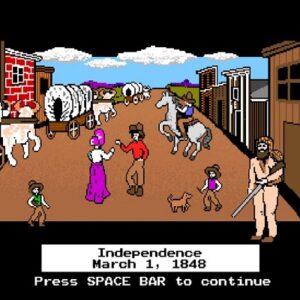 The Oregon Trail
 Rock Paper Scissors
 Google in 1998
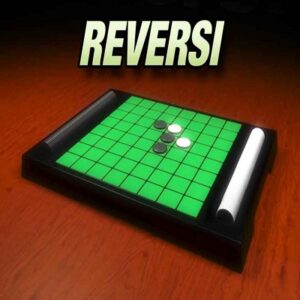 Reversi
 Mahjong 247
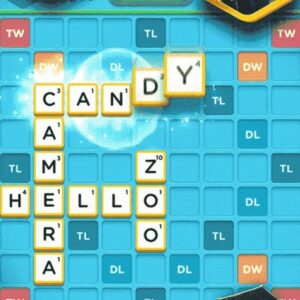 Scrabble Online
 Do a Barrel Roll
 Bored Button
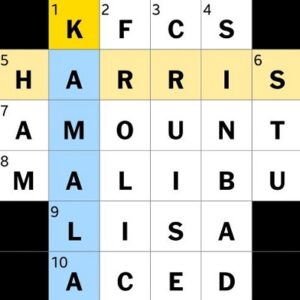 Mini Crossword
 Google Solitaire
 Mahjongg Dimensions
 Outspell
 Nonogram
 Parcheesi
 Block Puzzle
 Free Tetris
 Mahjong Dark Dimensions
 Ludo King
 Word Search
 Mahjong Alchemy
 Mahjong Connect
 2048 Cupcakes
 A Link to the Past
 Dominoes
 Brain Teaser
 Spades
 Arkanoid
 Mahjong Link
 Frogger
 Atari Breakout
 SkiFree