What Ball Games Are Really About
Ball games on browser pages cover a surprisingly wide range of ideas, but they usually revolve around one thing: controlling motion. Sometimes that means launching a ball with precision, as in Bricks Breaker, Core Ball, and Ballistic, where angles, timing, and rebound patterns matter more than raw speed. In other cases, the ball is the player’s body, as in Slope 2, Roller Baller, and Rolly Vortex, where the challenge is to guide momentum through narrow spaces and avoid mistakes that build quickly. The appeal comes from how simple the objects look and how much skill is hidden inside them.
That simplicity gives the tag a broad identity. A ball can be a projectile, a sports object, a puzzle piece, or a physics challenge. The games here lean into all of those roles, which is why the tag fits everything from Mini Golf Club and Carrom Online to Om Nom Bubbles and Cannon Basketball. The shared language is not one specific sport or genre, but the pleasure of judging force, trajectory, and space.
Angle, Bounce, and the Satisfaction of Clean Shots
Many of these games ask players to think like a tactician rather than a button-masher. Bricks Breaker and Ballistic revolve around chaining hits and exploiting ricochets, so a good move is usually the one that creates several future moves. Core Ball narrows that idea into a stricter timing puzzle, where each launch has to fit into a pattern without colliding. Om Nom Bubbles uses a similar shooting logic, but the target structure makes each shot feel more like a puzzle than a pure reflex test.
These games reward players who can read the geometry of a stage at a glance. That same habit shows up in Cannon Basketball and Basket and Ball, where the path of the shot matters as much as the destination. The fun is not simply scoring; it is solving the shot.
Sports Skills Reframed as Precision Challenges
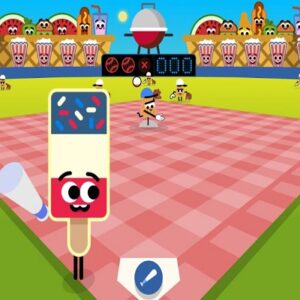
Several games take familiar sports and strip them down to a sharper, more focused form. Table Tennis World Tour emphasizes timing, positioning, and response speed, while Google Doodle Baseball and Doodle Cricket turn batting into a rhythm exercise built around reading pitches and connecting at the right moment. Cricket World Cup keeps that sporting focus but leans more toward competition and progression, giving the ball a more traditional match setting.
Mini Golf Club sits slightly apart from the bat-and-hit group because it is less about reaction and more about route planning. Like the other sports-based entries, though, it still asks players to master a predictable object in a constrained space. The challenge is often not the ball itself, but the way the environment shapes it.
Physics Puzzles and Movement Under Pressure
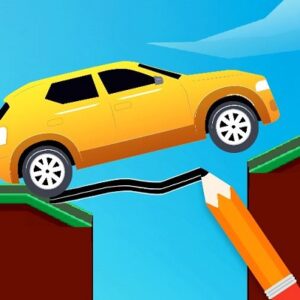
The physics-driven side of the tag is where the ball becomes a constant problem to manage. CircloO and CircloO 2 build their identity around momentum and continuous movement, making forward progress depend on learning how the ball interacts with slopes and terrain. Draw Bridges adds a planning layer by letting players create paths before motion begins, so success depends on anticipating where gravity and balance will take the ball next.
Roller Baller, Rolly Vortex, and Slope 2 use similar principles in a faster, more hazard-heavy format. These games are less about solving a static puzzle and more about adapting in real time as the course changes. Small errors snowball quickly, which gives mastery a clear shape: better control, better anticipation, fewer recoveries needed.
From Casual Play to Competitive Rounds
The tag also includes games built around direct competition or score chasing. Table Tennis World Tour and Carrom Online use ball-based play in a head-to-head framework, where the player is not simply clearing a stage but outthinking an opponent. Cricket World Cup and the doodle sports games create a lighter version of that same loop, replacing tactical depth with immediate readable actions and quick outcomes.
Even the more solitary games often borrow competitive logic through scoring, streaks, or level efficiency. Bricks Breaker asks how far a setup can be pushed before the board fills. Mini Golf Club measures how cleanly a course can be finished. Dunk Shot focuses on consistency, turn after turn, with each shot building pressure on the next one.
Where Ball Games Differ Most
What separates these games is not the presence of a ball, but the kind of control they demand. Core Ball and Ballistic are about timing and placement. Mini Golf Club and Draw Bridges are about planning a path. Slope 2 and Rolly Vortex are about staying alive under speed. Google Doodle Baseball, Doodle Cricket, and Table Tennis World Tour use sports timing to make the same object feel like part of a reflex test.
That variety is why the ball tag stays broad without feeling vague. It covers puzzle play, arcade motion, sports timing, and competitive skill, but all of them still hinge on the same core question: how do you control a moving object when the rules of the space are constantly pushing back?
 Retro Bowl
 Bowling Master
 Pool Mania
 Football Penalty 2026
 Stack Ball 3D
 Sphere Rush
 Hoops Rush
 Penalty Shooter: Soccer Cup 2026
 Tennis Masters 2026
 Soccer Aiming Simulator in 3D
 Cricket Online
 Basketball Hit
 Soccer Legend Online
 Bat Smash 2
 Ball Breaker
 Free Kick Master
 Soccer Strike
 Speed Slope
 Rotate Rush
 Color Surfer
 Red Ball 4
 Drop Stack Ball
 Golf Orbit
 Soccer Legends 2026
 Football Bros
 Slope
Slope
 9 Ball Pool
 Pinball Master
 Golf Puzzle
 Slide Down
 Curve Rush 2
 Orbit Kick
 Golf Hit
 Curve Rush
 Volleyball Legends
 Glide In
 RocketGoal.io
 Ping Pong
 Sports Heads Soccer
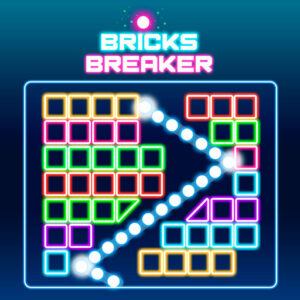 Bricks Breaker
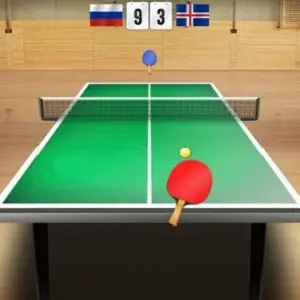 Table Tennis World Tour
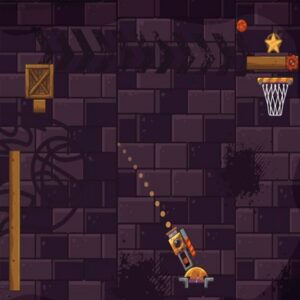 Cannon Basketball
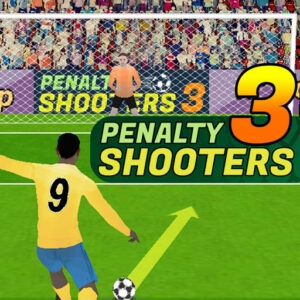 Penalty Shooters 3
 Penalty Shooters 2
 Dunk Shot
 Mini Golf Club
 Basketball FRVR
 Draw Bridges
 CircloO 2
 Google Doodle Baseball