 Tetrix Online

Tetris-Style Puzzles Built Around Placement and Pattern Control
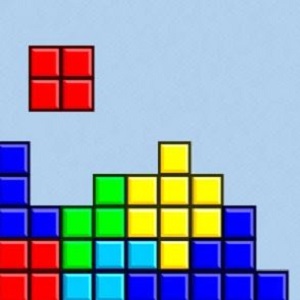
The Tetris tag covers block puzzle games that turn simple shapes into constant planning problems. Tetrix Online, Free Tetris, and Tentrix keep the familiar falling-piece structure at the center, where the main task is not just clearing lines but staying organized under pressure. Other games in the group, such as 10×10, Wood Blocks, Block Champ, and Sandtrix, widen the formula by changing how pieces arrive, how the board fills, or what counts as a successful placement.
What ties them together is a shared emphasis on spatial judgment. Every move affects the next few turns, and the board can become difficult to recover from if early placements leave awkward gaps. That gives the tag a strong rhythm: place, read the board, adjust, and keep the playfield open long enough to continue.
Line Clearing Is Only Part of the Job
Classic Tetris design rewards full rows, but the games in this tag also push players to think about structure. In Free Tetris and Tetrix Online, clearing lines efficiently matters because it opens space and creates cleaner stacking options. Yet overfocusing on immediate clears can be a mistake if it produces holes or uneven columns. The real challenge comes from balancing short-term scoring with long-term board health.
Block Champ and Tentrix lean into that same logic in different ways. Instead of treating every shape as a direct path to row removal, they ask for better board reading and sharper placement discipline. The result is a style of play where smart positioning often matters more than rapid clicking or speed alone.
Boards, Shapes, and the Pressure of Limited Space
Some of these games create tension by constraining space more aggressively. 10×10 uses a fixed grid that steadily narrows the player’s options as the board fills, which makes each placement feel more deliberate. Wood Blocks follows a similar block-fitting logic, but the presentation shifts the focus toward puzzle arrangement rather than the urgency of falling pieces. The board itself becomes the main opponent.
Sandtrix stands out because it gives the tag a looser, more fluid interpretation. Even so, it still depends on the same core skill: seeing how a piece can fit into an evolving layout without making later turns harder. Compared with traditional Tetris, the tension comes less from reflexes and more from anticipating shape interactions over time.
Speed, Planning, and Recovery Habits
In this tag, players are constantly managing recovery. A clean stack buys time; a messy stack creates pressure. Tetrix Online and Free Tetris usually feel closer to classic arcade pacing, where the board can escalate quickly and mistakes snowball. That makes efficiency important, but it also highlights an underrated skill: knowing when to stabilize instead of forcing an aggressive placement.
10×10 and Wood Blocks shift that pressure into a slower form. Because pieces are often placed one at a time with no immediate drop-driven urgency, the challenge becomes conservation. Players need to preserve open shapes, avoid isolating corners, and think several moves ahead. The best runs are often built on restraint rather than boldness.
Why This Tag Attracts Different Puzzle Players
The appeal of Tetris games is broad because the rules are easy to read but difficult to master. Some players want the timing and recovery demands of Tetrix Online or Free Tetris. Others prefer the slower logic of 10×10 and Wood Blocks, where every choice is visible and reversible only for a short time. Block Champ and Tentrix sit in the middle, offering shape-based decision-making without relying only on speed.
That variety keeps the tag useful for different moods. It can support quick sessions, careful puzzle solving, and score-chasing play without leaving the basic Tetris idea behind. Even when the presentation changes, the core satisfaction stays the same: fitting a piece cleanly and preserving enough space to keep going.