Survival Under Pressure Across Shooters, Horror, and Crafting
The Survival tag brings together games that ask for more than fast reactions. The common thread is pressure: limited space, constant threats, and decisions that matter because mistakes are hard to recover from. That can mean holding a position in Airport Clash 3D, fighting through swarms in Zombie Attack and Horde Killer: You vs 100, or trying to stay alive in the tense stealth-horror pacing of Granny 3. In some games, survival is about clearing waves. In others, it is about staying hidden, staying supplied, or staying one step ahead of stronger opponents.
This tag does not point to one genre. It gathers arcade shooters, horror escapes, multiplayer conflict, and even survival-crafting in Aground and Taming.io. That variety matters because the goal is rarely just to “win” a round. Survival games usually ask players to manage risk, read the environment, and make short-term choices that affect the next phase of play.
Combat Survival Is Often About Positioning, Not Just Firepower
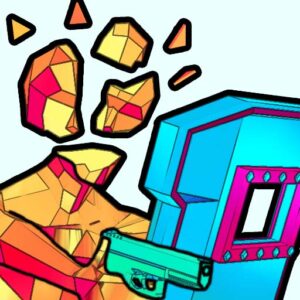
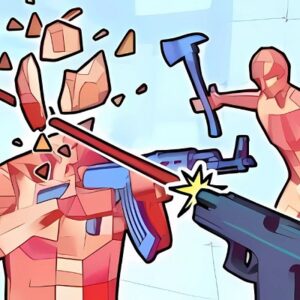
Several of the featured games turn survival into a test of movement and angle control. The Time Shooter series, including Time Shooter and Time Shooter 3, slows down the action enough to make positioning central. Time Shooter 3: Swat pushes that idea into more tactical territory, where surviving means clearing space intelligently instead of rushing forward.
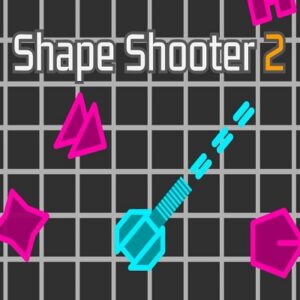
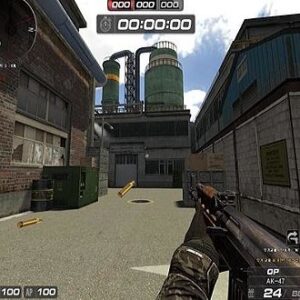
Shape Shooter 2, Shape Shooter 3, and Funny Shooter follow a similar logic, even if their styles differ. Enemies come in pressure-heavy patterns, and survival depends on constant movement, target priority, and knowing when to retreat. Rush Team and Sudden Attack add a more traditional multiplayer layer, where surviving long enough to influence the match often comes down to map knowledge and timing rather than pure aggression.
Waves, Swarms, and the Discipline of Holding Out
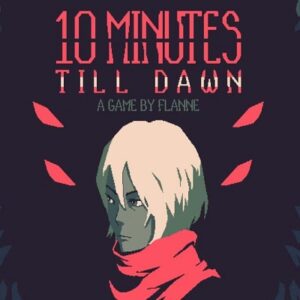
A major branch of the Survival tag is built around endurance. Zombie Attack, 10 Minutes Till Dawn, Horde Killer: You vs 100, and Zombie Derby all place the player in situations where enemies keep coming and the real challenge is staying functional under escalating pressure. The appeal comes from momentum: each minute alive feels earned, but each new wave also forces adaptation.
These games often reward simple rules executed cleanly. In 10 Minutes Till Dawn, the survivor structure turns weapon choice and build direction into the main decision layer. In Zombie Attack and Horde Killer: You vs 100, crowd control and spacing matter more than precision alone. Zombie Derby changes the formula by putting survival on wheels, where vehicle durability and enemy impact become part of the challenge.
Horror Survival Uses Fear as a System
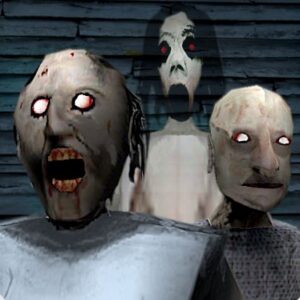
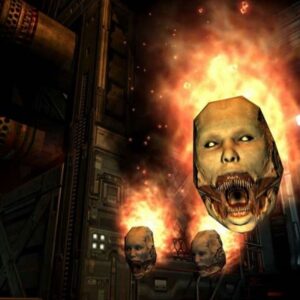
Granny 3, Doom 3, and Scary Teacher 3D approach survival through tension rather than direct firefights. The objective is not simply to overpower threats but to avoid being caught, exposed, or trapped. That changes player behavior. Movement becomes cautious, sound matters more, and route planning can be more important than confrontation.
Horror survival games in this tag tend to create stress through uncertainty. Granny 3 leans on stealth and escape routes, while Doom 3 places survival inside darker, more dangerous combat spaces. Scary Teacher 3D uses a lighter tone, but the structure still depends on sneaking, timing, and avoiding detection. The shared design pattern is clear: survival is built from information control, not brute force.
Crafting and Growth Turn Survival Into a Long Game
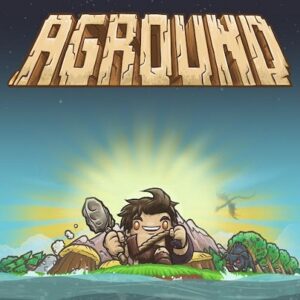
Not every survival game in the tag is about immediate danger. Aground and Taming.io show how the genre can stretch into development, gathering, and gradual strengthening. In these games, staying alive is tied to resource collection, upgrading, and building a stable footing against future threats. The tension shifts from one encounter to the next stage of survival.
This is a different kind of pressure from the wave-based shooters. Rather than asking for constant twitch reactions, these games reward planning and persistence. Progress becomes part of survival itself. That makes them appealing to players who enjoy systems that grow over time, where each improvement changes what is possible in the next encounter.
Social Tension and Unstable Alliances
Among Us brings a different survival structure into the tag: surviving social suspicion. Here the threat is not only physical elimination but also being identified, isolated, or outvoted. The core tension comes from reading other players and managing information carefully.
That social layer also connects, in a looser way, with competitive games like Airport Clash 3D, Rush Team, and Sudden Attack. In these matches, survival often depends on reading opponents faster than they read you. The environment may differ, but the pressure is similar: stay aware, avoid overcommitting, and treat every encounter as a test of control.
Why the Survival Tag Attracts Very Different Players
The strength of this tag is its range. Some players come for the tight combat of Time Shooter 3 and Shape Shooter 3. Others prefer the anxiety of Granny 3 or Doom 3. Some want progression-heavy systems like Aground and Taming.io, while others enjoy the compact intensity of 10 Minutes Till Dawn or Zombie Attack.
What links them is the satisfaction of lasting longer because decisions improved. The survival label fits games where survival is not passive endurance but an active skill set: movement, resource use, stealth, cooperation, adaptation, and sometimes deception. Across this tag, the defining feature is that every action is judged by whether it helps the player stay in the game a little longer.
 Deadshot Io
 Airport Clash 3D
 Zombie Attack
 Rush Team
 Time Shooter 3: Swat
 Granny 3
 Shape Shooter 2
 Scary Teacher 3D
 Shape Shooter 3
 Bank Robbery
 10 Minutes Till Dawn
 Doom 3
 Aground
 Time Shooter 3
 Time Shooter
 Horde Killer: You vs 100
 Funny Shooter
 Among Us
 Taming.io
 Zombie Derby
 Sudden Attack
 ShooterZ
 WorldZ
 Slendrina Must Die: The House
 Krampus
 Modd.io
 Zombie Craft
 Left 4 Dead
 Drednot.io
 Wings.io
 Fishy
Fishy
 Paper Minecraft
 Mope.io
 Snake Io
 Krew.io
 Nugget Royale
 Thing Thing Arena 2
 Deeeep.io
 Raaaaft.io
 Jeff the Killer
 Clustertruck
 Stickman Battle Fight Warriors
 the Impossible Game
 Slenderman
 Winterbells
 Fox Simulator
 Geometry Dash Online
 Thing Thing Arena
 Funny Shooter 2
 Flyordie.io