RPG Games Built Around Growth, Build Choice, and Long-Term Payoff
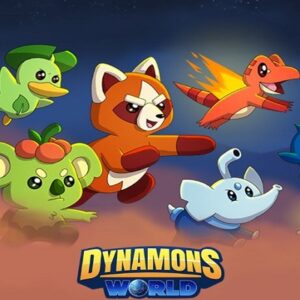
RPG games on browser platforms cover a wide stretch of design, but the common thread is progression that matters. The games in this tag rarely stop at simple moment-to-moment action; they ask players to improve a character, unlock new options, and make decisions that shape future runs or campaigns. Dynamons World and RAID: Shadow Legends lean into party collection and stat-driven combat, while Sonny 2, The Binding of Isaac, and Poker Quest push build variety through run-based systems and layered upgrades. At the other end, Stick RPG and Stick RPG 3 focus more on character development and life progression than on pure battle loops.
That range is what gives the tag its identity. Some games are built around careful optimization, others around discovery and experimentation, and a few combine role-playing with survival, strategy, or sandbox-style freedom. Even when the core mechanics differ, the appeal is the same: start with limited tools, then shape a stronger, more specialized character over time.
Battle Systems That Reward Preparation
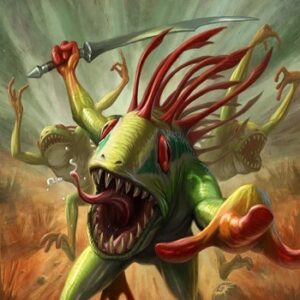
Combat-heavy RPGs in this collection usually favor planning over reflexes. RAID: Shadow Legends and Hero Wars are built around assembling teams with complementary roles, where team composition often matters as much as raw power. Dynamons World uses creature collection and matchup knowledge in a way that recalls turn-based party building, while Murloc RPG and Sonny 2 keep the focus on turn structure, ability timing, and stat growth.
Even games with simpler presentation can still rely on tactical decisions. The player is often choosing when to attack, when to defend, and which upgrades support a preferred style. That makes the RPG tag attractive to players who enjoy systems that reveal their depth gradually. The challenge is less about fast input and more about reading enemy patterns, understanding synergies, and building toward a stronger late game.
Runs, Loadouts, and the Value of Adaptation
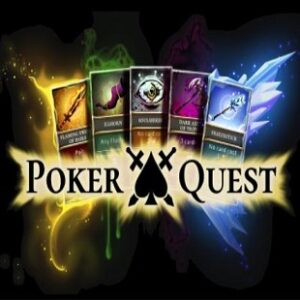
Several games in the tag take the RPG structure and fold it into repeatable runs. The Binding of Isaac is the clearest example of a system where randomization changes the shape of each attempt, but Poker Quest follows a similar philosophy by turning familiar turn-based choices into a build puzzle. These games ask for adaptation because the player rarely receives the same set of tools twice.
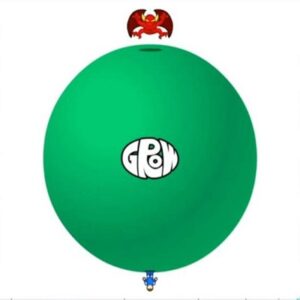
That approach creates a different kind of role-playing identity. Instead of planning a perfect character from the start, players assemble power from what appears during the run. Grow RPG also fits here in spirit, since its progression encourages experimentation with how growth unfolds. This subset of RPG games appeals to players who like improvisation, but still want the satisfaction of building something coherent out of uncertain parts.
Open-Ended Progression Beyond Combat
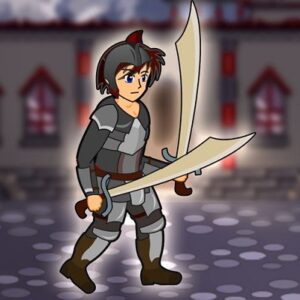
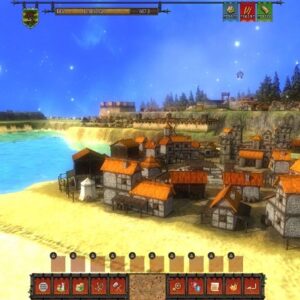
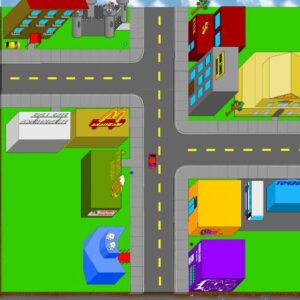
Not every RPG on this tag is centered on battles. Stick RPG and Stick RPG 3 are notable for treating role-playing as a broader life simulation, where stats, routines, and economic choices shape the experience. A Dark Room moves in a different direction again, using minimal presentation to emphasize survival, resource management, and discovery. Feudalism and Feudalism 3 mix combat with territorial expansion and faction-oriented advancement, which gives progression a more strategic and campaign-like feel.
These games show how flexible the RPG tag can be when progress is not limited to combat levels. Building income, expanding influence, managing resources, or unlocking new systems can be just as central as raising attack power. For players who enjoy long-form development, the attraction lies in watching a small starting setup turn into something larger and more capable through consistent decisions.
Characters, Teams, and the Pull of Specialization
One of the strongest patterns across the tag is specialization. RPG games often ask players to define what a character or party should do well, then support that identity through equipment, skills, or class-like structure. RAID: Shadow Legends, Hero Wars, and Dynamons World all emphasize building around distinct units or creatures, while Sonny 2 and Murloc RPG give more direct control over an individual character’s growth path.
That focus creates meaningful trade-offs. A stronger offensive build may leave fewer defensive options. A balanced team may progress more safely but less efficiently. RPG players tend to enjoy these decisions because they make advancement feel earned rather than automatic. The best outcomes usually come from understanding how different abilities, roles, or stat paths interact over time.
Freedom, Challenge, and the Different Paces of RPG Play
The tag also spans very different pacing styles. Parkour Block 3D and Tibia sit near the more action-oriented edge, where movement, survival, and persistence shape the experience alongside character growth. A Dark Room and Grow RPG move more slowly, placing emphasis on unfolding systems and careful management. Feudalism 3 and RAID: Shadow Legends sit somewhere in between, giving players a steady rhythm of combat, upgrades, and new decisions.
This variety explains why RPG games attract such different audiences. Some players want quick tactical encounters. Others prefer long-term planning, resource accumulation, or open-ended progression. The tag can support all of those styles because role-playing is less about a single mechanic than about persistence, identity, and the sense that each decision changes what comes next.
 Shadow Fight 2
 Stick Hero RPG
 EmberQuest.io
 Rocket Fortress
 Deltarune TurboWarp
 Undertale
 FNAF World
 Pereelous
 Pokémon Emerald
 Swords & Souls
 Stick RPG Complete
 Doodle Champion Island
 Swords and Sandals
 Block Craft 3d
 Dynamons World
 RAID: Shadow Legends
 Sonny 2
 Poker Quest
 A Dark Room
 Feudalism 3
 Grow RPG
 Feudalism
 Parkour Block 3D
 Hero Wars
 Murloc RPG
 A Link to
 Stick RPG 3
 Tibia
Tibia
 The Binding of
 Stick RPG