 +1 Speed Monkey Escape



Monkey Games Range From Mischief To Careful Defense
The Monkey tag covers a surprisingly wide spread of browser game design, even when the common thread is obvious animal branding or a monkey at the center of the action. Some games use monkeys as playful problem-solvers, while others build entire strategy systems around monkey troops, towers, and resource flow. Bloons Monkey City, Bloons Tower Defense 4 Expansion, and Bloons Tower Defense 3 place monkeys into structured defense layouts, while Monkey Quest and Monkey Mart lean more toward progression and task management. The tag also includes lighter reflex-based or comic entries like Swing Monkey, Spank the Monkey, and Monkey Go Happy, showing how flexible the theme can be when it is used for different styles of play.
Towers, Routes, and the Logic of Monkey Defense
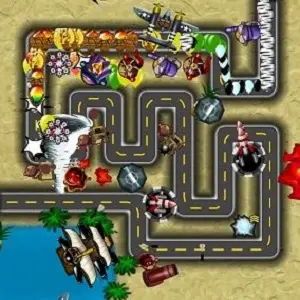
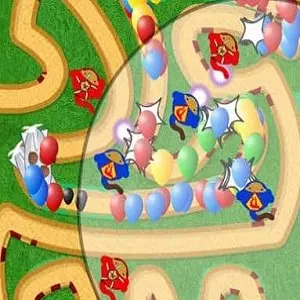
The strongest pattern in this tag is the tower defense format. Bloons, Bloons Tower Defense 3, and Bloons Tower Defense 4 Expansion all build on the same core idea: place monkey defenses, manage coverage, and respond to increasingly difficult enemy paths. Bloons Monkey City expands that structure further by tying defense to city-building progression, which changes the player’s focus from single-map survival to broader strategic growth. In these games, monkey units are not just decorative; they create overlapping attack zones, force decisions about placement, and reward forethought more than speed.
That difference matters. A game like Bloons emphasizes the basic loop of popping waves efficiently, while the later tower defense entries demand more planning around upgrade timing and long-term lane control. The monkey theme fits this style well because it supports a clear visual language: each unit reads as a distinct tool in a larger defensive system.
Progression and Management Give the Tag More Structure
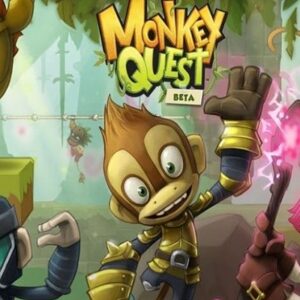
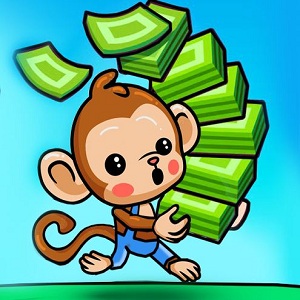
Not every monkey game is about reacting to waves. Monkey Mart shifts the focus toward operating a business-like loop of production, stocking, and expansion, which makes the tag feel closer to management than action. Bloons Monkey City also pushes in this direction by connecting combat success with development, so progression is not just about winning a level but about building a larger system over time. Even Monkey Quest suggests a more guided journey than a one-off challenge, with the monkey theme used to frame advancement through tasks and objectives.
This management side of the tag tends to attract players who enjoy steady growth and visible improvement. Instead of asking only for reflexes, these games ask for sequencing: what gets built first, what gets upgraded next, and how one decision affects the next stage of play. That creates a different kind of pressure than action games like Spank the Monkey or Swing Monkey, where the challenge is immediate and more physical in feel.
Movement and Timing Keep the Lighter Games Distinct
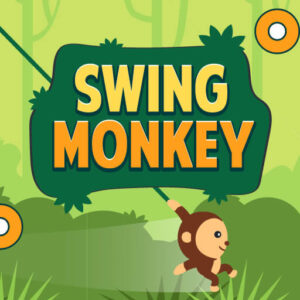
Swing Monkey and Spank the Monkey show another side of the tag, one built around timing, motion, and short-form interaction. These games are less about layered systems and more about a single repeated action that needs to be judged correctly. In Swing Monkey, the appeal comes from momentum and release timing, while Spank the Monkey uses simple input and reaction speed as the main challenge. Both are easy to read at a glance, but they differ in rhythm: one is about controlled movement, the other about quick response and comic precision.
That contrast helps explain why the Monkey tag works across such different audiences. Some players want strategic depth, but others are drawn to games that can be understood in seconds and replayed in short bursts. The tag accommodates both without losing its identity.
Problem-Solving and Humor Sit Close Together
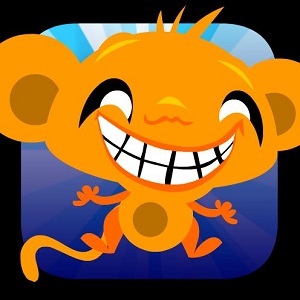
Monkey Go Happy brings the tag into puzzle territory, where the appeal comes from observation, simple logic, and clearing small obstacles. The humor in this kind of game tends to be light rather than loud, with the monkey character often acting as the emotional center of the puzzle setup. Compared with the more mechanical tower defense entries, this style depends less on planning several steps ahead and more on noticing what the scene is asking for.
That balance between comedy and problem-solving is one reason the tag stays varied. Monkey games often use a friendly visual style, but the gameplay underneath can still differ sharply. A puzzle game like Monkey Go Happy asks for attention to detail, while a strategy title like Bloons Tower Defense 3 asks for long-range thinking. The shared theme gives the collection cohesion, even when the play styles diverge.
Why the Monkey Tag Works Across So Many Genres
The tag’s strength is not in a single mechanic but in how well the monkey theme adapts to different structures. In Bloons Monkey City and Bloons Tower Defense 4 Expansion, monkeys become soldiers and builders. In Monkey Mart, they become managers. In Monkey Quest and Monkey Go Happy, they support progression and puzzle-solving. In Swing Monkey and Spank the Monkey, they anchor quick, readable action.
- Strategy-focused players often gravitate toward the Bloons series for placement and upgrade planning.
- Progression-minded players tend to prefer games like Monkey Mart and Bloons Monkey City.
- Casual players may be more interested in short, direct games such as Swing Monkey or Spank the Monkey.
- Puzzle fans usually get more from Monkey Go Happy and similar scene-based challenges.
That range gives the Monkey tag a broad identity without making it feel scattered, because the games still share a playful tone and a clear visual hook.