Gun Games Built Around Aim, Pressure, and Split-Second Choices
The Gun tag brings together games that treat firearms less as decoration and more as the center of play. In this group, the core loop is usually about aiming quickly, choosing targets carefully, and reacting to pressure before the situation collapses. Time Shooter, Time Shooter 3, and Time Shooter 3: Swat lean into that idea by making time, movement, and shot timing feel tightly connected, while Repuls.io and Subway Clash 3D push the same weapon-focused action into more mobile, arena-style combat.
What stands out across the tag is how often the gun is tied to constant decision-making. Some games ask for survival against waves, as in Horde Killer: You vs 100 and Funny Shooter. Others build around short, violent tactical exchanges, like Bank Robbery, Murderer, and Creative Kill Chamber. Even when the tone is lighter or the presentation is stylized, the same basic appeal remains: use weapons well enough to control the pace before enemies or objectives take control instead.
Time Manipulation and Tactical Shooting
The Time Shooter games represent one of the clearest patterns in the tag: shooting becomes inseparable from movement planning. Instead of simply reacting at full speed, players are encouraged to read the room, position carefully, and then decide when to commit. That makes each encounter feel less like a reflex test alone and more like a puzzle built from cover, spacing, and target priority.
Time Shooter 3: Swat extends that structure into more specialized scenarios, while Time Shooter 3 and Time Shooter emphasize the same rhythm of controlled motion and sudden action. This style appeals to players who enjoy a slower tactical setup followed by a sharp burst of gunplay. Compared with faster arena shooters, these games reward restraint as much as aggression.
Arena Combat That Rewards Movement
Another strong branch of the tag focuses on open combat spaces where movement is just as important as aim. Repuls.io, Crazy Shooters 2, Subway Clash 3D, Pixel Wars of Hero, and Good Guys vs Bad Boys all push players into direct firefights where positioning, reaction speed, and map awareness matter constantly. The weapon is still the main tool, but it works best when paired with quick relocation and awareness of enemy angles.
These games often feel more chaotic than the time-based shooters because threats can come from several directions at once. That creates a very different kind of skill curve. New players can still contribute by staying mobile and keeping distance, but experienced players usually gain an edge through better route choices and better use of sightlines. Craftnite.io fits here in a broader sense as well, combining combat with building so the player is not only shooting but also shaping the battlefield.
Horde Survival and the Economy of Ammo
Games like Horde Killer: You vs 100 and Funny Shooter use gunplay to create pressure through numbers. Instead of carefully managed duels, the focus shifts to crowd control, target switching, and staying alive when enemies keep arriving. In these settings, the gun is a resource management tool as much as an offensive one. Every shot matters more when the screen fills with hostile movement.
Stick Merge adds another layer to that survival fantasy by tying stronger firepower to progression and upgrading. That changes the pace of play: instead of relying only on reflexes, players are also working toward a better weapons setup that can handle stronger threats later on. The tag includes enough variety to show that “gun games” are not only about instant action; they can also revolve around building power over time.
Short, Sharp Conflict in Robbery and Killing Games
Several titles in the tag use guns to support compact, high-stakes scenarios rather than large battlefield structures. Bank Robbery places weapons in a criminal set piece where timing and control matter. Murderer and Creative Kill Chamber turn firearms into tools for close-range confrontation and lethal planning. The Skull Kid and Thing Thing 4 add a more hostile action-platforming feel, where gunplay is woven into movement through dangerous spaces.
These games tend to appeal to players who want a stronger sense of consequence from each encounter. The fight is often not about holding a zone or farming points; it is about surviving a sequence of dangerous moments, escaping traps, or finishing an objective under pressure. That makes them feel leaner and more focused than larger arena shooters.
From Blocky Firearms to Stylish Mayhem
The tag also covers a visual range that changes how the shooting feels even when the mechanics overlap. Craftnite.io and Pixel Wars of Hero use blocky, simplified presentation to keep action readable and fast. Doom 3 brings a heavier, darker atmosphere, where gun use is tied to tension and survival rather than constant movement alone. Territory War approaches combat in a more tactical, side-view style, making weapon choices part of a broader positional struggle.
That variety matters because it shows how flexible the Gun tag is. Some games are built for rapid arena clashes, some for survival against waves, and others for mission-driven combat or stealthy threat management. Across all of them, the shared center is clear: a gun is not just a weapon here, but the main way the game creates pace, pressure, and player expression.
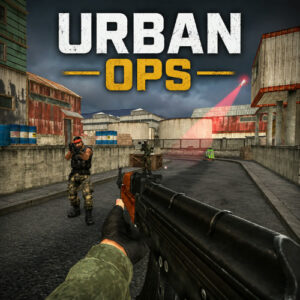 Urban Ops
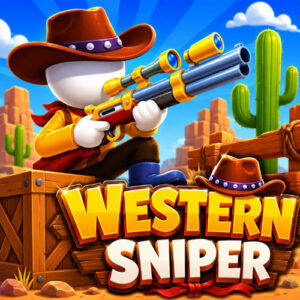 Western Sniper
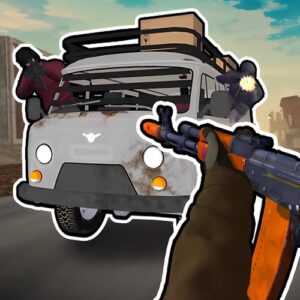 Grandfather Road Chase Realistic Shooter Guns
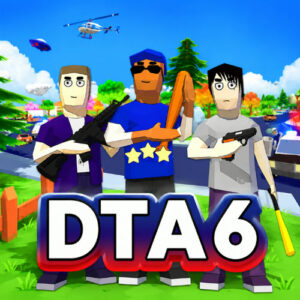 DTA 6
DTA 6
 Road Rage
 Case Battle
 Hexbound
 Kirka.io
 Overtide.io
 Garry’s Mod
 Bullet Bro
 Destroy House
 Prison Escape 2
 Mr Stickman Gunner
 Frontline Commando Shooting: Gun Games
 Hazmob FPS
 KS Z
KS Z
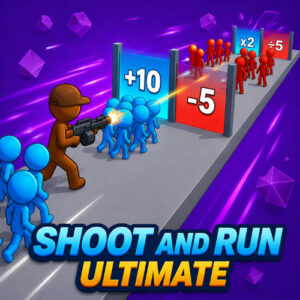 Shoot and Run Ultimate
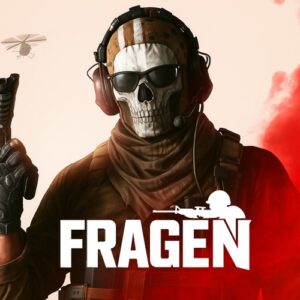 Fragen
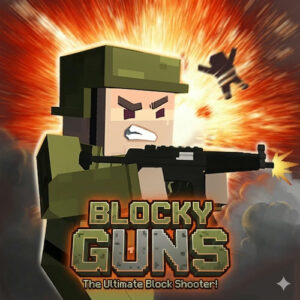 Blocky Guns
 Redcoats.io
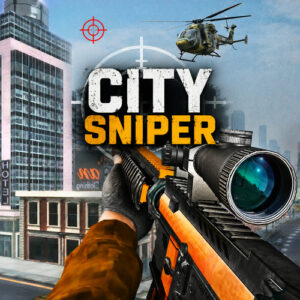 City Sniper
 RageRoll.io
 FallZone.io
 Ruby Raid
 Rivals FPS: Online Shooter
 Stick Hero RPG
 Obby Invasion at the Digital Circus. Shooter!
 Brawl Stars
 Free Fire
 Poxel.io
 Dead Strike
 2v2.io
 Ultrakill
 Kour.io
 Cactus McCoy
 Mexico Rex
 Haunted School
 Dude Theft Auto
 Undead Corridor
 Ragdoll Arena
 Veck.io
 GunSpin
 Deadshot Io
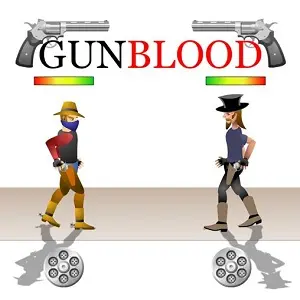 Gunblood
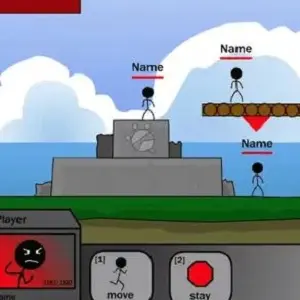 Territory War
 Repuls.io
 Time Shooter 3: Swat
 The Skull Kid
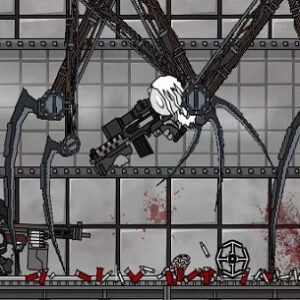 Thing Thing 4