 Mob Rush
What Army Games Are Really About
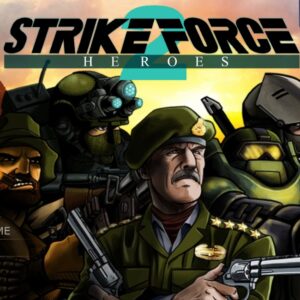
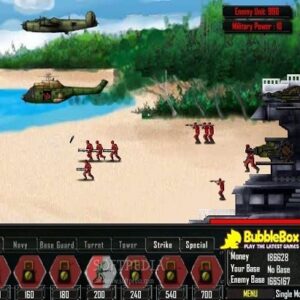
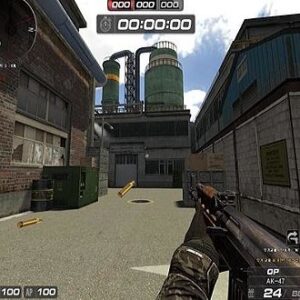
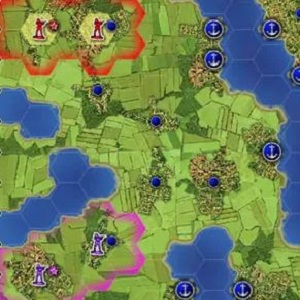
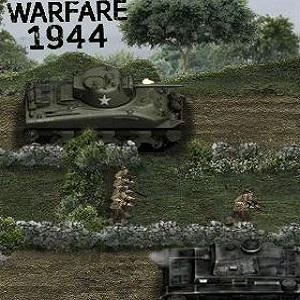
Army games revolve around organized conflict rather than lone combat. Even when the player controls a single unit or a small squad, the structure usually points toward larger military systems: territory, command, logistics, and pressure from multiple fronts. In this tag, that idea shows up in several forms. Goodgame Empire and Hex Empire focus on strategy and expansion, while Battle Gear 2 and Warfare 1944 emphasize battlefield deployment and unit timing. On the action side, Sudden Attack and Forward Assault Remix shift the attention to tactical shooting, where positioning and reaction speed matter as much as raw aim. The result is a tag that covers both grand command and moment-to-moment military control.
From Command Maps to Frontline Firefights
The biggest split in the army tag is between games that ask you to think like a commander and games that put you inside the fight. Hex Empire turns war into a map-based problem: move forces, hold territory, and decide where to strike so your next turn has more options than your opponent’s. Goodgame Empire uses a more layered progression loop, where building, defending, and resource growth shape the army you can field later. By contrast, Forward Assault Remix and Sudden Attack are about tactical movement in close quarters, where success depends on reading angles, covering teammates, and reacting to enemy pressure.
Warfare 1944 sits between those extremes. It still carries the feeling of command, but the battlefield is more immediate: you are choosing units, managing pressure, and watching the line advance or collapse in real time. Battle Gear 2 uses a similarly direct approach to war, with the satisfaction coming from selecting the right mix of forces rather than micromanaging every individual soldier. These games share a military identity, but they distribute control very differently.
Progression, Territory, and the Logic of Expansion
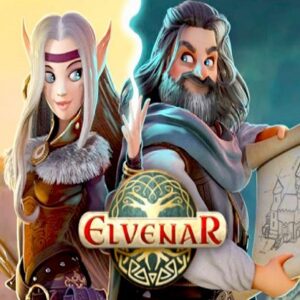
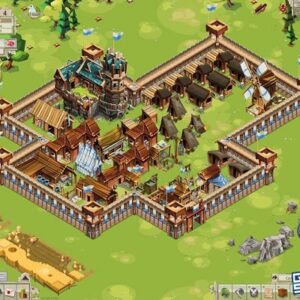
Army games often turn conflict into a growth system. In Goodgame Empire, the army is tied to a broader cycle of construction and development, so military strength is inseparable from economy and base management. That gives battles a long tail: the player is not just fighting for a win screen, but for a stronger position in the next phase of play. Elvenar approaches this idea from a fantasy angle, yet the underlying structure remains familiar to army-game players: expand a settlement, develop infrastructure, and unlock the ability to project power more effectively.
This progression focus changes how players approach risk. A quick battle victory matters less than maintaining a stable growth path. In these games, planning often beats aggression. Players attracted to this side of the tag usually enjoy watching their forces become more capable over time, whether that means unlocking better units, securing new ground, or simply creating a more efficient military machine.
When Army Games Become Tactical Shooters
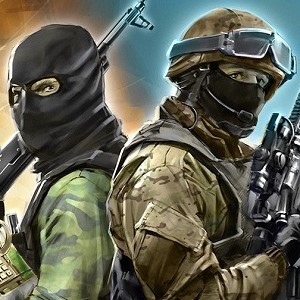
The shooter entries in the tag narrow the military fantasy to reflexes, map knowledge, and team play. Sudden Attack and Forward Assault Remix both rely on clean sightlines, careful movement, and an understanding of when to push and when to hold position. Unlike strategy-heavy army games, these titles make the battlefield feel personal: a good angle or a well-timed burst can matter more than having more resources.
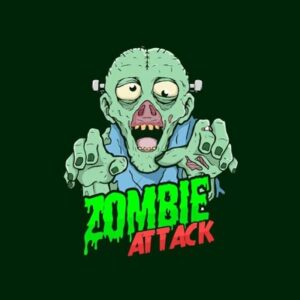
Rage Blade and Zombie Attack push the concept in different directions. Both rely on direct combat pressure, but Zombie Attack frames the army idea through survival against waves, where numbers and endurance become the real enemy. Rage Blade leans into melee-driven confrontation, which changes the pace entirely. Instead of commanding formations, the player is reading enemy movement at close range and surviving through timing and aggression.
How These Games Compare in Practice
- Hex Empire and Warfare 1944 both center on territory control, but one is more abstract and turn-based while the other creates a more immediate battlefield rhythm.
- Goodgame Empire and Elvenar both connect army power to settlement growth, yet they do so through different worlds: one grounded in medieval conflict, the other in fantasy expansion.
- Sudden Attack and Forward Assault Remix share the tactical shooter framework, but their appeal lies in skill expression rather than long-term empire building.
- Battle Gear 2 and Zombie Attack both involve fighting against overwhelming pressure, though one is about strategic deployment and the other about holding out under endless waves.
Skill Growth and Mastery in Army Games
The army tag rewards different kinds of improvement depending on the subgenre. In strategy games, mastery comes from learning unit roles, pacing expansion, and recognizing when a defensive posture is stronger than a risky push. In shooters, it comes from movement discipline, map awareness, and coordinated decision-making. In wave-based or action-driven games like Zombie Attack and Rage Blade, players improve by managing crowd pressure and learning how to survive when space disappears.
What ties all of these together is the sense that military success is systematic. Army games rarely depend on one isolated action. They ask players to think about pressure, placement, timing, and scale, whether they are leading a kingdom in Goodgame Empire, capturing territory in Hex Empire, or clearing hostile forces in Sudden Attack and Forward Assault Remix.