 Plants vs Zombies Hybrids




Tower Defense Built Around Routes, Pressure, and Placement
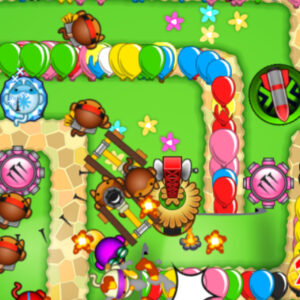
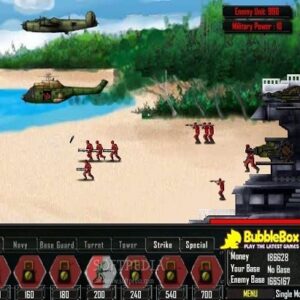
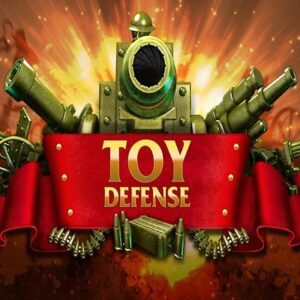
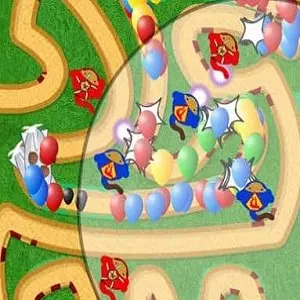
Tower defense games turn map reading into the main skill. The titles in this tag show how much variety can exist inside that simple structure. Bloons Tower Defense 2, Bloons Tower Defense 3, and Bloons Tower Defense 4 Expansion focus on route control, layered enemy waves, and steady tower upgrades. Vector TD leans into cleaner tactical placement, while Toy Defense and Battle Gear 2 bring their own styles of lane management and battlefield pressure. Across the tag, the core question is not just where to build, but how to shape the flow of enemies before they reach the end.
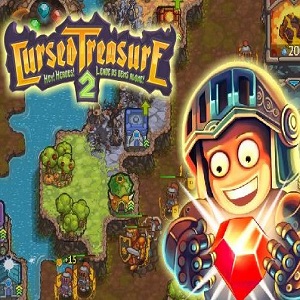
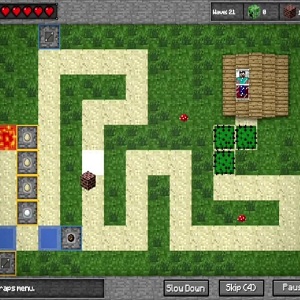
That shared structure makes tower defense appealing to players who like planning ahead under increasing stress. A strong setup in Cursed Treasure 2 or Minecraft Tower Defense is rarely about a single perfect move. It is about reading the route, anticipating future waves, and making small adjustments that keep the defense intact when the pace rises.
Placement Decisions Matter More Than Raw Power
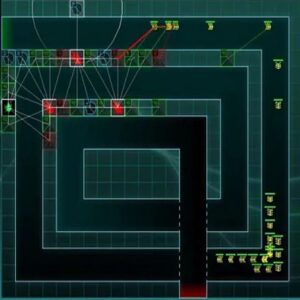
Map layout is the real battlefield in this tag. Games such as Bloons Tower Defense 2 and Vector TD reward efficient tower placement because every square or lane segment affects coverage. Early decisions can shape the rest of a run, especially when enemy paths are fixed and space is limited. In those games, a tower in the right position often matters more than a stronger tower in a weak position.
Cursed Treasure 2 and Toy Defense show another side of that idea: defense works best when towers are arranged to overlap fields of fire and slow enemy progress across multiple chokepoints. This gives the genre its puzzle-like feel. The challenge is not only surviving the current wave, but building a layout that still works when stronger enemies start appearing in different combinations.
Wave Escalation Creates the Real Difficulty Curve
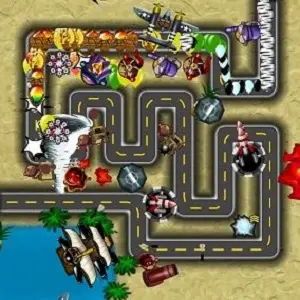
Tower defense games usually start with a simple defense and gradually force new priorities. Bloons Tower Defense 3 and Bloons Tower Defense 4 Expansion are good examples of this pacing, where early waves let players establish economy and coverage before more dangerous balloons demand specialized responses. The tension comes from escalation: waves that looked manageable earlier become a problem once faster or tougher enemies enter the mix.
Battle Gear 2 and Bloons Monkey City also depend on this sort of pressure, but they frame it differently. One emphasizes battle pacing and unit deployment, while the other mixes tower defense structure with a broader city-building loop. In both cases, the best decisions are made before a wave becomes a crisis. Players who wait too long to adapt usually end up spending resources inefficiently or recovering too late.
Upgrade Paths Shape Long-Term Strategy
Progression is central to the tag because towers often become more important through upgrades than through simple repetition. In Bloons Tower Defense 4 Expansion, upgrade choices create distinct roles for each tower type, pushing players toward specialization. Cursed Treasure 2 uses a similar logic through defensive growth, encouraging a layout that evolves rather than stays static. That long-term development is one reason tower defense remains readable even as complexity rises: each new upgrade changes the defense in a visible way.
Bloons Monkey City broadens the formula by linking tower defense play to a larger progression structure. Instead of treating each map as an isolated challenge, it makes advancement part of a larger loop. That kind of design appeals to players who enjoy building toward stronger tools over time, not just clearing one carefully managed wave set.
Some Games Favor Economy, Others Favor Direct Control
Not every tower defense game asks the same kind of attention. Bloons Monkey City adds a management layer that changes the balance between immediate defense and long-term expansion. Battle Gear 2 places more emphasis on active battlefield decisions, which shifts the genre toward tactical pressure rather than pure static planning. That difference matters: some players want to optimize resource flow, while others want faster responses and sharper unit timing.
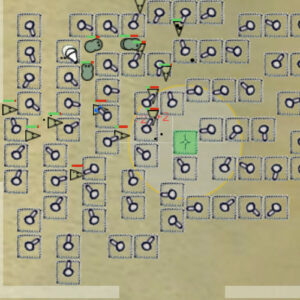
Vector TD sits closer to the classic defense formula, where careful allocation of resources and tower type selection do most of the work. By contrast, Minecraft Tower Defense blends familiar tower defense rhythms with recognizable Minecraft-inspired framing, which gives the planning loop a different flavor without changing the underlying demand for control and efficiency.
Why the Tag Keeps Attracting Different Kinds of Players
The variety in this tag comes from how many ways tower defense can be tuned without losing its identity. Some players prefer the clean, wave-based rhythm of Bloons Tower Defense 2 and Bloons Tower Defense 3. Others want the broader progression of Bloons Monkey City or the more specialized challenge of Cursed Treasure 2. Toy Defense and Vector TD appeal to players who enjoy tight spatial decisions, while Battle Gear 2 offers a more combat-driven angle.
What ties them together is the same strategic habit: observe the route, prepare for the next wave, and adapt the defense before weaknesses become obvious. Tower defense games reward players who like controlled systems, visible cause and effect, and the satisfaction of turning a fragile setup into a stable line of defense.