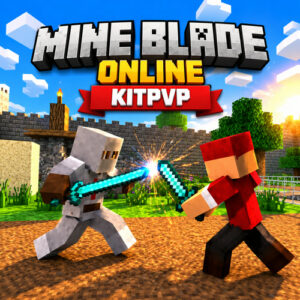
 Mine Blade Online Kit PvP

Sword Games Built Around Close-Range Pressure
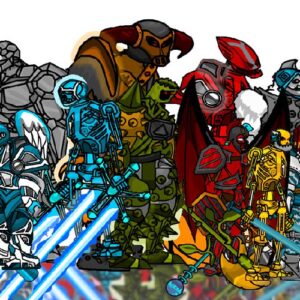
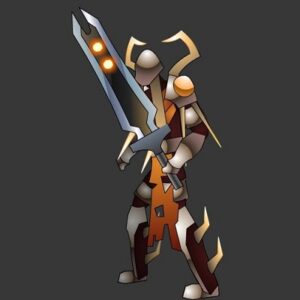
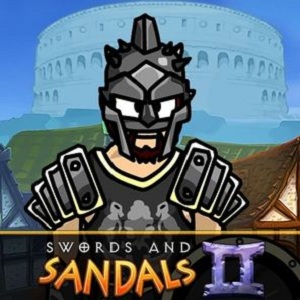
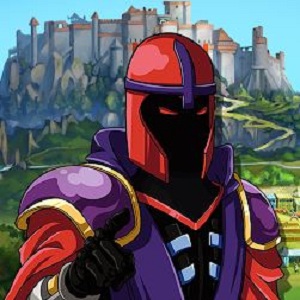
The Sword tag gathers games that treat melee combat as the main event rather than a side option. In Swords and Sandals and Swords and Sandals 2, blades are part of a broader combat loop built on stat growth, gear choices, and turn-based decision-making. Sonny 2 pushes sword play into a more story-driven RPG structure, where weapons sit alongside abilities and character building. Chibi Knight leans in a different direction, using sword attacks in a side-scrolling action format where movement and timing shape every encounter.
What unites these games is the importance of committing to direct confrontation. Swords are usually short-range tools, so positioning matters more than raw damage numbers alone. That creates a distinct pace: one mistake can cost a fight, but careful spacing and well-timed attacks can control it. Even when the presentation changes, as in Stick War or Warlords 2 (Rise of Demons), the sword remains a symbol of frontline strength and close engagement.
From Duels to Armies, the Sword Stays Front and Center
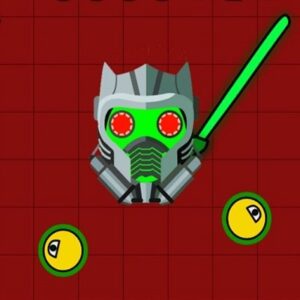
Some entries focus on personal combat, while others widen the scale. Sword.io and Swordz.io use the sword as a competitive arena weapon, turning range control and awareness into the main survival skills. In those games, the blade is not just an attack method but the entire identity of the player’s movement and threat zone. By contrast, Stick War and Warlords 2 (Rise of Demons) place sword fighters inside larger strategy systems, where individual troops represent one part of a bigger battlefield plan.
This split shows how flexible sword-based design can be. A sword can define a single fighter in a duel, or it can define an army unit used to hold territory and force advances. The common thread is directness: swords are often associated with the units or characters that must move first, absorb pressure, and make contact before anything else happens.
Progression Changes the Meaning of the Blade
In role-playing games, sword use becomes tied to growth. Sonny 2 uses equipment and builds to shape combat identity, so a sword is rarely just a starter weapon. Swords and Sandals and its sequel go further by connecting weapon choice with arena advancement, where each fight feeds into broader character development. That structure makes sword play feel more methodical than in action-focused games, since the player is not only choosing attacks but also planning for later encounters.
Chibi Knight also fits this pattern in a lighter form, using adventuring progression to make sword combat feel earned through exploration and pacing. Across these games, the sword serves as a baseline around which other systems are built. It is often reliable, easy to understand, and useful early on, but its real strength emerges when paired with upgrades, stronger enemies, and new tactical demands.
Timing, Reach, and the Risk of Standing Still
Sword games tend to reward players who understand tempo. In Sword.io and Swordz.io, hesitation can mean losing space to another player, while charging in too quickly can leave an opening. That same principle appears in a different form in Sonny 2 and Swords and Sandals 2, where a poorly chosen attack sequence or exposed turn can swing a fight the other way. The weapon itself encourages forward movement, but successful play depends on not overcommitting.
This is why sword-tagged games often feel sharper than weapon sets built around projectiles or long-range tools. Swords ask for proximity, and proximity creates tension. The player has to judge when to close distance, when to wait, and when to force contact before the opponent can respond.
Why the Sword Appears in So Many Different Game Styles
The tag covers a wider range of designs than its name suggests. Warlords 2 (Rise of Demons) uses sword-bearing forces in a fantasy strategy frame, while Stick War turns armed units into pieces of a larger economy-and-combat system. Swords and Sandals and Swords and Sandals 2 lean into arena combat with a sense of progression and character identity. Sonny 2 brings swords into an RPG where story and build choices matter just as much as individual encounters.
That variety helps explain the appeal of the tag. Sword games can be casual or methodical, fast or deliberate, single-character or army-based. Yet they still share a recognizable feel: close-range conflict, readable attacks, and a constant push toward direct confrontation. For many players, that makes the sword one of the clearest ways to turn combat into a test of movement, timing, and control.