Space Games Built Around Survival, Expansion, and Control
The Space tag covers a wide range of browser games, but the common thread is rarely just setting. These games usually ask players to manage pressure in open environments, protect fragile assets, and make decisions quickly while movement stays central. Dark Orbit, Starblast.io, and StarBlast lean toward direct combat and territory control, while The Final Earth, Planet Clicker, and Planet Clicker 2 turn space into a framework for building and growth. Other titles such as Into Space, Into Space 2, and Reach the Core shift the focus toward progression and long-term upgrades instead of pure combat. That variety is what makes the tag so broad: space games often combine arcade reflexes with strategy, collection, or incremental systems.
Arcade Shooting Still Defines a Large Part of the Tag
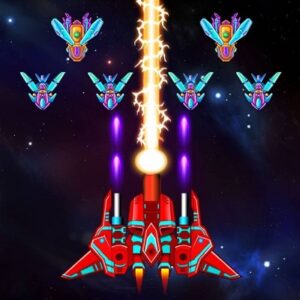
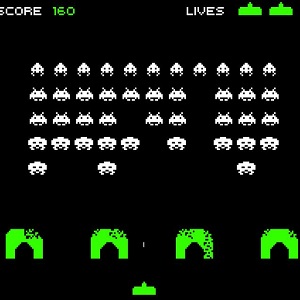
Several of the most familiar space games in this collection rely on classic shooter structure. Space Invaders remains the clearest example of the lane-based defense pattern, where incoming enemies create a steady rhythm of movement and firing. Galaxy Attack Alien Shooter and Chicken Invaders update that idea with more visual variety and a stronger sense of progression, but the core loop is similar: dodge patterns, destroy waves, and survive longer than the last attempt. Space Battle and Dark Orbit push the same combat idea into more open spaces, where positioning matters as much as reaction speed.
What stands out across these games is how often the challenge comes from managing screen pressure. Enemy formations, projectile timing, and limited margins for error create a style of play that rewards recognition as much as reflexes. Even when the presentation changes, the design still depends on reading motion and maintaining control under constant attack.
Movement and Positioning Matter as Much as Firepower
Space games often use movement as the main skill test rather than treating it as simple travel. In X Trench Run, the player is funneled through tight corridors where quick steering is more important than raw firepower. Flow approaches space through path and motion, making direction changes part of the challenge itself. Starblast.io and StarBlast add another layer by combining movement with resource collection and combat, so the player is constantly deciding whether to chase enemies, gather upgrades, or retreat.
This emphasis on positioning gives the tag a clear identity. Space is often presented as empty, but these games turn that emptiness into tactical room. A small movement error can break a run, while smart spacing can let a weaker ship survive against stronger threats. The best results usually come from staying mobile without becoming reckless.
Progression and Upgrades Keep the Genre From Stalling
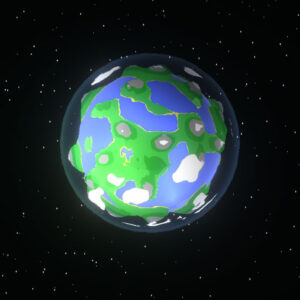
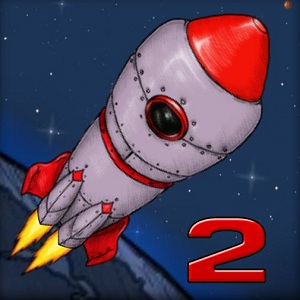
Not every space game in the tag is about immediate survival. Into Space and Into Space 2 center on repeated launches, improvements, and better performance over time, which makes them feel closer to upgrade-driven arcade management. Reach the Core follows a similar pattern of advancing through repeated runs and unlocking stronger tools. In Planet Clicker and Planet Clicker 2, the appeal shifts even further toward accumulation, with progress built through steady expansion rather than constant action.
This design trend matters because it broadens the audience for space games. Some players want immediate reflex challenges, while others prefer a sense of steady growth. The tag accommodates both. A game like Into Space 2 can satisfy players who enjoy tuning performance over multiple attempts, while Planet Clicker 2 rewards a more patient, long-horizon approach.
Building, Collecting, and Expanding in Open Space
Several titles use space as a resource map rather than a battlefield. The Final Earth turns the setting into a construction problem, where the player builds and organizes systems rather than simply flying through them. Planet Clicker and Planet Clicker 2 frame space as a place of exponential growth, while Reach the Core focuses on mining and deeper traversal. Even the action-heavy games often include collection loops, so upgrading and gathering remain important whether the game is a shooter or a builder.
That overlap is one of the defining patterns in the tag. Space works well for games about expansion because it naturally supports scale: one ship becomes a fleet, one planet becomes a network, and one mission becomes a longer progression chain. The player is often encouraged to think in terms of reach, efficiency, and accumulation rather than short-term survival alone.
Competitive Play and Co-op Style Pressure in Browser Form
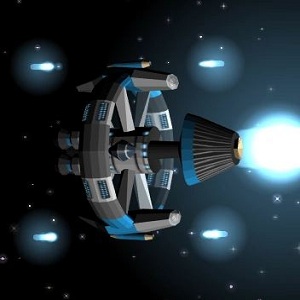
Multiplayer-oriented entries like Dark Orbit, Starblast.io, and StarBlast show another side of the Space tag: competition layered onto resource control. These games ask players to balance aggression with caution because every decision affects both survival and growth. Striking another ship can be worthwhile, but only if the player has enough momentum to avoid being punished immediately afterward. That creates a style of play built around timing, map awareness, and reading other players’ intentions.
Compared with single-player shooters such as Space Invaders or Galaxy Attack Alien Shooter, the tension comes from unpredictability. Human opponents change the pace constantly, which makes positioning and upgrade choices feel more consequential. It is a different kind of space game skill: less about memorizing enemy patterns and more about adapting to pressure created by another player.
Why the Space Tag Keeps Returning to the Same Core Ideas
Despite the variety in presentation, the Space tag repeatedly circles the same design principles: motion through open or constrained lanes, vulnerability under attack, and growth through upgrades or accumulation. Chicken Invaders and Space Invaders focus on traditional shooting pressure, X Trench Run and Flow emphasize movement discipline, and Planet Clicker 2 and The Final Earth show how the setting can support building and expansion. Across the tag, space is less a theme than a structure for testing control.
That is why the collection stays broad without feeling disconnected. Whether the goal is to dodge, mine, launch, build, or outfight other ships, space games usually ask players to manage limited resources in a setting where everything is exposed. The best-known examples in the tag turn that exposure into the main source of challenge.
 Planet Merge
 Ruby Raid
 Lift Off 2
 Golf Orbit
 Astro Tycoon
 Zombies and Luig
 Lift Off
 Space Waves
 Retro Blaster
 Orbit Rush
 Dark Orbit
 Chicken Invaders
 Galaxy Attack Alien Shooter
 Google Gravity
 Google Space
 Space Battle
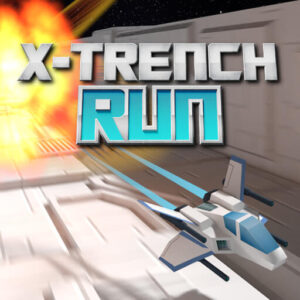 X Trench Run
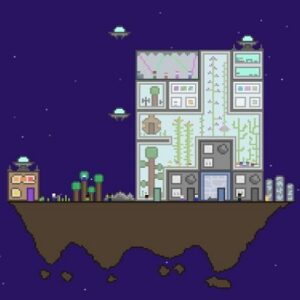 The Final Earth
 Planet Clicker 2
 Flow
Flow
 Reach the Core
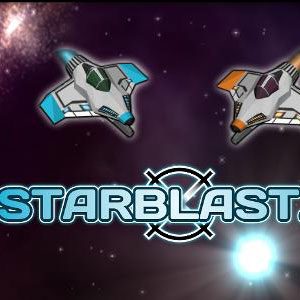 Starblast.io
 Planet Clicker
 Into Space
 Into Space 2
 StarBlast
 Space Invaders