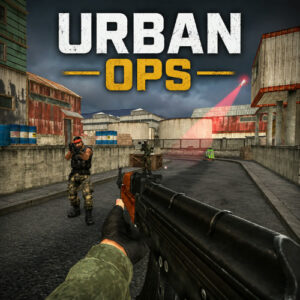
 Urban Ops
Soldier Games Built Around Positioning, Firepower, and Constant Pressure
The Soldier tag gathers games that center on armed combat, forward movement, and the basic discipline of staying effective while under fire. In titles like Urban Ops, Redcoats.io, Strike Force Heroes, and Strike Force Heroes 2, the player is rarely managing a broad battlefield from afar. Instead, the focus stays on the actions of a combatant on the ground: aiming well, choosing when to push, and surviving against opponents who are doing the same.
What ties these games together is not just the presence of guns or military styling, but the way they frame every decision around a soldier’s role. Movement is usually tied to cover, timing, and awareness. Combat is direct enough to reward accuracy, but not so simple that steady shooting alone solves everything. The result is a tag that attracts players who like clear objectives, readable firefights, and a constant sense that position matters as much as reflexes.
Gunfights That Reward Control More Than Chaos
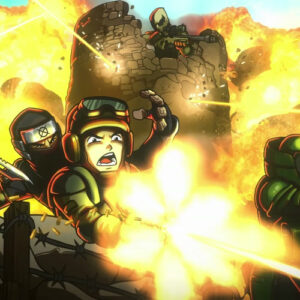
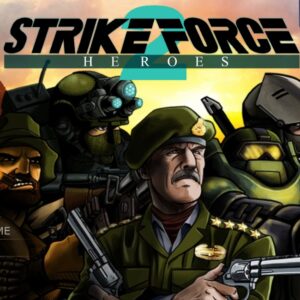
Strike Force Heroes and Strike Force Heroes 2 show how soldier games often turn firefights into tests of pacing. The player is not only exchanging damage with enemies; the real challenge is staying effective while managing distance, movement, and aim under pressure. That structure is common across the tag, and it gives even fast-action games a tactical layer.
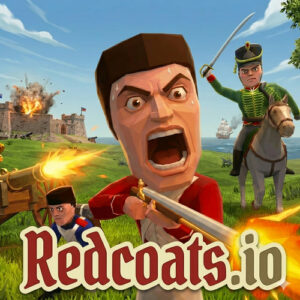
Urban Ops leans into the same idea from a different angle, with combat that feels grounded in street-level confrontations rather than large-scale war. Redcoats.io simplifies that formula into something more immediate, but the same principle still applies: the player succeeds by keeping control of the encounter instead of rushing blindly into it.
Progression Shapes the Soldier Role
A lot of soldier-tag games are built around growth, loadout choice, or character class identity. That matters because the soldier archetype is flexible: one version may favor heavier firepower, another mobility, another sustained pressure. In Strike Force Heroes and Strike Force Heroes 2, progression helps define that identity over time, making the soldier feel like a role the player develops rather than a fixed template.
This is part of what separates the tag from simpler shooting collections. The appeal is not only in surviving a match or clearing a mission, but also in shaping how the soldier performs from one encounter to the next. Players who enjoy unlocking stronger options, refining builds, or finding a preferred combat style tend to gravitate toward these systems.
Team-Based Combat and Solo Survival Sit Side by Side
The Soldier tag is broad enough to include different structures, and the listed games reflect that range. Some titles feel built around squad-style pressure or mission-based advancement, while others lean into competitive or browser-friendly action. Redcoats.io represents the quicker, more accessible side of the tag, where the immediate goal is to stay alive and contribute in fast-moving combat. Urban Ops and the Strike Force Heroes games sit closer to the side that emphasizes structured encounters and deliberate combat flow.
That variety matters because soldier games do not rely on one exact format. The tag can support solo action, team pressure, and progression-heavy campaigns without losing its identity. What remains consistent is the sense that every player is acting as a frontline unit, responsible for staying useful while the fight keeps moving.
Mobility, Cover, and Reading the Battlefield
Soldier games often depend on awareness of the environment rather than pure shooting skill. Good positioning can matter as much as aim, especially when games give the player space to move, reposition, or attack from a safer angle. Even when a game is more arcade-like, the underlying lesson stays the same: standing still for too long is usually a mistake.
That makes this tag appealing to players who like combat with spatial awareness. The battlefield is rarely just a backdrop. It becomes part of the decision-making process, whether in a tight urban setting like Urban Ops or in a more streamlined multiplayer format such as Redcoats.io. The best moments in soldier games usually come from reading the fight correctly and acting before the situation turns against you.
Why the Soldier Tag Stays Flexible
The strongest feature of the Soldier tag is how easily it adapts to different combat formats without losing its core identity. Strike Force Heroes and Strike Force Heroes 2 show the campaign-driven side, where the soldier becomes a role with progression and specialization. Redcoats.io shows the fast, accessible side, where action takes priority and decisions happen quickly. Urban Ops sits between those instincts, emphasizing direct combat in a grounded setting.
For players, that flexibility means the tag covers several different motivations at once: quick firefights, loadout-driven planning, and mission-focused action. The common thread is disciplined combat, where success comes from using the soldier’s tools well rather than relying on spectacle alone.