Ragdoll Games Turn Movement Into the Main Event
The ragdoll tag covers games where bodies, balance, and momentum are as important as the goal itself. In Happy Wheels, Short Life 2, and Flip Or Fail, the appeal comes from unpredictable motion and the constant risk of losing control. Other games such as Mr. Flip, Ragdoll Flip, and Wacky Steps push the same idea into cleaner stunt-based formats, where landing angles and timing matter just as much as the jump. Even when the tone changes, the shared design remains clear: success depends on managing a character that never feels fully rigid or fully safe.
This tag works because ragdoll physics creates outcomes that are readable in the moment but difficult to master over time. A landing in Airborne BMX or BMG: Ragdoll Car Race can go from controlled to chaotic in a single mistake, while Ragdoll Launcher and Farting Flight turn that chaos into the point of play. The result is a collection built around recovery, improvisation, and the suspense of watching a move unfold one frame at a time.
Stunts, Flips, and the Search for a Clean Landing
Several games in the tag focus on aerial movement, then use ragdoll physics to make the landing the real skill check. Flip Duel, Mr. Flip, and Ragdoll Flip all place emphasis on rotation and positioning, but each asks players to judge different levels of risk. Long Leg Master and Wacky Steps build comedy from awkward movement, yet they still rely on the same basic question: can the body be guided into a stable finish before the physics take over?
That structure rewards timing more than brute force. A clean stunt in this kind of game often comes from restraint, not speed. Players are watching trajectory, angle, and momentum at once, which is why even simple-looking actions can feel tense. The games in this group are especially appealing to anyone who enjoys repeat attempts that gradually turn chaos into something closer to control.
Damage, Disasters, and the Comedy of Failure
Another strong pattern in the ragdoll tag is punishment as spectacle. Happy Wheels is the clearest example, with obstacle layouts designed to make every mistake visible and memorable. Short Life 2 follows a similar approach, using hazards that turn movement into a survival puzzle. Cars vs Zombies and The Baby in Yellow show that ragdoll-style unpredictability can also support different moods, from physical mayhem to uneasy chaos, depending on how the game frames the action.
What ties these games together is the way failure becomes part of the entertainment loop. Instead of hiding mistakes, they exaggerate them. That makes the tag a strong fit for players who appreciate trial-and-error design and are willing to restart often. The best outcomes usually come from learning hazard placement, anticipating motion, and treating each failure as information rather than a dead end.
Weapons, Shots, and Physics-Based Combat
The ragdoll tag also includes combat games where accuracy matters, but the target’s movement can undermine every plan. Bowmasters Archery Shooting, Bow Battle, and Ragdoll Archers all turn archery into a physics problem, where aiming is only the first step. The trajectory of the shot, the timing of release, and the opponent’s position all affect the result. Even a well-aimed attack can look messy if the ragdoll reaction sends bodies tumbling in unexpected directions.
Lab Havoc leans into a more experimental version of that idea, while Ragdoll Launcher makes projectile motion itself the central mechanic. These games are less about fixed animations and more about variable reactions, which gives them a distinct rhythm. Instead of memorizing exact attack outcomes, players learn to work with uncertainty and use it to their advantage.
Vehicles, Momentum, and Controlled Chaos
Ragdoll physics do not only apply to characters on foot. Airborne BMX and BMG: Ragdoll Car Race show how wheels, impacts, and airtime can create the same unstable energy on a larger scale. The vehicle may be the tool, but the actual challenge is still about balance and recovery. A bad landing or collision can send the run into disorder immediately, which makes movement feel less like driving and more like managing momentum under pressure.
This is also where the tag’s variety becomes obvious. A bicycle stunt game and a car race can feel completely different in presentation, yet both rely on the player’s ability to predict physics rather than simply react to it. That shared structure gives ragdoll games a broad range of pacing, from short burst attempts to longer runs built around sustained control.
When the World Is Part of the Joke
Some ragdoll games use their physics systems to support humor, strange characters, or deliberately odd scenarios. I Am Quadrober!, Animal Hospital Online, and The Baby in Yellow bring different settings to the same underlying instability, showing that ragdoll movement can work in playful, surreal, or unsettling contexts. The physics do not need a realistic tone to make sense; in fact, the mismatch between setting and movement is often what gives these games their identity.
That flexibility helps the tag stay broad without losing focus. Whether the player is steering through slapstick accidents, handling odd character motion, or trying to survive a hazard course, the common thread is still physical unpredictability. Ragdoll games attract players who want systems that are easy to understand at a glance but difficult to fully tame, and that tension gives the tag its lasting appeal.
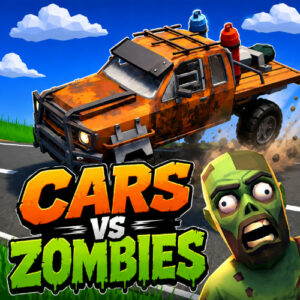 Cars vs Zombies
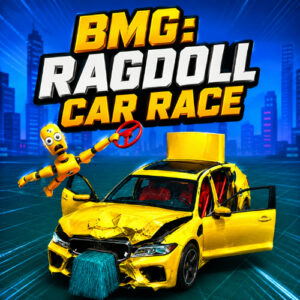 BMG: Ragdoll Car Race
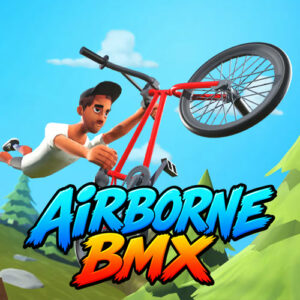 Airborne BMX
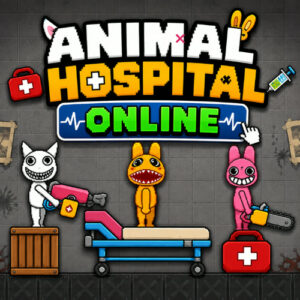 Animal Hospital Online
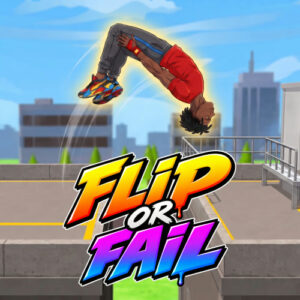 Flip Or Fail
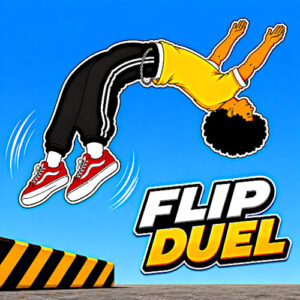 Flip Duel
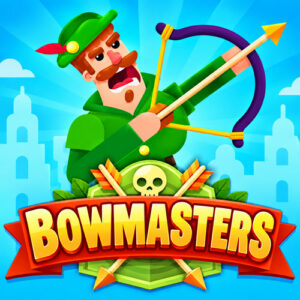 Bowmasters Archery Shooting
 Mr. Flip
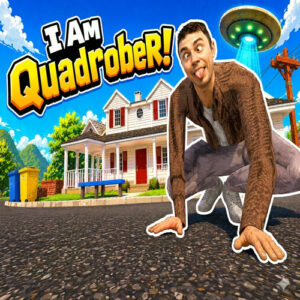 I Am Quadrober!
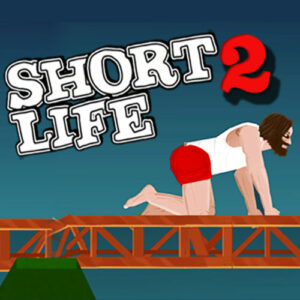 Short Life 2
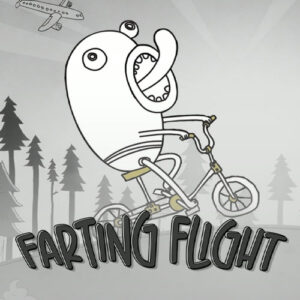 Farting Flight
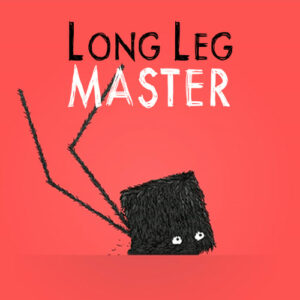 Long Leg Master
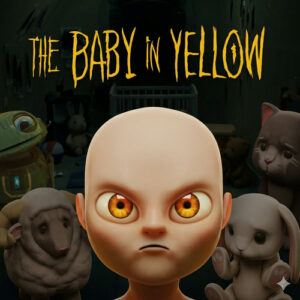 The Baby in Yellow
 Lab Havoc
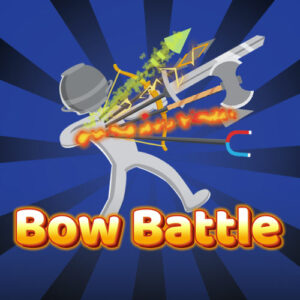 Bow Battle
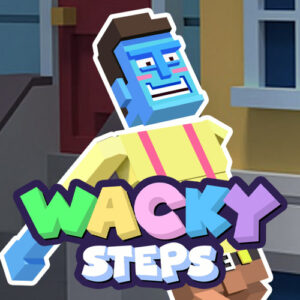 Wacky Steps
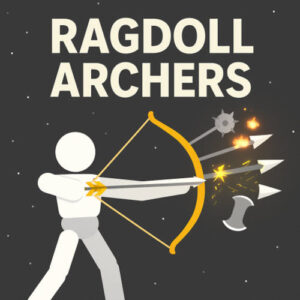 Ragdoll Archers
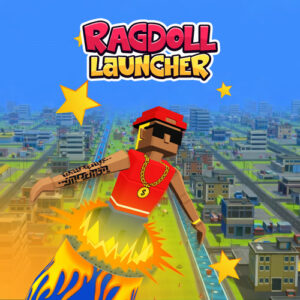 Ragdoll Launcher
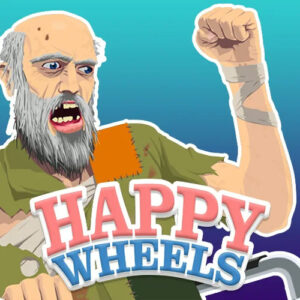 Happy Wheels
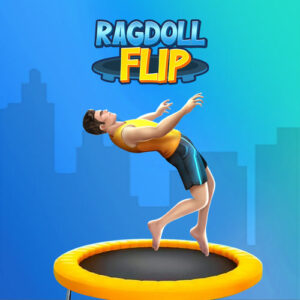 Ragdoll Flip
 Ragdoll Playground
 Wacky Flip
 Ragdoll Arena
 A Small World Cup
 Spiderdoll
 Volley Random
 Happy Room
 Puppet Master
 Soccer Random
 Fall Beans
 Basket Random
 Amazing Strange Rope Police