Violence as the Core Loop in Killing Games
The Killing tag gathers games that treat elimination as the main objective, but the collection is broader than simple combat. Some entries are built around direct confrontation, like Thing Thing 4, Pixel Gun Apocalypse 2, and ShooterZ, where movement, aim, and quick reactions decide whether a player survives long enough to keep pressing forward. Others lean into predatory or chaotic forms of attack, such as New York Shark and Effing Worms, where the act of killing is tied to momentum, scale, and the environment itself.
What connects the tag is not a single genre, but a shared design focus: using combat, pursuit, and elimination as the central structure. In Granny 2, MURDER Game, and The Skull Kid, the tension comes from being hunted or hunting carefully. In Horde Killer: You vs 100 and 13 Days In Hell, the appeal is endurance against overwhelming numbers. Even when the tone varies from arcade-like to grim, the games all revolve around decisive violence and the pressure it creates.
Direct Action and Fast Targeting
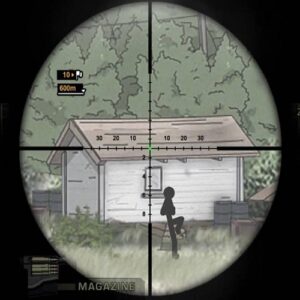
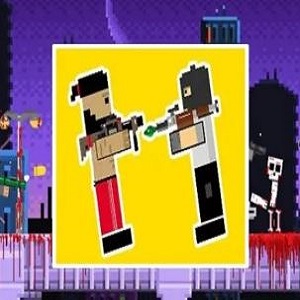
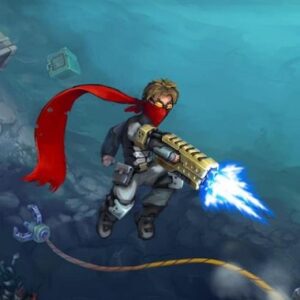
Several games in the tag are built around immediate, readable combat. Tactical Assassin narrows the focus to timing and precision, while Bank Robbery and Gangsters place players in hostile situations where shooting first, moving well, and reading threats quickly matter more than elaborate systems. Intrusion and Warlords 2 (Rise of Demons) also fit this pattern, though with different visual and tactical flavors, because both use aggression as a way to drive progression and control space.
These games reward players who can process enemy movement quickly and commit to attacks without hesitation. The best-performing moments often come from short decision chains: identify the target, close distance or hold position, then finish the encounter before the screen becomes crowded. That makes the tag attractive to players who prefer direct challenge over long setup.
Survival Under Pressure from Numbers
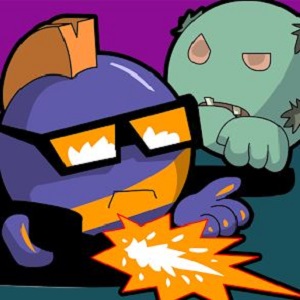
Another major thread is attrition. Horde Killer: You vs 100, Zombie Hunters, and 13 Days In Hell all turn killing into a survival problem, where the challenge is less about a single opponent and more about managing repeated attacks. Pixel Gun Apocalypse 2 can also shift into this style when multiplayer chaos or dense enemy pressure makes every movement matter. The player is rarely allowed to settle into a safe rhythm for long.
This substyle often asks for resource discipline, positioning, and awareness of escape routes. A clean shot matters, but so does not being trapped by the next wave. The appeal lies in pressure management: each kill buys time, space, or ammunition, and each mistake compounds quickly. Compared with the sharper, more controlled feel of Tactical Assassin, these games emphasize stamina and adaptation.
Monster Bodies, Environmental Damage, and Wild Momentum
Some games in the tag make killing feel physical and oversized rather than tactical. New York Shark and Effing Worms turn the player into a force that tears through the map, and the pleasure comes from chaining damage across helpless targets or structures. Stabfish.io takes a more competitive approach to the same idea, letting growth and attack range reshape how safely a player can hunt and survive.
These games are useful examples of how the Killing tag can include destruction-oriented play rather than only shooter combat. The player is encouraged to build speed, exploit openings, and keep momentum alive. In contrast to the slower, goal-heavy structure of Bank Robbery or Intrusion, here the main skill is maintaining pressure so the game never has time to stabilize against you.
Stealth, Betrayal, and the Act of Ending a Run
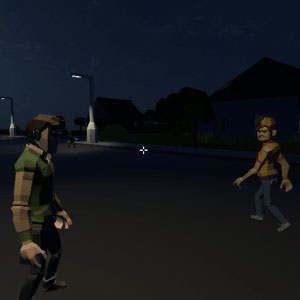
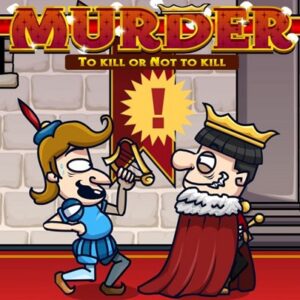
Not every game in the tag treats killing as open combat. Murderer and MURDER Game rely on concealment, timing, and social positioning, where the kill is valuable partly because it must happen without drawing attention. The Skull Kid and Granny 2 also use danger more indirectly, building tension around avoidance and sudden failure rather than constant firefights. In these games, the kill is often the climax of a careful sequence instead of the whole experience.
This creates a different kind of appeal for players who enjoy patience and uncertainty. The challenge is not just striking, but choosing the right moment and understanding when exposure is fatal. That makes the tag feel broader than its name suggests: some entries are about raw aggression, while others are about restraint until violence becomes unavoidable.
Weapons, Instinct, and the Skill of Commiting Early
Across the tag, one pattern stands out clearly: most of these games punish indecision. Whether the player is clearing rooms in Thing Thing 4, fighting through demon waves in Warlords 2 (Rise of Demons), or surviving a close-quarters scramble in Stickman Battle Fight Warriors, success depends on committing before the situation becomes unreadable. That is especially true in fast arcade formats, where movement and attacking often happen at nearly the same pace.
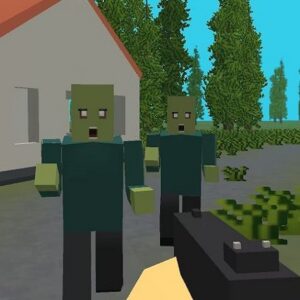
At the same time, the games differ in what that commitment looks like. ShooterZ and Pixel Gun Apocalypse 2 reward aiming and map control, while Stabfish.io and Effing Worms reward positioning and momentum. Bank Robbery, Gangsters, and Intrusion place more emphasis on navigating danger while keeping offensive pressure alive. Together, they show that the Killing tag is less about a single style of violence and more about the many systems built around taking control through force.
 Urban Ops
 Overtide.io
 Mine Blade Online Kit PvP
 Stealth Master
 Frontline Commando Shooting: Gun Games
 Hazmob FPS
 Fragen
 Blocky Guns
 Poxel.io
 Ultrakill
 Mexico Rex
 Squid Game
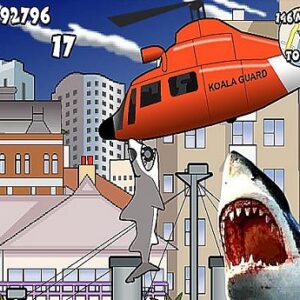 New York Shark
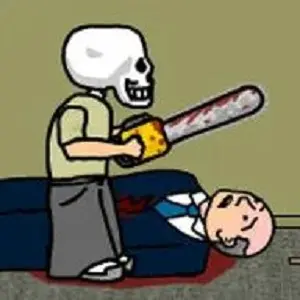 The Skull Kid
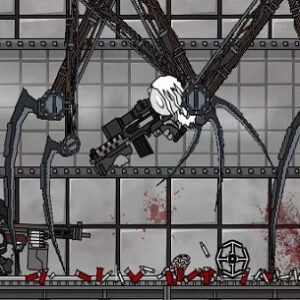 Thing Thing 4
 Bank Robbery
 Granny 2
 Horde Killer: You vs 100
 Murderer
 The Torture Chamber 2
 ShooterZ
 Tactical Assassin
 Gangsters
 Intrusion
 MURDER Game
 Warlords 2 (Rise of Demons)
 Stabfish.io
 Pixel Gun Apocalypse 2
 Effing Worms
 Zombie Hunters
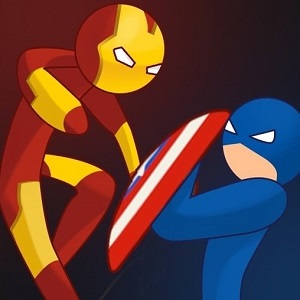 Stickman Battle Fight Warriors
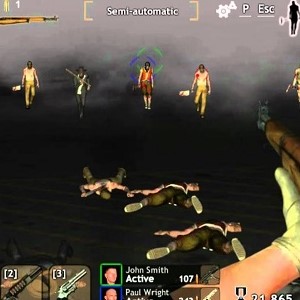 13 Days In Hell
 Thing Thing Arena
 Narrow One
 Sift Heads
 Plazma Burst