Incremental Games Turn Small Actions Into Compounding Progress
The Incremental tag brings together games built around accumulation, automation, and steady expansion. The appeal is not only in clicking or waiting for numbers to rise, but in watching a simple system unfold into something much larger. Cookie Clicker 2, Donut Clicker, Pizza Clicker, and Pizza Clicker 2 start from a single repeating action and quickly shift toward upgrades that make each action more productive. That same structure appears in Doge Miner 2, Pokemon Clicker, and Particle Clicker, where the opening loop is easy to understand but the long-term interest comes from optimization and scaling.
What defines the tag is the way early effort keeps paying off later. A click, a purchase, or a modest upgrade becomes the foundation for larger systems. In some games, the numbers rise fast and the player is pushed toward constant reinvestment. In others, progress is slower and more deliberate, with each upgrade meaningfully changing the pace of the run. Either way, the focus stays on compounding gains rather than isolated victories.
From Manual Repetition to Automated Production
Automation is one of the clearest patterns across incremental games. Titles such as Idle Miner, Idle Breakout, Mr. Mine, and Babel Tower all move the player away from direct action and toward systems that generate progress on their own. The task becomes less about doing everything manually and more about deciding what should be automated first, what should be upgraded next, and where the next efficiency gain will come from.
This shift changes the rhythm of play. Room Clicker and Anti Idle still rely on active input, but they also emphasize building toward a state where the game can keep advancing with less direct attention. The satisfaction comes from designing a loop that eventually outgrows the original bottleneck. Even games with more novelty, like Idle Ants, use the same logic: start with small labor, then expand the system until movement and production become nearly continuous.
Layered Progression Keeps Replacing Old Goals
Incremental games rarely stop at a single upgrade track. They tend to add layers, and that layering is a major reason the tag stays compelling for so long. Antimatter Dimensions is a strong example of a game that turns progression into a sequence of escalating systems, while Evolve and Enchanted Heroes show how growth can extend into broader structure rather than a single resource bar. The player is not just making one number larger; they are unlocking a new way to generate, multiply, or transform progress.
That layered design is also visible in collection-based and management-adjacent entries like Monopoly and President Simulator, where accumulation creates leverage and each decision affects future options. The games in this tag often replace a finished objective with a bigger one before the player ever feels done. Once a route becomes efficient, another system opens up and the cycle starts again at a higher scale.
Numbers, Scale, and the Appeal of Visible Growth
The most recognisable feature of the incremental genre is the way it makes growth easy to see. A game like Cookie Clicker 2 is built around that visual language of escalation, while Doge Miner 2 and Donut Clicker present the same idea through playful themes and familiar rewards. The setting may change, but the underlying draw is consistent: progress is measurable, immediate, and constantly expanding.
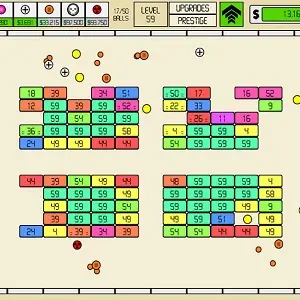
That focus on scale is not just cosmetic. In Idle Breakout, the value comes from turning a simple arcade-style idea into a system where numbers and upgrades reshape the entire pace of destruction. Mr. Mine uses a deeper structure, but still depends on the same pleasure of seeing effort converted into larger output. Incremental games often succeed by making growth itself the main event.
Theme Changes the Skin, Not the Core Loop
The tag covers a wide range of presentation styles, but the core loop remains recognizable beneath them. Pizza Clicker and Pizza Clicker 2 are close in structure to Cookie Clicker 2 and Donut Clicker, even though each uses a different food theme to frame progress. Pokemon Clicker brings a collecting flavor to the format, while Doge Miner 2 leans into a more meme-driven style. The surface changes are important for tone, but they do not alter the genre’s central habits of upgrading, reinvesting, and scaling up.
That flexibility helps explain why incremental games appear in so many forms. A mining loop, a business loop, a creature collection loop, or a simulation loop can all support the same basic structure if they offer repeated growth and meaningful upgrade choices. The theme gives the numbers personality, but the progression model does the real work.
For Players Who Enjoy Optimization Over Reflexes
Incremental games attract players who like to compare efficiencies, track milestones, and refine systems over time. Some entries, such as Anti Idle and Room Clicker, reward more active involvement, while others lean into passive accumulation and periodic management. Particle Clicker and Babel Tower sit closer to the analytical side of the genre, where curiosity about how the system grows is as important as the growth itself.
The broad range inside the tag means there is room for different pacing preferences. Some games are built for short bursts of clicking followed by upgrades, while others invite longer sessions spent balancing production and payoff. Whether the goal is to build a mining empire in Idle Miner, push deeper in Mr. Mine, or keep multiplying gains in Antimatter Dimensions, the shared attraction is the same: small decisions that continue to matter long after they are made.
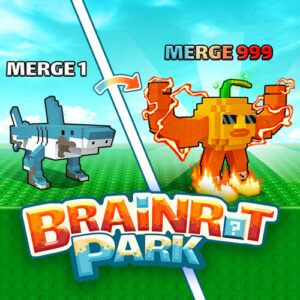 Brainrot Park
 Idle Vlogger Simulator
 +1 Speed Keyboard Escape: Obby
 Incremental Racing
 Meme Mukbang: ASMR Game
 Capybara Mart
 Obby: +1 Laser to Break Walls
 Basketball Hit
 Bat Smash 2
 SpeedEscape.io
 67 Clicker
 +1 Speed Keyboard Escape
 Trump Clicker
 Diddy Clicker
 Meeland.io
 Fish Quest
 Lift Off 2
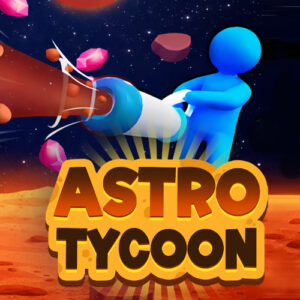 Astro Tycoon
 Scritchy Scratchy
 Escape Animals
 Ragdoll Launcher
 Goo Goo Gaga Clicker
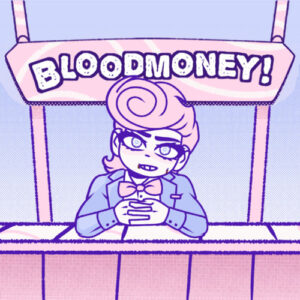 BLOODMONEY!
 Lift Off
 Escape Tsunami Brainrots Online
 Tung Sahur Clicker
 Rocket Fortress
 Epstein Clicker
 Skip It!
 Pizza Clicker Online
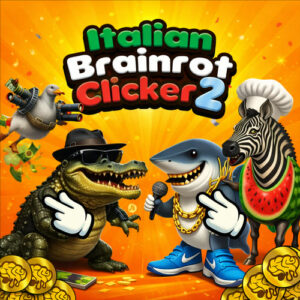 Italian Brainrot Clicker 2
 Orbit Kick
 Fun Clicker
 Chill Guy Clicker
 Slap Champions
 Candy Clicker 2
 Capybara Clicker
 Doge Miner 2
 Donut Clicker
 Pizza Clicker
 Evolve
 Antimatter Dimensions
 Pokemon Clicker
 Candy Clicker
 Cookie Clicker 2
 Pizza Clicker 2
 Spacebar Clicker
 Idle Breakout
 Idle Miner
 Particle Clicker