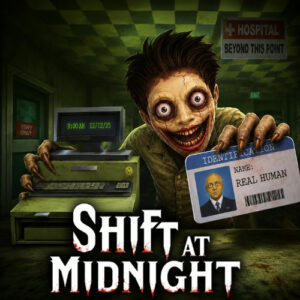
 Shift At Midnight
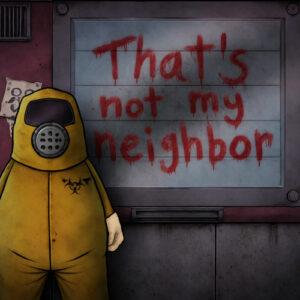

Detective Games Built on Suspicion and Careful Checks
The Detective tag is defined less by flashy action than by the pressure of making the right judgment from limited evidence. In That’s Not My Neighbor, Airport Security, and Shift At Midnight, the core loop is built around inspection, comparison, and the risk of letting something dangerous slip through. Murderer leans more directly toward identifying a threat, but it still fits the same broader pattern: observation comes first, and every decision carries consequences.
What connects these games is the feeling of being responsible for screening the ordinary from the suspicious. The player is not usually solving a traditional mystery through exploration alone. Instead, the game systems ask for pattern recognition, attention to detail, and fast judgment under pressure. That makes the Detective tag especially appealing to players who enjoy careful reading of faces, documents, behavior, or routines.
Inspection as the Main Form of Play
Several of these games turn detective work into a process of checking for mismatches. That’s Not My Neighbor is built around identifying impostors through visible inconsistencies, while Airport Security focuses on screening and rule enforcement. Shift At Midnight uses a similar structure of monitoring who belongs and who does not, but wraps it in a more uneasy setting. The detective role here is practical rather than glamorous.
This style of play rewards players who slow down enough to compare details, but it also punishes hesitation when the queue keeps moving. The tension comes from balancing accuracy with pace. A clean judgment matters, yet the game rarely gives unlimited time to make it.
Threat Detection Under Time Pressure
One of the strongest patterns in Detective games is the pressure to act before uncertainty turns into failure. In Airport Security, the pace of inspections creates a constant tradeoff between thoroughness and efficiency. Murderer uses suspicion in a more direct social sense, pushing players to read situations quickly. Shift At Midnight and That’s Not My Neighbor both build suspense by making the wrong call feel immediately costly.
That pressure changes how players think. Instead of chasing long investigations, they learn to trust patterns, notice deviations, and stay alert to repeated signals. Detective games in this tag often favor short-term decisions with immediate consequences, which gives them a sharper rhythm than many slower mystery titles.
Setting Shapes the Kind of Suspicion
The environments in these games do more than provide atmosphere. They define what kind of detective work is being done. Airport Security frames suspicion through institutional checks and procedural rules. That’s Not My Neighbor turns the same basic idea into a much stranger test of identity. Shift At Midnight leans into a late-night setting where ordinary routines feel fragile. Murderer suggests a more direct hunt for danger, where the player is not just observing but trying to expose a hidden threat.
Because the settings differ, the detective role changes shape. Sometimes the player is an examiner. Sometimes the player is a guard. Sometimes the player is trying to separate real from fake before things go wrong. The tag holds all of these together through one central expectation: the player must read the environment as evidence.
Pattern Recognition Is More Important Than Memorization
Detective games in this group rarely depend on long chains of dialogue or elaborate deduction trees. Instead, they ask players to build habits of observation. Repeated behaviors, visual cues, and small rule changes matter more than remembering a single plot twist. That’s Not My Neighbor and Airport Security are especially clear examples of this design, because success depends on noticing what has shifted rather than recalling a fixed answer.
This makes the tag approachable without making it shallow. New players can understand the basic task quickly, but mastery comes from sharper attention and cleaner decision-making. Games like Shift At Midnight show how that simple framework can be used to create mounting tension without needing complex controls.
Why the Detective Tag Works for Different Kinds of Players
Some players are drawn to detective games for the puzzle-solving side, while others enjoy the stress of judgment calls. The current set includes both motivations. Murderer supports the fantasy of exposing a hidden danger. Airport Security gives players a procedural challenge with clear standards. That’s Not My Neighbor and Shift At Midnight lean harder into unease and uncertainty, which appeals to players who like suspense built from routine checks rather than chase scenes.
That variety gives the Detective tag a broad reach while keeping its identity intact. Whether the game focuses on impostors, suspicious passengers, or dangerous intruders, the player is still doing detective work in the same essential sense: comparing clues, rejecting false appearances, and making calls before the moment passes.