What Art Games Are About
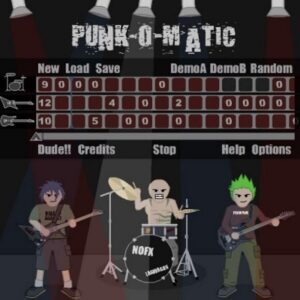
Art games on browser platforms cover a wide range of creative play, but they usually share one thing: the player is not just reacting to a system, they are shaping it. In Punk-o-Matic and Perfect Piano, creation is tied to music, while Draw Tattoo, Car Drawing, and Ninja Painter turn drawing into a direct gameplay action. Other games in the tag, such as Line Rider 2, Free Rider 2, and Rollercoaster Creator, use lines, curves, and placement as tools for building motion. The art label here is broader than a visual style; it points to games where expression, composition, and design are part of the challenge.
That range matters because “art” in these games is not always about freeform creativity. Sometimes it is about precision, pattern recognition, or following a prompt. Color by Number and Factory Balls 2 lean toward structured problem-solving, where the player works within clear rules to produce a specific result. Blob Opera and Google Santa Tracker are more playful and exploratory, letting players experiment with sound or seasonal interaction rather than solve a strict objective. Across the tag, the common thread is making something visible, audible, or playable through direct input.
Drawing, Tracing, and Building With Lines
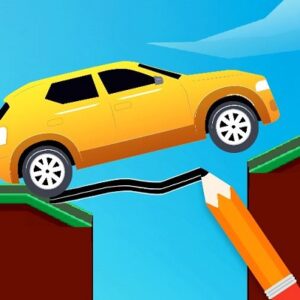
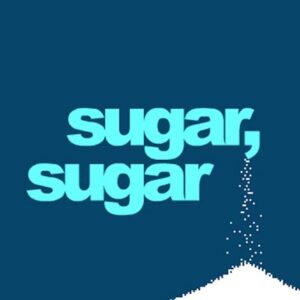
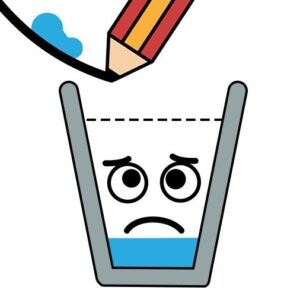
Several of these games treat linework as both the medium and the mechanic. Draw Bridges asks players to sketch structures that can support movement, which means the drawing must satisfy physical logic as well as visual intent. Happy Glass uses a similar idea, except the drawn line is a solution to a fluid puzzle: the player must guide water into the right place by understanding angles, distance, and gravity. Sugar Sugar pushes this approach further by turning line placement into a pathfinding exercise for flowing particles. The art element is immediate, but the underlying appeal comes from watching a drawing become a functioning system.
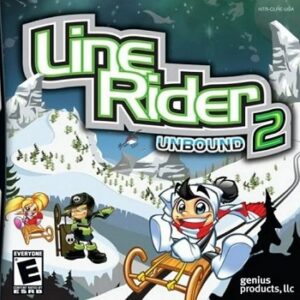
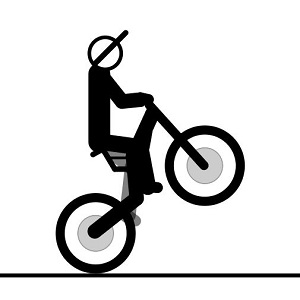
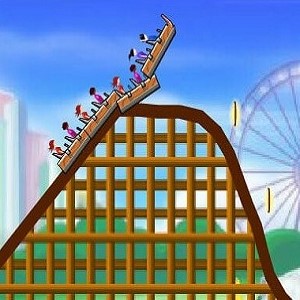
Line Rider 2 and Free Rider HD also build around drawn tracks, yet they emphasize different forms of control. Line Rider 2 tends to feel more like sculpting motion, while Free Rider HD expands the idea into stunt and vehicle behavior. Rollercoaster Creator sits nearby in design space, since it asks the player to draft a ride that needs to work as a sequence of slopes and drops. These games reward an eye for curves, momentum, and failure points, so the artistic act is inseparable from engineering.
Color, Cleanup, and Controlled Creativity
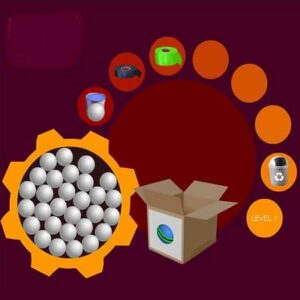
Not every art game is about inventing from scratch. Color by Number and Factory Balls 2 show how satisfying it can be to work toward a defined visual outcome. In Color by Number, the challenge is organization and patience: the player fills spaces according to a coded palette. Factory Balls 2 is more abstract, but it follows the same logic of deliberate transformation, where each action has to be sequenced correctly to reach the intended image. This kind of play is less about spontaneity than about accuracy and order.
Draw Tattoo and Car Drawing occupy a more character-driven space, where the pleasure comes from seeing a design take shape through a guided process. They are close to craft simulators in spirit, asking players to reproduce or complete something with care. Ninja Painter gives this same impulse a faster, more arcade-like form, turning painting into a movement and timing problem. The difference between these games is important: some art titles emphasize calm repetition, while others ask for coordination under pressure.
Music, Rhythm, and Performance as Creative Play
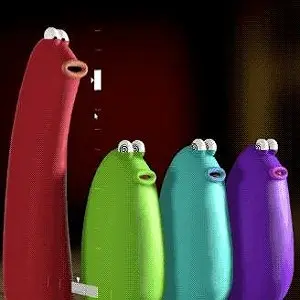
The art tag also includes games where creation is auditory rather than visual. Punk-o-Matic and Perfect Piano focus on arranging notes, chords, and rhythm, making the player feel like a composer or performer rather than a puzzle solver. Blob Opera takes that even further by turning vocal experimentation into the main attraction. Instead of chasing a score, players experiment with pitch and harmony, learning through ear and instinct. Friday Night Funkin connects to this creative side in a different way: it is not a composition toy, but its rhythm battles build on timing, phrasing, and musical identity.
These games highlight a key split inside the art tag. Some titles let players create freely, while others ask them to inhabit an artistic role through performance. Friday Night Funkin is more competitive and structured than Blob Opera or Perfect Piano, yet all of them rely on rhythm literacy. The player has to hear patterns, anticipate changes, and stay synchronized with the system.
Sketching Versus Solving: Two Sides of the Same Tag
The most interesting contrast in the art tag is between games that reward expression and games that reward correctness. Pinturillo 2 and Gartic.io turn drawing into a social guessing game, where the sketch is only useful if other players can interpret it quickly. That makes style secondary to clarity. By contrast, Free Rider 2 or Line Rider 2 can value elegance and experimentation, since the track itself is the object being appreciated. One group treats art as communication, the other as construction.
That distinction also shapes player motivation. Some players are drawn to the satisfaction of finishing a neat image or solving a visual puzzle. Others want the freedom to experiment, even if the result is messy. The tag supports both instincts. Trivia Crack and Google Santa Tracker sit at the edge of the category, showing that art-adjacent browser play can include playful presentation, themed interaction, and light creative framing even when the core loop is not traditionally artistic.
Why These Games Reward Practice
Art games often become better the more familiar the player is with the tools. In Free Rider HD, better tracks come from understanding momentum. In Happy Glass, smarter lines come from learning how water behaves. In Gartic.io and Pinturillo 2, improvement comes from drawing faster and more legibly under social pressure. In Friday Night Funkin, mastery depends on timing and pattern recognition. The skill curve in this tag is usually visible: players see their own improvement in cleaner drawings, better solutions, more accurate rhythm input, or more readable sketches.
That is part of the appeal of art games in browser form. They are often easy to start but reveal depth through repetition, whether the goal is to compose a tune in Punk-o-Matic, paint carefully in Ninja Painter, or build a working track in Rollercoaster Creator. The player is always making decisions that leave a visible or audible trace, and the best games in the tag use that trace as both feedback and motivation.
 Oh My Goth
 Haaland Coloring Book
 Punk-o-Matic
 Perfect Piano
 Draw Tattoo
 Draw Bridges
 Sand Painting
 Drawize
 Thisissand
 Highschool Mean Girls 2
 Free Rider 2
 Car Drawing
 Factory Balls 2
 Blob Opera
 Ninja Painter
 Line Rider 2
 Trivia Crack
 Sugar Sugar
 Free Rider HD
 Google Santa Tracker
 Happy Glass
 Rollercoaster Creator
 Friday Night Funkin
 Pinturillo 2
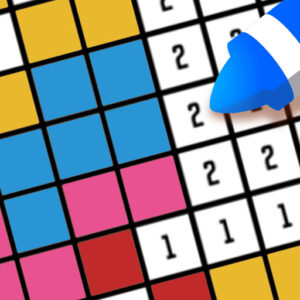 Color by Number
 Gartic.io
 Virtual Drum
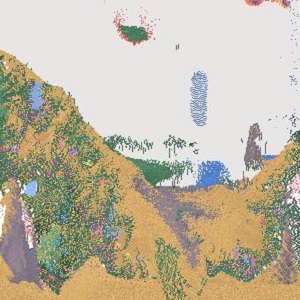 Sandspiel
 Chainsaw Dance
 Pixel Art
 Skribbl.io