What Animal Games Are Really About
Animal games cover a wider range of play than the label suggests. In this tag, animals are not just decorative themes; they are often the central unit of progression, movement, or management. Some games cast the player as a creature trying to survive, train, or evolve, while others turn animals into the workforce, the combatants, or the entire structure of a strategy system. The common thread is that animal behavior, anatomy, or symbolism shapes the rules.
That is why Duck Life, Duck Life 5, and Duck Life 8: Adventure sit comfortably beside My Dolphin Show and Dragon Simulator 3D. In one group, animals are trained through mini-games and stats; in another, they are controlled directly for performance or exploration. The player is not simply watching cute creatures do things. The player is learning how each game turns animal identity into a set of skills to improve.
Training, Growth, and the Loop of Improvement
Several animal games in this tag are built around long-form progression. Duck Life and its later entries turn a duck into a training project, with repeated practice feeding into better performance and access to tougher challenges. Duck Life 7: Battle adds a sharper competitive edge, shifting the focus from pure athletic development toward combat readiness. Duck Life 8: Adventure extends the formula further by tying progression to exploration, so advancement is not just about better stats but about opening up more of the game world.
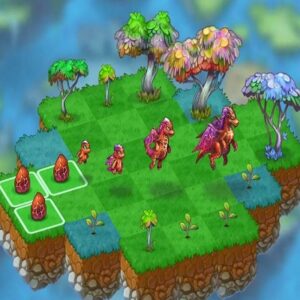
Merge Dragons works from a different angle but uses a similar motivational structure. Instead of training one creature, the player combines dragon-related pieces into stronger forms, turning repetition into gradual transformation. The same appetite for growth appears in Dragon World, though with more direct creature fantasy: the appeal comes from building familiarity with a dragon-centered system and seeing that system deepen over time. These games reward patience, pattern recognition, and the willingness to repeat efficient actions for visible results.
Animals as Competitors, Fighters, and Earned Progress
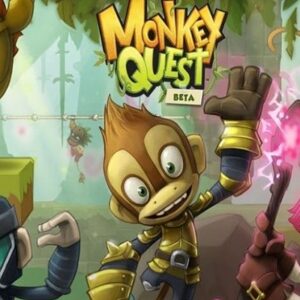
A number of these games use animals in competitive frameworks where mastery matters more than theme alone. Bloons Monkey City blends monkey identity with city-building and tower-defense logic, giving the animal tag a strategic role rather than a mascot role. Monkey Quest leans toward adventure progression, while Chicken Invaders flips the joke into a fixed-action shooter where birds become the threat and the player’s timing and positioning determine survival.
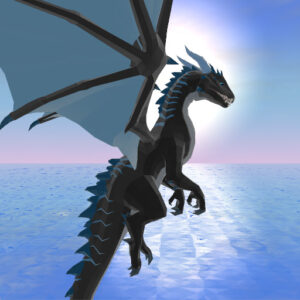
Rio Rex and Dragon Simulator 3D are good examples of animal power fantasy taken in different directions. One centers on destructive dinosaur action, the other on roaming as a dragon in three dimensions. Both rely on direct control and short-horizon decision-making, but their challenge structures differ: Rio Rex emphasizes rampage and target destruction, while Dragon Simulator 3D gives players more room to inhabit the creature itself. The distinction matters. Some animal games are about winning efficiently; others are about expressing a creature’s capabilities through movement and attack patterns.
Direct Control, Timing, and Small-Space Skill
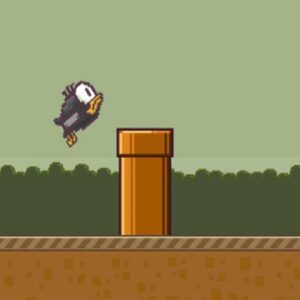
There is also a strong cluster of animal games built around reflexes and precision. Flappy Bird 2 compresses the entire idea of control into tap timing and error avoidance. Cat Ninja uses a feline protagonist to frame platforming and obstacle navigation, making agility part of the character identity as well as the mechanics. Whack A Mole reduces the experience to rapid response and pattern recognition, showing how an animal motif can support a pure reaction test.
Ducklings.io sits between action and route planning. The player’s challenge is not just speed but also managing space and movement safely while gathering ducklings. That same tension between control and risk appears in many smaller animal-based browser games: they are easy to understand immediately, but they become demanding when the player starts aiming for cleaner runs, fewer mistakes, or better efficiency.
Creatures as Workers, Customers, and Systems
Animal games are not always about motion. Goodgame Big Farm and Cat Coffee Shop use animals as part of an economy of production and service. In farm-style play, animals often support resource loops: feed, collect, expand, and optimize. In a management setup like Cat Coffee Shop, the animal theme softens the logic of scheduling and customer flow, but the underlying play is still about order, pacing, and satisfying needs in the correct sequence.
This is one reason the animal tag has such range. The same theme can support arcade reflexes, strategic planning, collection systems, and management sim routines. Players who like clear goals and measurable progress gravitate toward the farm and city-building side, while players who prefer short-session skill tests tend to prefer the action and timing games.
How Animal Games Teach Skill Through Familiar Creatures
The strongest animal games tend to use their creatures to make systems easier to read. Ducks run, jump, race, and battle in ways that translate cleanly into progression. Monkeys stand in for tactical agency in Bloons Monkey City and journey-based play in Monkey Quest. Cats become agile platforming figures in Cat Ninja and service-oriented icons in Cat Coffee Shop. Even when the gameplay is abstract, the animal identity gives players a quick model for what kind of action matters.
That readability helps these games support mastery. A player returning to Duck Life 5 or Duck Life 7: Battle starts to understand training efficiency, stat balance, and event order. Someone returning to Merge Dragons begins to see merge chains and spacing more clearly. In Bloons Monkey City, improvement comes from reading map pressure and planning defense placement; in My Dolphin Show, it comes from chaining actions cleanly and hitting timing windows. Across the tag, animal games keep turning simple creature fantasies into systems that reward sharper execution, better planning, and a stronger grasp of how the rules fit together.
 Capybara Mart
 Animal Hospital (Anomaly)
 Animal Hospital Online
 Steal An Egg
 Goat Rampage
 Super Bear Adventure
 Meccha Chameleon
 Rust & Rope
 Bouncemasters
 Beast Clash
 Meeland.io
 Wobbly Pets
 Rooster Road
 Horse Magnifier
 Escape Animals
 2048 Rogue
 Deer Adventure
 Cowboy Safari
 Chill Guy Clicker
 Crazy Shark
 Capybara Clicker
 Duck Life 3
 Wild Kratts Amazin Amazon
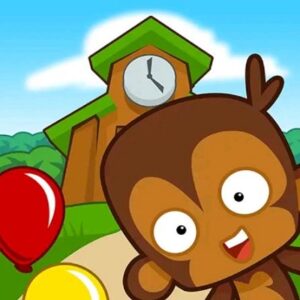 Bloons Monkey City
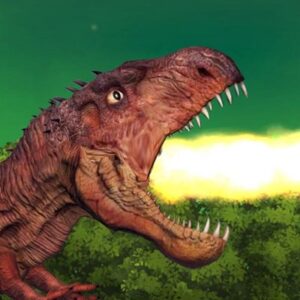 Rio Rex
 My Dolphin Show
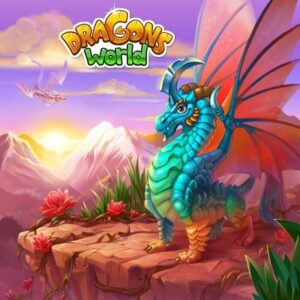 Dragon World
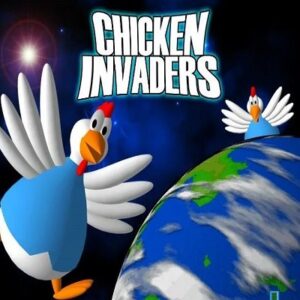 Chicken Invaders
 Dragon Simulator 3D
 Duck Life
 Goodgame Big Farm
 Duck Life 8: Adventure
 Monkey Quest
 Miner Cat 4
 Cat Coffee Shop
 Frog Rush
 Merge Dragons
 Ducklings.io
 Cat Ninja
 Duck Life 7: Battle
 Flappy Bird 2
 Duck Life 5
 Whack A Mole
 Bongo Cat
 Magic Cat Academy
 Charger Escape
 Taming.io
 Panda Simulator 3D
 Idle Ants
 Butterfly Kyodai