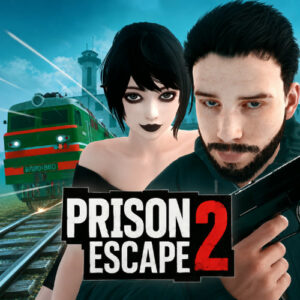
 Prison Escape 2

Third Person Shooter Games Built Around Movement and Positioning
Third person shooter games put the camera behind the character, which changes the whole logic of shooting. Visibility is wider than in first-person games, so dodging, peeking, and using cover matter just as much as aiming. In this tag, Prison Escape 2, City Sniper, FallZone.io, Free Fire, and 2v2.io show how flexible the format can be. Some games lean into open combat, others into sneaking, ranged picks, or short competitive matches, but they all depend on reading space and staying mobile.
The camera also makes character movement part of the challenge. A player is not only tracking targets, but also deciding when to strafe, retreat, climb, or shift angle. That is why third person shooter design often feels more tactical than purely reaction-based. In a match like Free Fire or 2v2.io, survival depends on being hard to hit while still staying close enough to pressure opponents.
Cover, Angles, and the Value of Seeing More
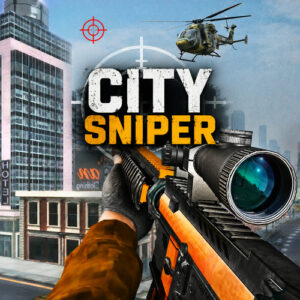
Because the character remains visible on screen, cover is easier to manage and easier to exploit. This leads to a strong emphasis on corners, walls, rooftops, and sightlines. City Sniper highlights the opposite side of the format: long-range precision still matters, but the third person viewpoint keeps situational awareness in play. A player can watch the environment around the character while lining up shots, which changes the rhythm of aiming and repositioning.
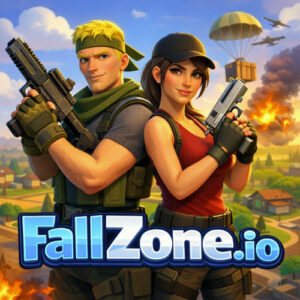
In action-heavy games such as FallZone.io, this wider view helps with survival in crowded spaces. The player can judge nearby threats, track movement across the arena, and choose safer routes before committing to a fight. That mix of awareness and deliberate movement is one of the strongest patterns across the tag.
Close-Quarters Pressure and Fast Decision-Making
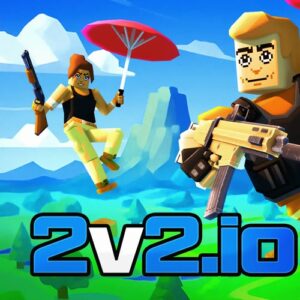
Not every third person shooter is about distance. 2v2.io concentrates combat into compact encounters where reaction speed and team coordination matter. Small arenas leave less room for long tactical setups, so positioning becomes immediate and readable. The same pressure appears in Prison Escape 2, where movement through enclosed areas and encounter timing can matter as much as gunplay itself.
Short-range fights force a different skill set from sniping or map control. Players need to manage camera angle, keep track of opponents moving around the character, and decide quickly whether to push or disengage. That creates a style of play where hesitation is often punished, but reckless aggression is too. The best results usually come from controlled movement and clean timing.
Battle Royale Structure and the Push for Survival
Free Fire and FallZone.io represent the survival-driven side of third person shooters. In these games, the objective is not just to win a firefight, but to last longer than everyone else while gathering resources, choosing safe positions, and avoiding bad engagements. The third person perspective supports that loop by letting players check surroundings without fully exposing themselves.
This survival format attracts players who enjoy adapting to changing conditions. A match can shift from quiet movement to sudden firefights, and the ability to spot danger before it becomes direct pressure is a major advantage. Unlike tighter arena shooters, battle royale-style third person games often reward patience, map reading, and knowing when not to fight.
Team Play, Solo Skill, and Different Ways to Compete
The tag covers both individual performance and coordinated play. 2v2.io pushes teamwork into the foreground, where partners need to support each other and make fast shared decisions. Free Fire also rewards coordination when played in team formats, especially when players divide roles between scouting, pressure, and recovery. Even when the game is more individual, the same habits still matter: staying near useful terrain, tracking enemy movement, and avoiding isolation.
That range is part of what defines third person shooter games. Some players prefer direct duels and short rounds. Others want the longer tension of surviving a map and controlling risk. The shared thread is that success usually comes from combining aim with movement discipline, not from aim alone.
What Keeps the Tag Varied
The collection shows that third person shooter games can support very different tempos without losing their identity. City Sniper leans toward precision, Prison Escape 2 toward mobility and escape-driven action, FallZone.io toward arena survival, and 2v2.io toward compact competitive pressure. Free Fire sits across several of those ideas at once, mixing positioning, survival, and combat variety.
That variety gives the tag broad appeal. Some players want the clearer spatial awareness of third person aiming. Others want the tactical use of cover or the ability to scan danger while moving. Across the games in this tag, the core appeal stays consistent: success comes from controlling space, judging angles, and using the camera to stay one step ahead of the fight.