 Tanks
Tanks



Tank Games Built Around Positioning, Armor, and Firepower
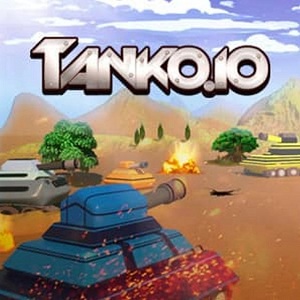
The Tank tag brings together games that turn heavy vehicles into tactical tools rather than simple weapons. Across World of Tanks, Battle Gear 2, Tank Trouble 2, and Tank Wars, the core appeal is not just shooting first but controlling space, angling for advantage, and surviving longer than the other side. Even when the presentation is lighter, as in BlockTanks.io or Tanko.io, the same design idea remains visible: tanks are strongest when movement, timing, and map awareness work together.
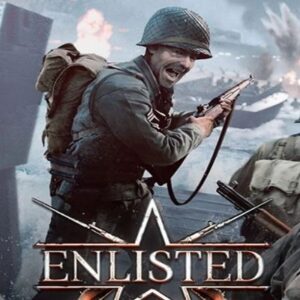
This tag also shows how flexible the tank concept can be. Some games lean toward direct duels and quick reactions, while others use larger battles, upgrades, or squad-style combat. Enlisted and Endless War push tank play into broader conflict, where armor supports a larger battlefield role. Awesome Tanks 2 and the Bubble Tanks series treat tank progression as a central loop, rewarding careful clearing and steady growth. The result is a tag defined less by one format than by a shared idea of armored pressure.
Movement and Positioning Matter as Much as Shooting
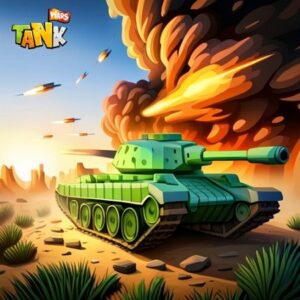
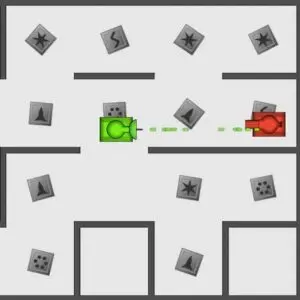
Tank games often reward players who treat movement as defense. In Tank Trouble 2 and Tank Wars, a poor angle can be fatal even when firepower is equal. The tank body is usually large, slow, or committed, so each turn becomes a decision about exposure. That makes map geometry important: walls, corners, and narrow lanes become part of the combat system.
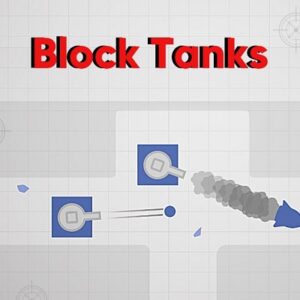
Copter Io and BlockTanks.io also show how tank-style action can depend on navigating tight spaces while avoiding incoming fire. Instead of charging straight ahead, players often need to reposition constantly, using movement to create openings. This is one reason the genre attracts players who enjoy reading terrain and forcing opponents into awkward lines of attack.
Progression Loops Turn Basic Tanks Into Stronger Machines
Several games in the tag build their appeal around growth. Diep.io, Bubble Tanks, Bubble Tanks 2, and Bubble Tanks 3 all use progression as the main engine: defeat targets, collect rewards, improve capabilities, then push into more dangerous territory. That structure changes the meaning of every encounter, because each fight is both a threat and an opportunity to become more powerful.
Awesome Tanks 2 uses a similar sense of advancement through level clearing and equipment improvement, while Merge Master Tanks Tank Wars adds a combining system that emphasizes building a stronger unit from smaller parts. These games appeal to players who like visible growth and long-term planning, since a tank is rarely just a starting point. It becomes a platform for upgrades, specialization, and more ambitious routes through the game.
Large-Scale Battles Give Tanks a Strategic Role
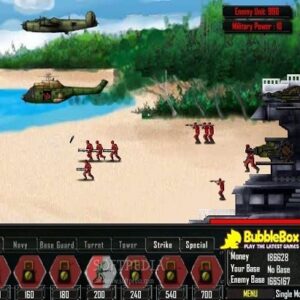
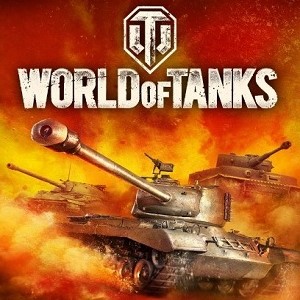
Not every tank game is about a compact arena. World of Tanks, Enlisted, and Battle Gear 2 place armor within broader military systems, where tanks support front lines, hold territory, or break defensive formations. In these games, a tank is rarely isolated; it functions as part of a larger battle plan. That shifts the focus from pure dueling to coordination, target priority, and choosing when to commit.
This wider battlefield style also changes pacing. Instead of constant skirmishes, there may be moments of movement and setup followed by sudden bursts of combat. Tank play becomes a mix of patience and pressure. Players who enjoy tactical roles often gravitate toward these games because success depends on more than aim. It also depends on understanding when armor should advance, when it should hold, and when it should support other units.
Short Matches, Fast Restarts, and Constant Pressure
A different branch of the Tank tag focuses on quick rounds and immediate feedback. Tank Trouble 2, Tank Wars, and BlockTanks.io are built for repeated clashes where mistakes are costly but the next attempt is never far away. That structure keeps the action sharp and makes small improvements easy to notice. A better route through a map, a cleaner shot, or a smarter retreat can matter within seconds.
This style also supports multiplayer rivalry. Because rounds are short, the tension comes from direct competition rather than long campaigns. Tanko.io and Diep.io use that format especially well, turning each session into a cycle of survival, pressure, and adaptation. The appeal is straightforward: players who like quick decision-making can jump in, learn the map behavior, and keep refining their timing without waiting for long resets.
Tank Design Changes When the Camera and Controls Change
The tag includes more than one interpretation of what tank combat should feel like. Some games emphasize top-down precision, while others use a broader action framework. Endless War and Enlisted place tanks into war settings where the player must think beyond a single vehicle. Battle Gear 2 leans toward command and battlefield placement, while Awesome Tanks 2 keeps the action focused and compact.
That variety matters because it changes the skill being tested. In one game, the challenge may be reaction and survival. In another, it may be target selection or advance timing. The Tank tag therefore works as a collection of related combat styles rather than a single formula. Across all of them, though, tanks remain identifiable by the same qualities: heavy presence, deliberate movement, and the need to make every attack count.