Running Games Built Around Momentum and Reaction
Running games on browser platforms tend to revolve around one core idea: forward motion never really stops, and the player’s job is to stay alive, stay efficient, or stay ahead of an obstacle course. The games in the Running tag show how broad that simple premise can become. Run 3, Slope 2, and Death Run 3D lean on continuous movement and reflex control, while Run Race 3D, Obby Blox Parkour, and Tomb Runner turn the same principle into lane changes, jumps, and timed navigation through hazards. The result is a tag shaped by pace, timing, and the constant pressure of what comes next.
Obstacle Courses, Timing Windows, and Clean Inputs
A large part of the appeal comes from the way these games strip movement down to readable decisions. Run 3 asks for careful path selection in narrow corridors, while Ice Dodo and Tunnel Runner emphasize steering through tight spaces where even small mistakes matter. T-Rex Run 3D and Om Nom Run use familiar side-scrolling structures, but they still depend on quick reactions to jumps, gaps, and barriers. Even in more stylized forms, such as Vector Rush and Flood Runner, the gameplay is built around recognizing patterns early and committing to a move without hesitation.
That clarity is a major reason running games remain accessible. A player does not need to learn complex systems before understanding the goal. The challenge comes from consistency under pressure, and the better games in the tag keep expanding that test with faster pacing, tighter tracks, or more punishing hazards.
Endless Progression and Score Chasing
Some games in the tag focus less on reaching a finish line and more on lasting as long as possible. Slope 2 and Death Run 3D are strong examples of that style, where survival becomes a score in itself. Run 3 also fits this pattern in spirit, since repeated attempts are about learning routes and extending a run rather than solving a level once and moving on. The design encourages players to treat failure as part of the process, with every attempt revealing a little more about spacing, rhythm, and route memory.
This structure changes how progress feels. Instead of steady story advancement, players are chasing personal improvement, better control, and cleaner execution. That is why running games often create short, repeatable sessions that still reward persistence.
Running as Character Progression
Not every game in the tag treats running as pure movement. The Duck Life series takes the idea in a different direction by linking running to training, stat growth, and long-term development. Duck Life 5, Duck Life 7: Battle, and Duck Life 8: Adventure all build a broader loop around preparing a character, improving abilities, and then using those gains in races or challenges. Duck Life and its sequels show that running can be a skill to train rather than just a reflex to execute.
That shift gives the tag more variety than a simple action category would suggest. Some games are about immediate responsiveness, while others connect running to progression systems, resource use, and character management. The appeal changes too: one player may want quick reaction tests, while another prefers a sense of growth over many attempts.
Comedy, Chaos, and Unusual Runners
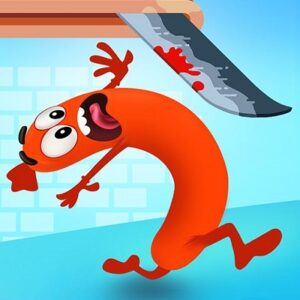
Several titles in the tag approach running from a more playful angle. Run Sausage Run uses slapstick danger to turn movement into a survival gag, and Shopping Cart Hero pushes the idea of running into launch-based momentum and physics-driven stunts. Glove Power and Sprinter also lean into character-specific movement, giving the running formula a distinct identity instead of a generic sprint.
These games matter because they show how flexible the tag can be. Running does not have to mean a standard race or a straight obstacle course. It can be a joke, a stunt, or a physics problem. That variety keeps the tag from feeling repetitive even when the underlying action remains familiar.
Competition, Speed, and Direct Performance
Some entries are structured around overt competition, where speed is measured against opponents or against the clock. Run Race 3D makes that logic easy to read through track-based races and quick transitions between movement states. Sprinter keeps the focus on clean race performance, while Duck Life 7: Battle adds competition through trained attributes rather than raw reflexes alone. In each case, running becomes a performance metric, not just a method of traversal.
This competitive side of the tag attracts players who want immediate feedback. Every mistake is visible, and every improvement shows up in the next attempt. That directness is a major part of why running games work so well in short browser sessions.
Verticality, Parkour, and Route Awareness
The more advanced games in the tag often ask players to think beyond forward motion. Obby Blox Parkour and Tomb Runner both depend on route awareness, especially when jumps, elevation changes, and narrow safe paths break the run into micro-decisions. Run 3 does similar work by pushing players through rotating tunnels and branching lanes, while Ice Dodo and Vector Rush reward precise control in environments that can shift the player’s sense of direction.
In these games, success is less about raw speed than about reading the course fast enough to keep momentum without losing control. That balance between pace and caution is what gives the Running tag much of its lasting appeal.
 ScaleMan 3D
 Tallman Run
 Digit Shooter
 River Drift
 Sonic Mania Plus
 Skate Hooligans
 +1 Speed Keyboard Escape: Obby
 Tap Road 2
 Roblox Parkour Adventure
 +1 Speed ASMR Keyboard Escape
 +1 Speed Monkey Escape
 Zombie Dash
 SpeedEscape.io
 Blocky Runner
 +1 Speed Keyboard Escape
 Kick Lucky Blocks Online
 Skate Dash
 Stumble Race
 Run And Jump For Brainrot
 Shoot and Run Ultimate
 Wurst Dash
 Rotate Rush
 Long Leg Master
 Track Dash
 Ruby Raid
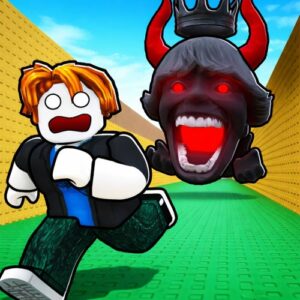 Don’t Get Crushed By 67
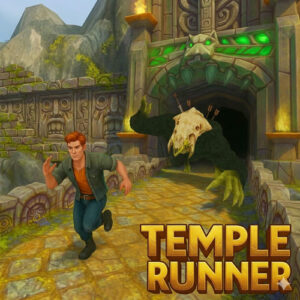 Temple Runner
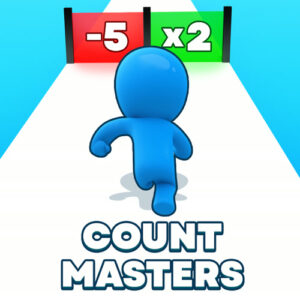 Count Masters
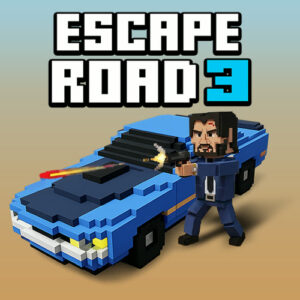 Escape Road 3
 Monster Squad Rush
 Escape Animals
 Wacky Steps
 Wave Rider
 EscapeWaves.io
 Slope
Slope
 Escape Tsunami Brainrots Online
 Survive Lava for Brainrots!
 Parkour Online
 Escape School Duel
 Slide Down
 Escape Road City 2
 Cowboy Safari
 Rooftop Rush
 Duck Life 3
 Extreme Pamplona
 Run 3
Run 3
 Duck Life
 Tunnel Runner
 Vector Rush
 Run Sausage Run