Monsters as a Game Topic Built on Power, Threat, and Transformation
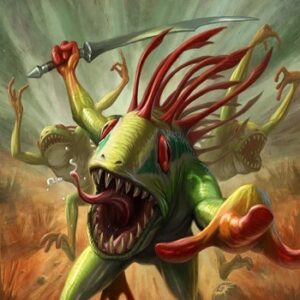
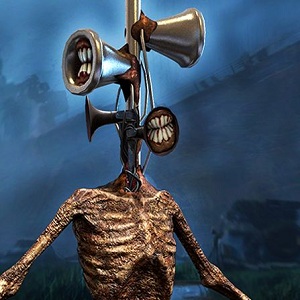
The monster tag covers a wide spread of browser games, but they tend to share a clear design goal: putting players in contact with forces that are larger, stranger, or more disruptive than ordinary characters. In Rio Rex and Feed Us, the monster is the tool of chaos, with destruction and predation taking the lead. Siren Head, Keep Out, and Godzilla Daikaiju Battle Royale lean harder into danger, turning monster encounters into survival pressure or direct confrontation. Other games, such as Dynamons World, Murloc RPG, and Creatur.io, use monster identity as part of collection, growth, or competitive evolution rather than simple fear.
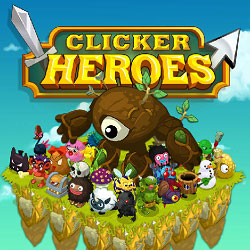
That range matters. The tag is not only about horror creatures or giant lizards; it also includes hybrid forms, fantasy beasts, and creature-based systems where progression is tied to becoming more powerful, more specialized, or more dangerous. Clicker Heroes, Pokemon Clicker, and Mineclicker show how monster themes can fit incremental play, while Magic Hands, Bowmaster Prelude, and 10 Minutes Till Dawn use waves, targets, and enemy pressure to create a fast combat loop. The result is a tag that rewards players who enjoy growth systems as much as direct action.
When the Monster Is the Weapon
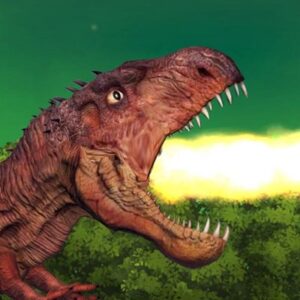
Some of the strongest entries in this tag make the monster itself the central fantasy of control. Rio Rex and Feed Us both put the player in command of a predator moving through a hostile environment, and the satisfaction comes from turning vulnerability into dominance. The same idea appears in a different form in Godzilla Daikaiju Battle Royale, where giant-scale combat shifts the focus from stealth or avoidance to force, reach, and endurance.
These games usually work best when destruction becomes a readable system. Buildings, enemies, and hazards are not just background elements; they are resources, obstacles, or targets that define movement and timing. That gives the monster tag a distinct flavor compared with standard action games. The player is not merely fighting monsters. In many of these titles, the player is the monster, or at least operating from that viewpoint.
Collection, Evolution, and Creature Growth
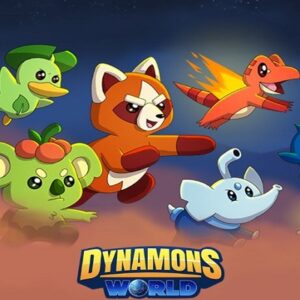
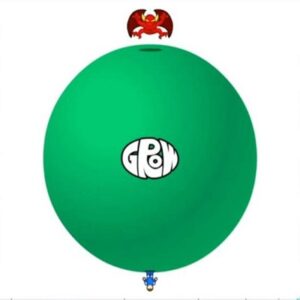
Another major branch of the tag centers on raising or assembling monster power over time. Dynamons World and Murloc RPG lean into creature progression, while Creatur.io treats growth as a competitive advantage in a shared arena. Grow RPG fits the same broader pattern through systems that reward smart development rather than immediate aggression. In all of these, monster identity is tied to advancement, not just appearance.
Pokemon Clicker, Clicker Heroes, and Mineclicker show how the monster tag can intersect with idle or incremental design. Progress is often less about precise execution and more about layering upgrades, unlocking stronger forms, and watching numbers scale. That structure attracts players who like long-term buildup, especially when the game keeps the creature theme visible through each new stage of power. Even when the play loop is simple, the appeal lies in managing growth efficiently.
Pressure, Survival, and Short Bursts of Combat
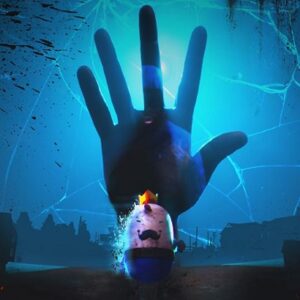
Some monster-tagged games use enemies as a constant source of pressure instead of a collectible layer. 10 Minutes Till Dawn is built around surviving a concentrated stretch of combat, and Keep Out pushes a similar sense of tension through hostile encounters and defensive play. Sudden Attack and Bowmaster Prelude show that monster-adjacent action can also rely on aim, spacing, and reaction speed rather than brute strength.
What connects these games is the way they force quick decisions. The player has to manage threats before they close distance, and each action has an immediate consequence. Compared with the slower progression loops of clickers or RPGs, these games are defined by moment-to-moment survival. That makes the monster tag feel more aggressive here: monsters are not long-term companions or collection goals, but a source of repeated pressure that shapes every move.
Fantasy Combat and Role-Playing Systems
Browser games with monster themes often pair well with RPG structures because creatures naturally support leveling, equipment, and encounter-based progression. Magic Hands, Grow RPG, Dynamons World, and Murloc RPG all rely on this relationship in different ways, blending combat with growth and a sense of unfolding capability. The player usually starts underpowered, then expands options through upgrades, abilities, or new creature forms.
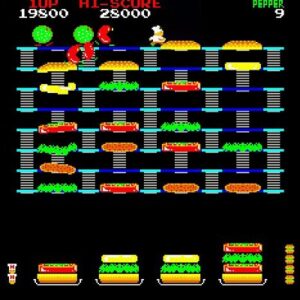
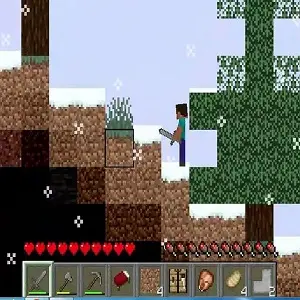
Paper Minecraft and Burger Time sit at the edges of the tag in a looser sense, showing how monster-related play can also emerge through survival, enemy patterns, or unusual character pressure rather than explicit monster collection. The common thread is role definition: the game asks the player to respond to a world that is structured around threat, adaptation, and resource use. Monster games with RPG systems often last longer because the challenge is not only surviving one encounter, but learning how to build toward the next one.
Monsters as Arena Rivals
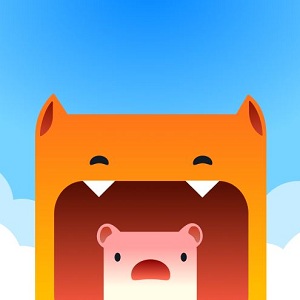
A final pattern appears in games that treat monsters as competitors in a living ecosystem. Creatur.io is the clearest example, using growth and positioning to create a contest where size and timing matter equally. Basket Monsterz and Paper Minecraft show how monster-themed or monster-adjacent design can be folded into lighter competition or open-ended play, where the creature label is less important than the systems built around it.
This side of the tag tends to attract players who enjoy reading other actors in the space rather than fighting scripted bosses. Relative position, pathing, and the ability to capitalize on mistakes become more important than raw damage output. Compared with the giant-monster destruction games or the survival-focused action titles, these games make monsters feel social: they are part of a crowded field where advantage can change quickly.
Why the Monster Tag Stays Varied
The strength of this tag is its flexibility. Rio Rex and Godzilla Daikaiju Battle Royale emphasize scale and destruction. Clicker Heroes, Pokemon Clicker, and Mineclicker turn creature themes into upgrade loops. 10 Minutes Till Dawn, Siren Head, and Keep Out push monsters into survival and combat pressure. Dynamons World, Murloc RPG, and Creatur.io use monsters as evolving entities rather than fixed enemies.
That variety is what gives the tag its shape. Players drawn to the monster theme may want destruction, collection, tension, or progression, and the listed games cover all of those impulses without collapsing into one formula. The tag works because monsters can be fearsome opponents, playable bodies, upgrade paths, or battlefield identities, depending on how the game chooses to frame them.
 Endacopia
 Hexbound
 Shoot and Run Ultimate
 Idols Of Ash
 Stick Hero RPG
 Poppy Playtime
 Monster Squad Rush
 99 Nights in the Forest
 Backrooms
 Hollow Knight: Silksong
 Undertale
 Hollow Knight
 The Freak Circus
 Pereelous
 Pokémon Emerald
 Little Nightmares
 Italian Brainrot Clicker 2
 Pokémon Overlord
 PokéPath TD
 Rio Rex
 Dynamons World
 Mineclicker
 Magic Hands
 Poker Quest
 Basket Monsterz
 10 Minutes Till Dawn
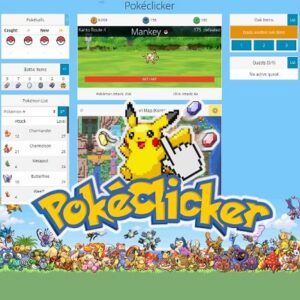 Pokemon Clicker
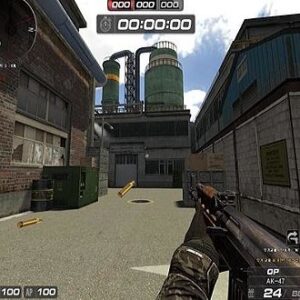 Sudden Attack
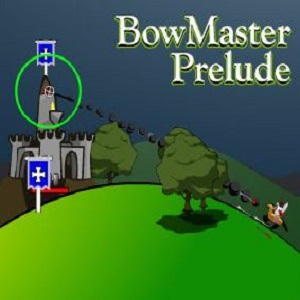 Bowmaster Prelude
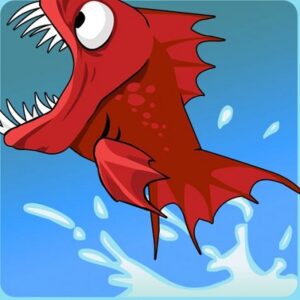 Feed Us
 Grow RPG
 Burger Time
 Paper Minecraft
 Keep Out
 Murloc RPG
 Clicker Heroes
 Siren Head
 Creatur.io
 Godzilla Daikaiju Battle Royale
 The Binding of Isaac
 Terraria