 Mine – Online



Mining Games Built Around Extraction, Upgrades, and Timing
Mining games on browser platforms usually revolve around a simple loop with a lot of depth hidden inside it: dig, collect, sell, improve, then dig deeper. That pattern shows up in very different forms across Mineclicker, Mr. Mine, Motherload, and Gold Digger. Some games treat mining as a steady progression system, while others lean on movement, precision, or survival. The tag covers both idle-style growth and more active dig-and-escape play, which is why it appeals to players who enjoy compounding rewards as much as moment-to-moment control.
What ties the collection together is the constant pressure to manage limited resources. Fuel, space, time, and tool strength all matter in different ways. In Aground and Grow Island, excavation sits inside a broader build-and-expand structure, so mining becomes one part of a larger economy. In Voxiom.io, the mining loop is tied to competitive play, where gathering materials supports fast building and combat decisions. Even when the genre shifts in tone, the core behavior stays recognizable: players strip away layers to gain access to better tools, richer materials, or new routes forward.
Idle Growth and the Satisfaction of Layered Progress
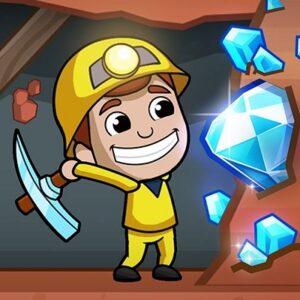
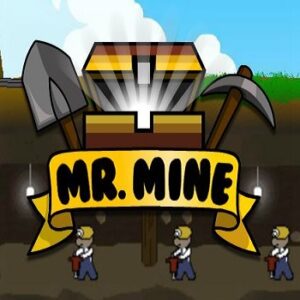
Several games in this tag focus on accumulation rather than reflexes. Idle Miner, Mineclicker, and Mr. Mine all build their appeal around steady upgrades that make each later run or session more productive than the last. These games are less about perfect execution and more about deciding when to reinvest, what to improve first, and how to keep production moving. That creates a different kind of tension: not whether a single action succeeds, but whether the entire system is growing efficiently.
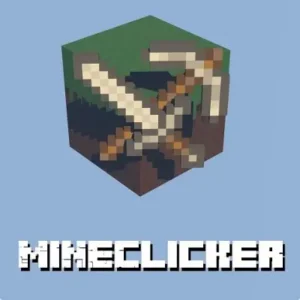
Mineclicker uses a click-driven structure that makes early progress very direct, while Idle Miner and Mr. Mine lean further into automation and expansion. The result is a familiar mining fantasy transformed into a management game. Instead of just digging for ore, players are often thinking about throughput, depth, and long-term returns. That makes these games attractive to anyone who enjoys seeing small improvements stack into larger gains.
Digging as a Skill Test, Not Just a Progress Meter
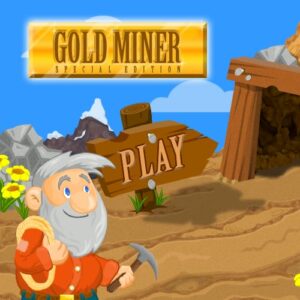
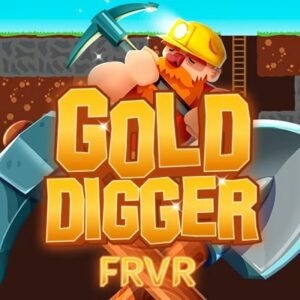
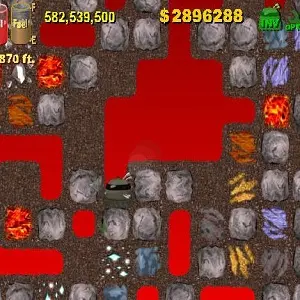
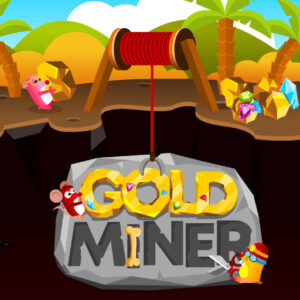
Other mining games keep the action more immediate. Motherload is a good example of a game where movement, fuel usage, and route planning matter just as much as the resources collected. Gold Miner narrows the focus even further, turning mining into a timing challenge built around positioning and precise grabs. Gold Digger follows a similarly active approach, where progress depends on careful movement through the terrain rather than passive accumulation.
These games show that mining can be a dexterity genre as well as a management genre. Players must judge when to push deeper and when to return with what they have already gathered. In Motherload, the underground layout creates risk every time the vehicle moves farther from safety. In Gold Miner, the challenge is less about navigation and more about nailing the right moment. Both styles reward focus, but they ask for different forms of discipline.
Materials, Depth, and the Pull of Better Equipment
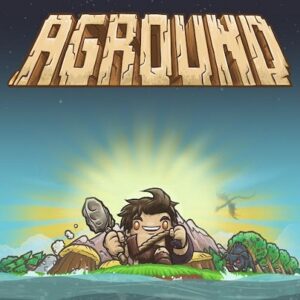
Mining tags often create long-term goals through better tools and stronger materials. That progression is especially clear in Mr. Mine and Motherload, where deeper layers usually imply better rewards and tougher conditions. Aground also fits this pattern, since exploration and crafting tend to expand what can be reached or built next. The deeper the player goes, the more the game shifts from simple gathering to deliberate planning.
This layer-based structure gives mining games a strong sense of direction. Early resources are useful, but they are also stepping stones toward more valuable materials. Players learn to treat every trip underground as part of a larger economic chain. In practical terms, that means deciding whether to spend resources on immediate survival, upgraded equipment, or better extraction capacity. The genre stays compelling because those choices keep changing as the mine opens up.
Mining as Part of a Larger World
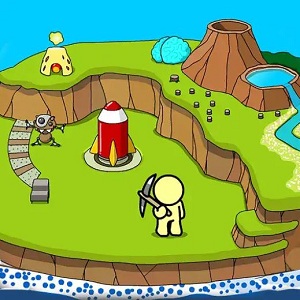
Not every game in the tag isolates mining as its only system. Aground and Grow Island both place resource gathering inside broader development loops, where mining supports construction and expansion. In Voxiom.io, mining is tied to a multiplayer arena, so the resources collected underground feed directly into combat readiness and map control. That is a different mindset from the solitary drill-and-sell structure of Mineclicker or Idle Miner.
This wider design makes the tag feel more flexible than a simple digging category. Some games use mining to pace economic growth, while others use it to shape tactical decisions. The same act of extracting materials can support a village, a machine, a base, or a firefight. That variety is a major reason mining games remain useful as a design framework: the mechanic is simple, but it adapts cleanly to different goals.
Why Mining Games Keep Returning to the Same Core Loop
The strongest common thread across Mineclicker, Mr. Mine, Motherload, Gold Miner, Voxiom.io, Aground, Gold Digger, Idle Miner, Grow Island, and Mine Blocks is the same sense of productive momentum. Mining games give players a clear task, visible progress, and a reason to keep improving tools or routes. Even when the pace changes, the structure remains easy to grasp and hard to exhaust.
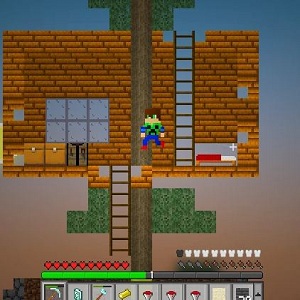
Mine Blocks adds a more open-ended sandbox feel to that formula, while the other games tend to steer mining toward efficiency, survival, or competition. Across the tag, the common appeal is not the ore itself but what the ore represents: advancement, access, and control over a growing system. That makes mining a versatile tag for players who like measurable progress and a steady chain of practical decisions.