 Brainrot Park



Merge Games Built Around Combining, Upgrading, and Making Space
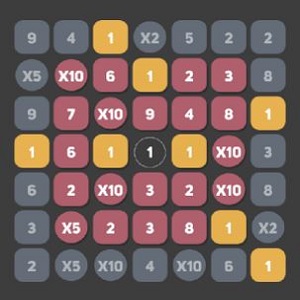
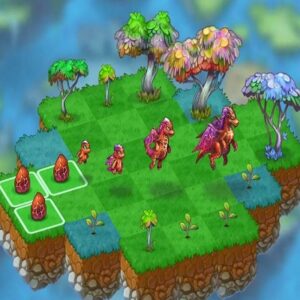
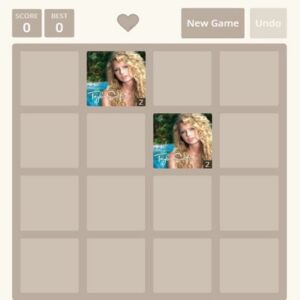
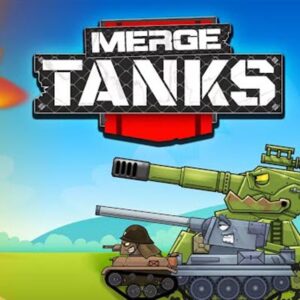
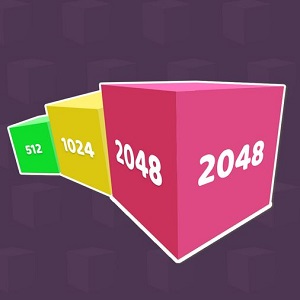
The Merge tag covers games that turn simple pieces into larger systems through combination. In Planet Merge, Cubes 2048.io, and 2048 Rogue, the core idea is direct stacking or joining of matching elements until a stronger piece appears. Little Alchemy and Little Alchemy 2 take the same principle in a more exploratory direction, asking players to test combinations and discover new results rather than chase a fixed board state. Merge Dragons adds progression, collection, and long-term space management, while Merge Master Tanks Tank Wars and Brainrot Park show how the same mechanic can be pushed into combat or management settings.
What ties these games together is not just matching, but pressure. Every merge changes the layout, frees room, and creates the possibility of a better move later. That tension between immediate payoff and future planning is the real structure behind the tag.
Matching Pieces Is Only the First Decision
In many merge games, the obvious move is not always the strongest one. Planet Merge and Cubes 2048.io reward efficient placement because one poorly positioned object can block several future merges. 2048 Rogue takes that logic and layers it into a more hazardous format, where route choice and board control matter as much as the merge itself. These games ask for a read on the next few turns, not just the current one.
That is part of why merge games remain flexible across genres. The basic action stays familiar, but the consequences change. In a compact puzzle, a merge clears space. In a more tactical setup, it may expose a new lane, improve a unit, or shift the entire state of play.
Discovery and Progression Drive the More Open-End Titles
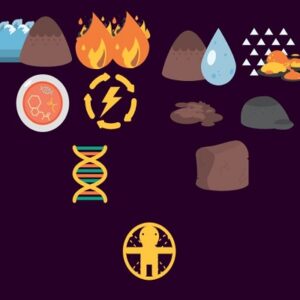
Little Alchemy and Little Alchemy 2 represent the discovery side of the Merge tag. Instead of optimizing a crowded board, the appeal comes from experimentation and pattern recognition. Players begin with limited ingredients and gradually build a library of known outcomes. The satisfaction comes from learning how systems relate to each other, then using that knowledge to produce increasingly unusual results.
This structure is very different from the numeric climb in Planet Merge or the spatial compression of Cubes 2048.io, but it still depends on the same design principle: combining lower-value parts into something more complex. The difference is that the game is less about preserving space and more about expanding understanding.
When Merge Systems Become Strategy Games
Some titles in the tag treat merging as a foundation for broader tactical play. Merge Master Tanks Tank Wars uses upgrades to shape battlefield strength, so the decision to combine units is tied to combat readiness. Merge Dragons adds another layer by making merges part of a larger cycle of collection, growth, and territory management. In both cases, merging is not the end goal; it is the way power is organized.
Brainrot Park suggests a similar management flavor, where merging may fit into a bigger system of layout, expansion, or optimization. These games tend to attract players who enjoy building toward efficiency. The merge itself may be simple, but the planning around it becomes increasingly important.
Speed, Space, and Pressure Shape the Pacing
The Merge tag includes both calm and tense experiences. Little Alchemy 2 supports a slower pace where experimentation can unfold at the player’s rhythm. 2048 Rogue and Cubes 2048.io, by contrast, make timing and positioning far more urgent. A mistake in a constrained board can end a run or stall progress entirely.
That range is one reason the tag appeals to different kinds of players. Some want the low-stress logic of combining elements and uncovering outcomes. Others prefer a more competitive or score-focused environment where merge decisions have immediate consequences.
The Merge Tag Rewards Pattern Recognition More Than Memorization
Even when the settings vary, the skill set remains consistent. Players learn to spot valuable pairings, anticipate how space will open up, and recognize when a merge should be delayed rather than completed immediately. Merge Dragons asks for broader resource awareness, while Planet Merge and Cubes 2048.io lean harder on shape management and sequence planning. Little Alchemy and Little Alchemy 2 shift that same skill toward discovery and logical association.
The strongest merge games make each combination feel like a small strategic decision. The action looks simple on the surface, but the best outcomes come from reading the board, understanding the available pieces, and knowing when a merge will create room for something better later.