FPS Games Built Around Aim, Positioning, and Constant Pressure
FPS games cover a wide range of play styles, but the common thread is clear: everything depends on first-person control, quick target acquisition, and reading space under pressure. The selection here shows how broad the tag can be, moving from arena combat in Repuls.io and Rush Team to the time-bending stunt shooting of Time Shooter and Time Shooter 3. Some titles lean toward straightforward firefights, while others add movement systems, objective play, or survival elements that change how each engagement unfolds.
That variety matters because FPS games reward different instincts. Crazy Shooters 2, Sudden Attack, and Pixel Warfare emphasize reflexes and clean duels, while Bank Robbery and Good Guys vs Bad Boys push players toward scenario-based action with a stronger sense of role and mission structure. The result is a tag that attracts both players who want quick skirmishes and those who prefer more layered match flow.
Gunplay Is Only Half the Problem
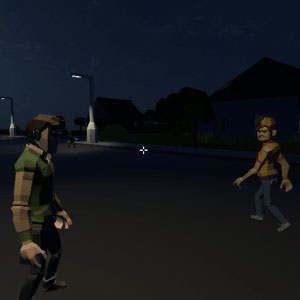
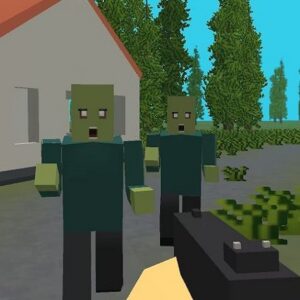
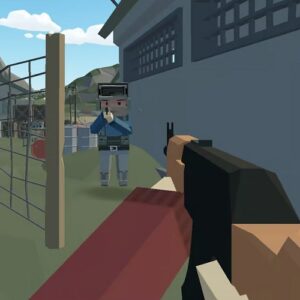
Many of these games turn shooting into a positioning test. Repuls.io and ShooterZ reward movement as much as accuracy, making map control and angle selection just as important as landing shots. Toon Off and Murderer create tension in tighter spaces, where a single bad turn can end a run or flip an encounter instantly. Even when the weapon handling is simple, the surrounding layout forces players to think in terms of cover, sight lines, and timing.
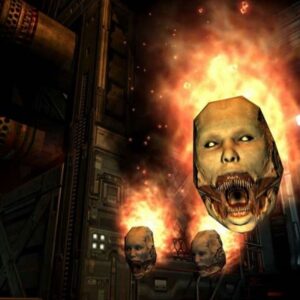
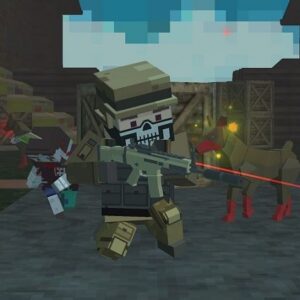
This is also where FPS design starts to separate into different rhythms. Doom 3 is built around heavier atmosphere and deliberate pressure, while Crazy Pixel Apocalypse 3 and Pixel Wars of Hero favor more open firefights and rapid repositioning. The mechanics may look similar at first glance, but the pace of decision-making changes considerably from one game to another.
Time Shooter and the Appeal of Tactical Slowdown
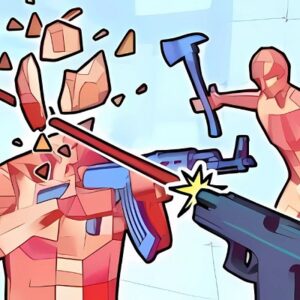
The Time Shooter series stands out because it uses a time-control idea to reshape familiar FPS action. Instead of relying only on raw reaction speed, Time Shooter 3: Swat and Time Shooter 3 make planning feel more visible. Movement, target choice, and spacing become part of the same action loop, and players can break down encounters into small, manageable decisions.
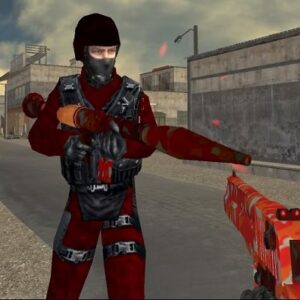
That approach appeals to people who enjoy precision without needing chaotic speed at every moment. It also creates a clear contrast with games like Funny Shooter and Crazy Shooters 2, where situations can become crowded quickly and players are expected to improvise on the fly. In the Time Shooter games, shooting is still central, but the route to success is more analytical.
Multiplayer Modes Keep the Tag Competitive
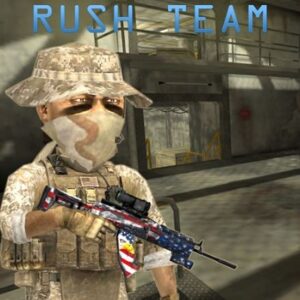
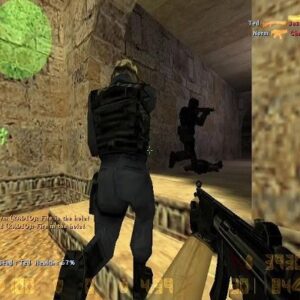
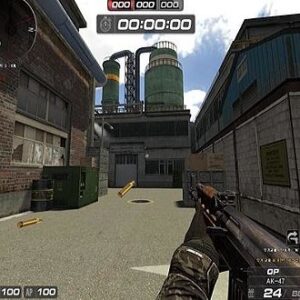
A large portion of the tag leans on player-versus-player structure. Rush Team, Sudden Attack, Pixel Warfare, Good Guys vs Bad Boys, and Toon Off all reflect the appeal of direct competition, where performance is measured against other players rather than set encounters. These games usually depend on fast adaptation: reading spawn patterns, adjusting to enemy pressure, and using the map efficiently.
What separates one multiplayer FPS from another is often the balance between accessibility and discipline. Pixel Warfare and Craftnite.io use blocky presentation and simple rules to lower the entry barrier, while Rush Team and Sudden Attack suggest a more traditional team-based shooter structure. Repuls.io sits between those extremes by combining arena movement with online combat flow.
Blocky Maps, Simple Arsenal, Clear Readability
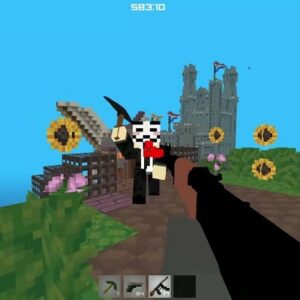
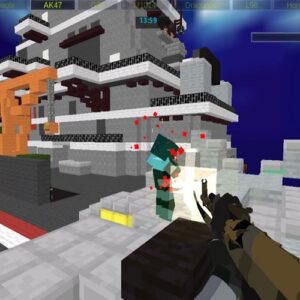
Several games in this tag use voxel or low-detail presentation, and that visual style changes how FPS action feels. Craftnite.io, Pixel Warfare, Crazy Pixel Apocalypse 3, and Pixel Wars of Hero all rely on clean shapes and readable silhouettes, which helps players track threats quickly. In these games, the appeal often comes from clarity: it is easy to tell where opponents are, where cover sits, and how space is being used.
That simplicity also makes experimentation easier. New players can focus on movement and shooting without processing heavy visual detail, while experienced players can work on route control and combat timing. The result is a style of FPS that feels approachable without giving up the usual competitive demands of aiming and reaction speed.
When FPS Design Leans Into Survival and Scenarios
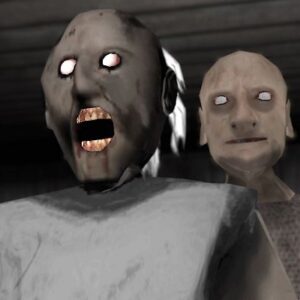
Not every game in the tag is built around pure arena combat. WorldZ and Granny 2 show how FPS elements can fold into survival or escape-driven structures, where awareness and caution matter more than constant aggression. Bank Robbery adds a different kind of scenario pressure, turning the shooter format into a mission-based setup rather than a simple deathmatch loop.
These games broaden the tag by showing that first-person shooting can support different forms of tension. Some titles ask for steady combat readiness, while others use limited resources, enemy pursuit, or objective pressure to make every movement matter. That range is part of what keeps FPS games varied: the viewpoint stays familiar, but the surrounding goals change the entire feel of play.
Why This Tag Draws Both Casual and Dedicated Players
The FPS tag works because it contains both immediate action and room for mastery. Funny Shooter and Murderer offer fast access to the core loop, while Sudden Attack, Rush Team, and Repuls.io reward repeated play with sharper decision-making. Even within a single collection, players can move from simple reaction tests to more tactical team combat or objective-driven encounters.
That flexibility explains the strength of the tag. Someone may arrive for the straightforward gunplay of Crazy Shooters 2 or Time Shooter 3, then stay for the deeper spacing, map reading, and opponent tracking found in Good Guys vs Bad Boys, Toon Off, and Doom 3. The shared first-person perspective gives the tag a clear identity, while the different design directions keep it from feeling repetitive.
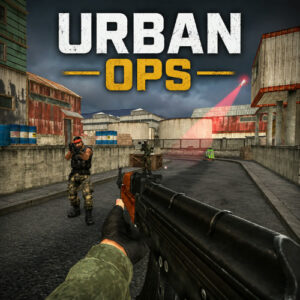 Urban Ops
 Hexbound
 Kirka.io
 Overtide.io
 Destroy House
 Frontline Commando Shooting: Gun Games
 Hazmob FPS
 KS Z
KS Z
 Fragen
 Blocky Guns
 Redcoats.io
 Rivals FPS: Online Shooter
 Obby Invasion at the Digital Circus. Shooter!
 Poxel.io
 Dead Strike
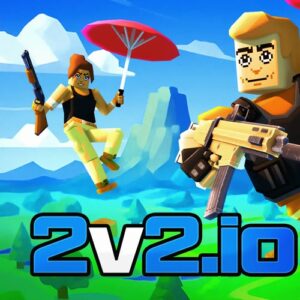 2v2.io
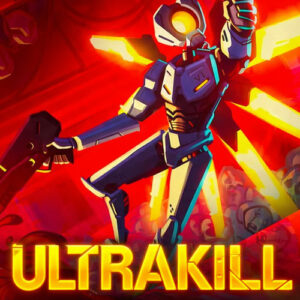 Ultrakill
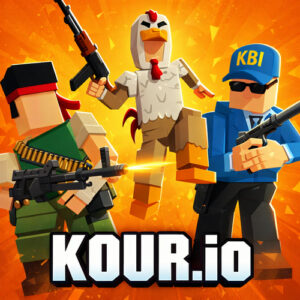 Kour.io
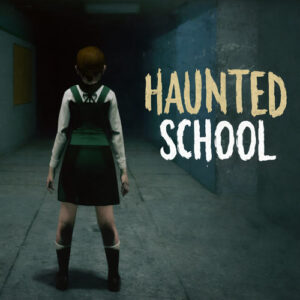 Haunted School
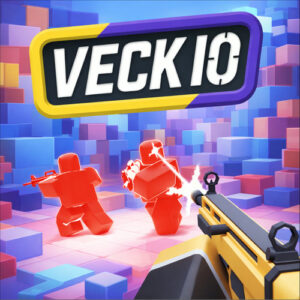 Veck.io
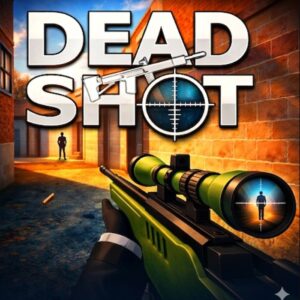 Deadshot Io
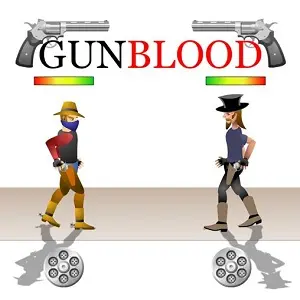 Gunblood
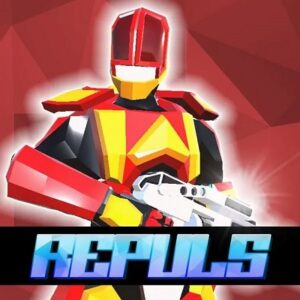 Repuls.io
 Rush Team
 Time Shooter 3: Swat
 Craftnite.io
 Bank Robbery
 Doom 3
 Time Shooter 3
 Time Shooter
 Granny 2
 Funny Shooter
 Crazy Shooters 2
 Murderer
 Pixel Wars of Hero
 Good Guys vs Bad Boys
 Sudden Attack
 Pixel Warfare
 ShooterZ
 Toon Off
 WorldZ
 Crazy Pixel Apocalypse 3
 Slendrina Must Die: The House
 CS Portable
 Voxiom.io
 Krunker Io
 Pixel Gun Apocalypse 2
 Paintball Wars
 Zombie Hunters
 Modern Blocky Paint