 Five Nights at




Night Watches, Locked Rooms, and Relentless Pressure
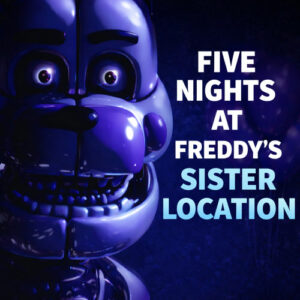
The Five Nights tag gathers a very specific kind of horror design: survival inside a confined space while threats advance on a strict clock. In Five Nights at Freddy’s, FNAF 2, FNAF 3, and FNAF 4, the core tension comes from limited visibility and limited action. The player is rarely roaming freely. Instead, the challenge is to monitor systems, react to signals, and survive until morning. That structure also carries into Five Nights at Freddy’s Sister Location, which adds more scripted movement and task-based moments without abandoning the constant feeling of danger.
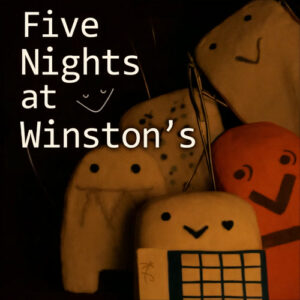
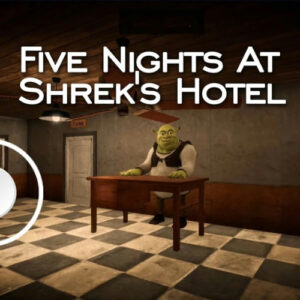
What defines this tag is not just horror, but surveillance under strain. The games ask players to divide attention between cameras, doors, vents, audio cues, and timing windows. The result is a style built on anticipation as much as reaction. Even the joke and parody entries, such as Five Nights at Trump’s, Five Nights at Winston’s, Five Nights at Diddy’s, Five Nights at Epstein’s, and Five Nights At Shrek’s Hotel, lean on the same familiar setup: a vulnerable night shift, an unstable environment, and enemies that become more threatening the longer the player hesitates.
Camera Checks, Audio Cues, and the Art of Not Looking Away
Across the tag, observation is a mechanical skill. The player is rewarded for reading tiny changes in movement, sound, and position. FNAF and FNAF 2 make this especially clear through camera management, where every check consumes attention that could be used elsewhere. In FNAF 3, the focus shifts toward a different kind of monitoring, with one main threat and a heavier dependence on sound and maintenance-like response. FNAF 4 turns the formula inward, using close-range listening and quick checks to keep threats from reaching the player’s immediate space.
This is one reason the tag remains distinct from broader horror collections. The fear is tied to routine. A successful run depends on repeating a sequence of checks often enough to stay informed, but not so often that the player wastes time or misses a developing threat. That balance gives these games their identity: attention is both the main weapon and the main weakness.
When the Rules Change Between Games
The tag is not a single formula copied endlessly. The differences between FNAF, FNAF 2, FNAF 3, FNAF 4, and Sister Location show how the series keeps the same basic pressure while changing the player’s job. The original game is about preserving control from a central position. FNAF 2 increases the pace and the number of threats to watch. FNAF 3 narrows the encounter into a more focused struggle. FNAF 4 strips away the camera-heavy structure and makes sound and timing feel more personal. Sister Location pushes toward varied set pieces and task completion.
That variety matters because it keeps the tag from becoming a simple imitation template. Players who enjoy these games are often responding to the way each entry shifts the same survival grammar into a new form. The discomfort comes from familiarity, but the appeal comes from learning how each title modifies the rules.
Parody Entries Still Depend on the Same Tension
The spoof-style games in the tag are not just throwaway references. Five Nights at Trump’s, Five Nights at Winston’s, Five Nights at Diddy’s, Five Nights at Epstein’s, and Five Nights At Shrek’s Hotel rely on the audience already understanding the structure that the original series made popular. Their humor works because they borrow the recognizable setup of night shifts, hostile presences, and escalating tension. Even when the tone changes, the player still expects the same basic loop of watching, waiting, and reacting.
That shared structure explains why the tag can support both serious horror and parody. The format is compact, easy to recognize, and flexible enough to be remixed with new characters or absurd premises. The name alone signals the pacing: short sessions, repeated nights, and a steady rise in pressure.
Who This Tag Attracts
Five Nights games tend to draw players who like learning patterns under stress. Some are interested in memory and timing, especially in entries like FNAF 2 and FNAF 4, where mistakes are punished quickly. Others prefer the methodical side of the experience, using cameras and audio cues to keep control in FNAF or FNAF 3. The structure also appeals to players who enjoy replaying short sessions and improving through repetition rather than through long exploration.
- Pattern readers focus on movement and timing windows.
- Resource managers respond to limited actions, power, or attention.
- Horror fans enjoy the build-up created by silence and uncertainty.
- Series followers are drawn to how each entry changes the formula.
- Curious players often try the parody titles after learning the original format.
Short Sessions, Long Memory
One reason the Five Nights tag stays recognizable is that the games are built around compact play sessions with sharp consequences. A single mistake can undo several minutes of careful monitoring, which makes every decision feel heavier than it would in a more open-ended horror game. That intensity is present whether the setting is the original pizzeria, the more mechanical spaces of FNAF 3, or the altered layouts of Sister Location.
The tag also benefits from how clearly it teaches its own language. New players can grasp the basics quickly, but mastery comes from learning when to check, when to wait, and when to trust a cue. That simple loop supports a wide range of entries, from the mainline games to the parody titles, while keeping the same core tension intact.