Escape Games Turn Pressure Into Problem Solving
The Escape tag gathers games built around getting out of a confined space, surviving a threat, or finding a way through a locked sequence of obstacles. That basic idea appears in very different forms across the list: Escaping the Prison uses a comedic, choice-driven setup, while Granny 2 and Krampus lean into stealth and danger. The White Room, 100 Doors, and Chat Noir focus more on logic, route planning, and spatial reasoning. The common thread is not just reaching an exit, but doing it under constraints that force the player to read the environment carefully.
That mix makes the tag appealing to players who enjoy short bursts of discovery as much as those who want sustained tension. Some escape games are built around puzzle chains, others around movement and evasion, and a few combine both. Among Us introduces social uncertainty rather than a literal locked-room puzzle, yet it still fits the broader escape theme because survival depends on reading risk and moving wisely through a hostile setting. Across the tag, the player is usually trapped, watched, blocked, or rushed.
Locked Rooms, Hidden Routes, and Environmental Clues
A large part of the tag is grounded in classic room-escape design. The White Room and 100 Doors both lean on observation, item use, and sequence solving, while Riddle School 3, Riddle School 4, and Riddle School 5 turn escape into a chain of school-based puzzles and comic escalation. Charger Escape and Stickman Escape School use similar logic: progress comes from noticing what the scene allows, what it hides, and what must be combined or triggered in the right order.
These games reward careful scanning rather than speed. A door, switch, note, or object placement can matter more than reflexes. Even when the presentation is simple, the challenge comes from understanding how one room connects to the next. That makes the tag especially strong for players who enjoy decoding systems instead of reacting to them.
Escape Under Pursuit
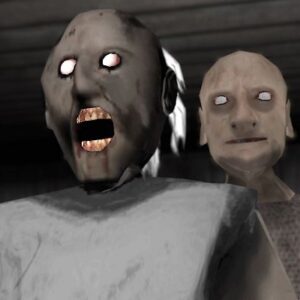
Other games in the collection shift the emphasis from solving to surviving. Granny 2, Keep Out, Jeff the Killer, and Krampus all build tension through pursuit, sound, and limited safe space. The player is not just looking for the right object or code; the player is trying to stay alive long enough to act. In that structure, escape becomes a moving target.
Scary Teacher 3D sits in an interesting middle ground. It uses stealth and prank-like objectives rather than pure horror, but it still depends on entering dangerous spaces, completing tasks quietly, and getting away before detection. Escape or Die 2 and Flood Runner make the urgency even clearer by turning escape into a direct survival challenge, where the environment itself is closing in. These games tend to create a different kind of pressure than puzzle rooms: mistakes are immediate, and hesitation is costly.
Choice, Failure, and the Comedy of Bad Outcomes
Some escape games in the tag are built around experimentation and unexpected results. Escaping the Prison is a clear example, using branching choices and comic failure states to make every attempt feel like a test of judgment. Rather than treating failure as a dead end, it turns failure into part of the entertainment. That same playful unpredictability runs through parts of the Riddle School series, where escape often depends on trying unusual actions and learning how the game interprets them.
This style gives the tag a lighter edge than horror-focused escape games. The tension comes from not knowing which choice will work, but the tone often stays funny or absurd. For players, that means escape can be as much about discovering the designer’s logic as about surviving danger.
Movement Becomes Part of the Puzzle
Not every escape game is stationary. Robot Unicorn Attack and Flood Runner use relentless forward motion, turning escape into a timing challenge where the environment dictates the pace. In these games, the player is not searching for an exit room by room; the act of escaping is embodied in constant movement, jumps, and avoidance. The screen scrolls, hazards arrive quickly, and the player’s decisions are measured in split seconds.
That movement-heavy approach overlaps with the survival titles in spirit. Whether the threat is water, pursuit, or collapsing space, the design asks players to think in motion. It broadens the tag beyond traditional point-and-click escape puzzles and gives it a faster, more reflexive branch.
What This Tag Rewards
The Escape tag favors players who enjoy reading situations quickly and adapting to changing conditions. Some games ask for logic and memory, as in The Classroom 2, Chat Noir, or 100 Doors. Others rely on stealth and awareness, as in Granny 2 or Keep Out. A few, including Among Us and Scary Teacher 3D, make escape feel social or tactical rather than purely mechanical. Across the whole set, the defining skill is knowing when to explore, when to move, and when to pull back.
That variety is what keeps the tag broad without feeling scattered. The same escape premise can support comedy, horror, puzzle solving, and survival, and these games show how flexible that structure can be when the player’s main goal is simply to get out before the situation gets worse.
 Robber Run
 Arrow Puzzle
 Skate Hooligans
 Granny Original
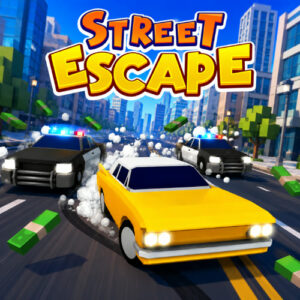 Street Escape
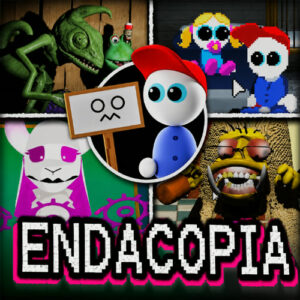 Endacopia
 Car Loop
 Steal An Egg
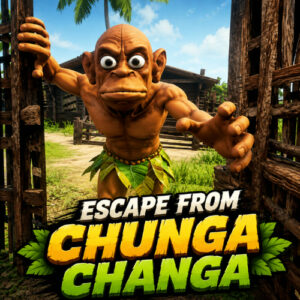 Escape from Chunga Changa
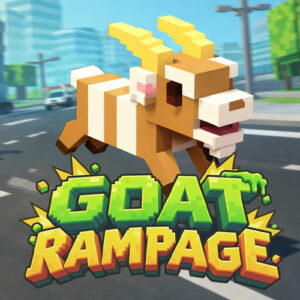 Goat Rampage
 Horror Nun 2
 Stealth Master
 SpeedEscape.io
 Meccha Chameleon
 Prison Escape 2
 +1 Speed Keyboard Escape
 Backrooms: Escape Together
 Pato Vs Cops
 Arrow Escape: Puzzle
 Escape Road 3
 Red Face Horror
 Break a Lucky Block!
 Poppy Playtime
 Escape Animals
 Be a Lucky Block
 Zombies and Luig
 EscapeWaves.io
 EscapeLava.io
 Baldi’s Basics
 Escape Tsunami Brainrots Online
 Survive Lava for Brainrots!
 Ice Baby Quest 2
 Backrooms
 Dig out of Prison
 Escape School Duel
 SchoolBoy Runaway
 Little Nightmares
 Granny Horror
 Escape Road City 2
 Escape Road City
 Escape Road 2
 Escape Road
 Horror Nun
 Riddle School 2
 Stickman Escape School
 Scary Teacher 3D
 The White Room
 Chat Noir
 Granny 2
 Among Us