Building as a Test of Planning, Timing, and Control
The Building tag brings together games that treat construction as more than decoration. In SimCity, Elvenar, and The Final Earth, building is tied to long-term development, layout efficiency, and the pressure of making systems work together. In World Craft, Block World, and Minecraft.io, construction is more immediate and hands-on, with players shaping spaces directly rather than managing abstract city layers. Even games that look very different at first glance, such as Construct a Bridge, Marble Run, and Grow Tower, still center on the same core idea: design something that holds up under stress.
That variety is what defines the tag. Some games reward careful planning before a single piece is placed. Others turn building into fast adaptation, where structure and movement must be adjusted on the fly. A few focus on survival, resource collection, or conflict, which means the act of building becomes part of a larger struggle rather than the whole point. The result is a tag with a wide range of play styles, but a shared emphasis on construction as a skill.
Layout Games Where Every Piece Has a Job
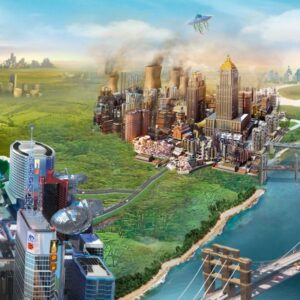
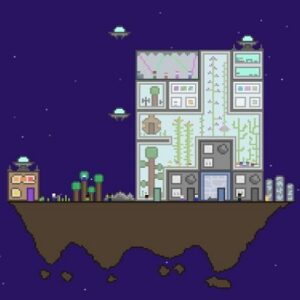
Several titles in the tag are built around efficiency and spacing. SimCity and The Final Earth depend on organized development, where roads, services, and expansion have to fit together cleanly. Elvenar uses a similar logic, asking players to grow a settlement while keeping production and placement in balance. In Mr. Mine, the layout challenge shifts underground, but the same principle applies: progress depends on unlocking the right path and organizing advancement step by step.
What connects these games is the sense that building is inseparable from planning. A structure is not just placed for appearance; it changes how the entire system works. That makes the tag appealing to players who like adjusting priorities, solving space problems, and making incremental improvements that pay off later.
Construction Under Physical Pressure
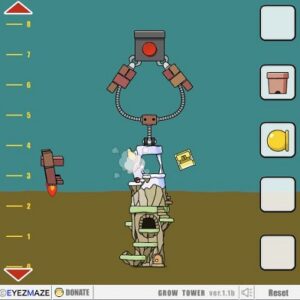
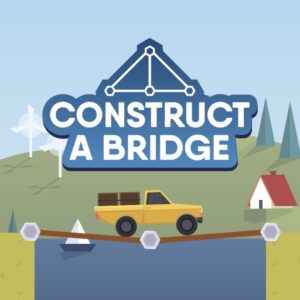
Some games in the tag focus on whether a creation can actually function. Construct a Bridge turns construction into a structural puzzle, where balance and support matter more than size. Marble Run and Marble Race push a similar idea into motion-based design, since ramps, turns, and drops have to guide objects successfully from start to finish. Grow Tower also fits here, because vertical building is only useful if each new layer contributes to stability and progression.
These games reward experimentation, but they also expose mistakes quickly. A weak connection, a poor angle, or a badly placed segment can collapse the whole plan. That makes them appealing to players who enjoy seeing cause and effect immediately, especially when the building itself is part puzzle, part engineering challenge.
Creative Building With Survival and Resource Management
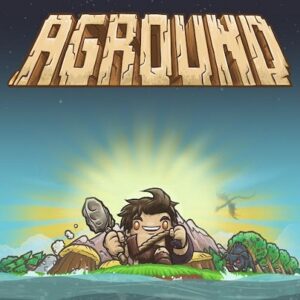
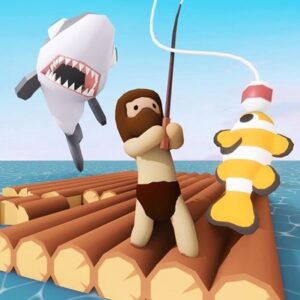
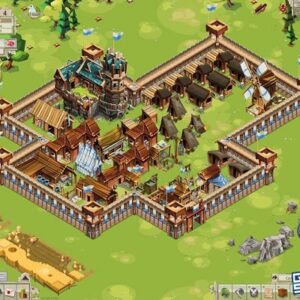
Aground, Raft Life, and Goodgame Empire show how the Building tag often overlaps with survival and expansion systems. Aground blends crafting, exploration, and base growth, so building becomes a way to turn raw materials into progress. Raft Life uses a floating setting where expansion has to feel practical, because space and resources are limited. Goodgame Empire takes a more strategic route, where construction supports defense, advancement, and military preparation.
In these games, building is rarely isolated. It is tied to gathering, upgrading, and defending what has already been made. That creates a different pace from pure sandbox construction. Instead of treating a build as a final product, the games keep pushing players to improve, extend, and adapt their base or settlement as conditions change.
Block Worlds and Open Construction
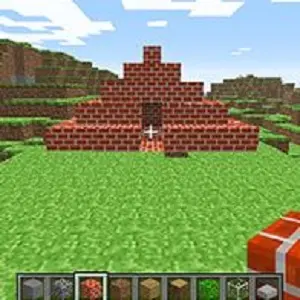
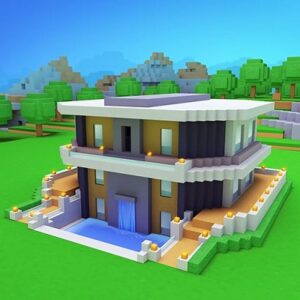
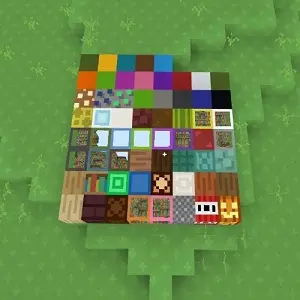
World Craft, Block World, and Minecraft.io represent the more open-ended side of the tag. Their building systems are less about fixed objectives and more about giving players tools to create, shape, and experiment. The appeal comes from freedom: walls, platforms, and terrain all become materials for making a personal space or a larger structure. Bloxdhop Io adds movement-focused play to that environment, showing how building spaces can also affect traversal and platforming.
These titles attract players who want direct control over the environment. The games are not only about placing blocks, but about testing how a world can be altered through design. That opens the door to both practical construction and playful experimentation, which is a major reason block-based building remains such a strong part of this tag.
When Building Becomes Competition
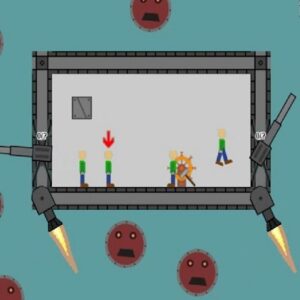
Not every construction game is peaceful. Stick War, Buildnow Gg, and Drednot.io show the competitive side of the tag, where building supports combat, pressure, or tactical advantage. In Stick War, structures and unit production feed into battlefield control. Buildnow Gg mixes building with fast combat movement, so players must construct while staying aware of threats and positioning. Drednot.io pushes the idea further by linking ship construction to multiplayer conflict, where design choices affect mobility and durability.
In these games, a good build is not just efficient; it is useful under fire. That changes the mindset completely. Placement becomes tactical, defensive options matter, and a poorly designed structure can cost momentum quickly. For players who like construction with direct opposition, this part of the tag offers constant pressure.
Building as Movement, Not Just Placement
Some of the tag’s most distinctive games use building to change how movement works. Dark Orbit and Bloxdhop Io bring spatial awareness into the foreground, while Marble Run and Construct a Bridge ask players to think about flow as much as structure. Even Babel Tower turns vertical growth into a kind of motion puzzle, since each layer changes the scale and rhythm of progress.
This is where the Building tag starts to overlap with action and physics. Construction is no longer a static act. It shapes routes, momentum, access, and the way a stage or system behaves once it is active. That gives the tag a broader appeal than simple base management, because players are not only making things—they are deciding how those things will function in motion.
 1v1.Lol
 My Waterpark
 Waterpark Simulator
 Mine – Online
 Tower Rise
 FallZone.io
 2v2.io
 99 Nights in the Forest
 FrontWars.io
 JustBuild.LOL
 Dark Orbit
 Grow Tower
 Minecraft Classic
 Aground
 SimCity
 Elvenar
 World Craft
 Raft Life
 Babel Tower
 Construct a Bridge
 Goodgame Empire
 Drednot.io
 Mr. Mine
 The Final Earth
 Marble Run
 Block World
 Minecraft.io
 Marble Race
 Stick War
 Buildnow Gg
 Bloxdhop Io
 Cursed Treasure 2
 Forge Of Empires
 Grow Cube
 Mine Blocks
 Build Royale