Smarty Bubbles



Bubble Shooter Games Turn Aim and Timing Into the Main Skill
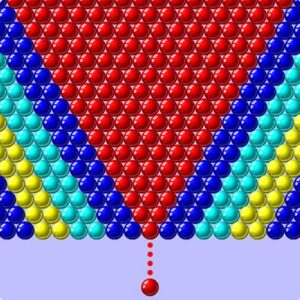
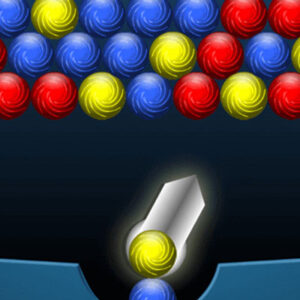
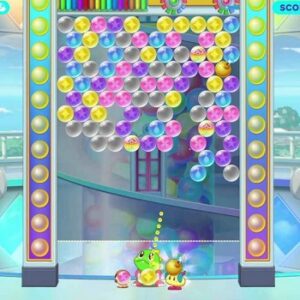
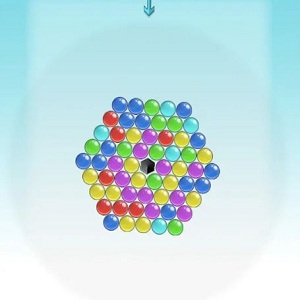
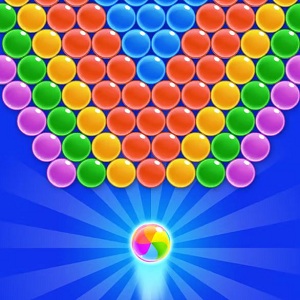
Bubble Shooter games are built around a simple-looking interaction that becomes more demanding the longer a session lasts: fire a bubble, judge the angle, and decide whether the shot should clear space now or set up a larger chain later. That basic loop appears in different forms across Smarty Bubbles 2, Bubble Shooter 3, Puzzle Bobble, and Bubble Shooter, but the appeal is not just matching colors. The real challenge comes from reading the field, choosing targets with limited space, and avoiding mistakes that can close off the board.
Across the tag, the best runs depend on pattern recognition and restraint. A shot that looks safe can leave awkward gaps, while a slightly harder angle may open several matches at once. That tension between immediate cleanup and long-term setup gives the genre its structure. Even games that branch away from the classic formula, such as Bubble Spinner and Bubble Trouble, still lean on the same core habit: control the shot carefully and stay aware of how the layout changes after every move.
Board Control Is More Important Than Clearing One Bubble at a Time
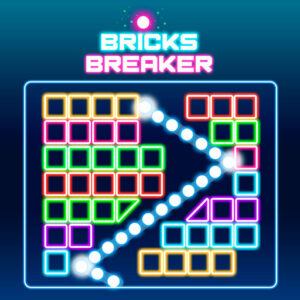
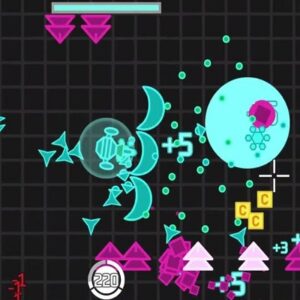
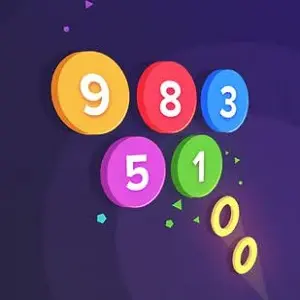
What separates these games from simple matching puzzles is the way they treat the board as a pressure system. In Bricks Breaker and 99 Balls, the player is not merely removing objects; they are trying to keep the play area from filling with hazards or becoming impossible to manage. Bubble Tanks 2 pushes that feeling in a more combat-focused direction, where movement and shooting are tied to surviving pressure while shaping the arena.
This is why small decisions matter so much. One missed connection can leave a stubborn cluster in place, and that cluster often determines the next few turns. The genre rewards players who can think two or three shots ahead, especially when the firing lane is narrow or the target group is protected by layers of other bubbles. Games like Shape Shooter and Bubble Shooter 3 make that spatial planning especially clear because the player is constantly balancing accuracy with efficient board clearing.
Color Matching, Shape Matching, and the Push for Variety
The tag is not limited to one visual language. Classic entries such as Puzzle Bobble and Smarty Bubbles 2 rely on familiar color-matching rules, but other games introduce different target structures to keep the same logic from feeling repetitive. Chuzzle uses a more character-driven presentation, while Shape Shooter suggests a move toward geometric targeting rather than straightforward bubble clusters. The result is a family of games that share the same decision-making framework while changing what the player is looking at.
That variety matters because it alters how information is processed. Color-based layouts encourage fast scanning for clusters and chain opportunities, while shape-based or object-based variations shift attention toward pattern recognition and arrangement. The challenge remains comparable, but the way the player reads the board changes enough to give each game a distinct rhythm.
Physics, Angles, and Ricochet Play Keep the Genre Flexible
Several games in the tag lean on bounce mechanics to extend the skill ceiling. Bubble Trouble and Bubble Spinner both make movement paths part of the puzzle, whether the shot ricochets around obstacles or the board itself changes position after a hit. 99 Balls and Bricks Breaker also use trajectory control as a central tool, turning each shot into a calculation rather than a reflex test.
That emphasis on physics creates a different kind of satisfaction from static matching. Instead of simply identifying a cluster, the player has to imagine how the projectile will behave after contact. Walls, narrow spaces, and rotating formations all create opportunities for clever angles. In practice, these games reward patience and a willingness to test unusual routes when the direct shot is not the strongest one.
Risk Management Shapes the Pace of Every Round
Bubble Shooter games often look calm at the start, then gradually turn into exercises in controlled recovery. A board that seems manageable can become dangerous after just a few bad placements, which is why the genre naturally creates a rhythm of short-term rescue and long-term planning. Om Nom Bubbles and Bubble Shooter 3 lean into this pacing by making each move affect the next cluster of options, while Bubble Tanks 2 adds combat pressure that can force hurried decisions.
This risk structure explains why the tag attracts both casual and more methodical players. Some come for the fast feedback of matching colors and watching chains fall away. Others stay for the discipline required to preserve useful angles, avoid blocking critical lanes, and recover from awkward board states. Even in the most accessible entries, success depends on knowing when to take a safe clear and when to aim for a larger payoff later.
From Relaxed Puzzling to Survival Pressure
The collection spans a wider range than the bubble-shooter label might suggest. Smarty Bubbles 2 and Puzzle Bobble represent the classic, readable form of the genre, where the central pleasure comes from clean matching and efficient shot placement. Bubble Trouble, Bricks Breaker, and Bubble Tanks 2 add more urgency by introducing survival pressure, action timing, or a denser hazard field. That spread gives the tag room to serve different play styles without losing its identity.
Even within the same general rule set, the games separate by tempo. Some are built around careful, almost puzzle-like thought, while others demand quicker corrections and steadier execution. Bubble Shooter and Bubble Shooter 3 sit close to the classic center of the tag, while 99 Balls and Shape Shooter lean into more specific mechanical twists. The common thread is still the same: clear space, manage risk, and keep the board from closing in.