How Battle Royale Games Turn Survival Into a Constant Contest
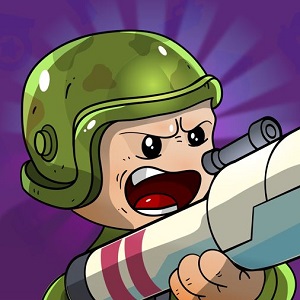
Battle royale browser games tend to share a simple pressure loop: stay alive, stay moving, and make better decisions than the players around you. In ZombsRoyale.io, Mini Royale, and Build Royale, the familiar shrinking-play-area structure pushes every match toward tighter confrontations, but the appeal is not only in last-player-standing tension. These games also mix in scavenging, quick combat reads, and enough improvisation that a round can swing from calm looting to a desperate close-quarters scramble in seconds.
That same structure appears in different forms across the tag. Some games lean toward fast elimination and direct fighting, while others add movement tricks, sandbox-style building, or unusual physics. The result is a category where the core objective never changes much, but the route to survival does. Players are constantly weighing whether to fight, flee, fortify, or simply wait for another opportunity.
Gunplay, Building, and the Art of Making Space
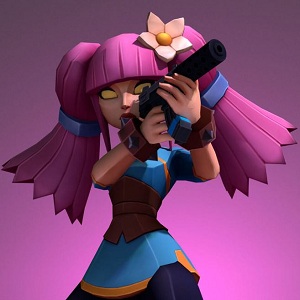
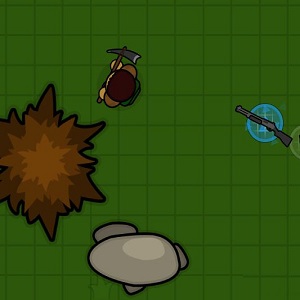
1v1.Lol, Build Royale, and Venge.io show how battle royale design often becomes a test of spatial control. Instead of only aiming well, players need to shape the battlefield: placing structures, claiming sightlines, and denying an opponent easy access. In these games, defense is rarely passive. A wall or ramp is usually a way to buy a better angle, reset a fight, or force the enemy into a mistake.
Airport Clash 3D sits closer to straightforward combat, but it still reflects the same idea that position matters as much as raw accuracy. The best players are not only reacting faster; they are learning when to commit, when to rotate, and how to make a small advantage last long enough to matter.
When Battle Royale Gets Weird
Not every game in the tag treats survival as a military-style shootout. Fall Beans, Lolbeans Io, and Nugget Royale replace tactical gunfights with obstacle-course chaos, turning the battle royale format into a race through hazards, momentum traps, and elimination rounds. The tension is still there, but it comes from balance, timing, and recovery rather than weapon choice.
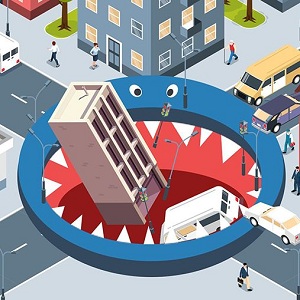
Hole.io pushes that idea even further by replacing combat with consumption. Growth becomes the main threat and reward at once: the larger you get, the more of the map you can swallow, but you also become easier to track and harder to protect. Happy Snakes and Agma.io follow a similar logic, where progression is visible on the field and every decision is tied to size, risk, and the possibility of losing ground quickly.
Comparison: Movement Skill Versus Strategic Growth
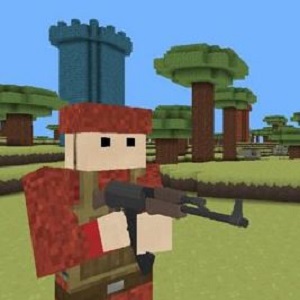
A useful contrast inside the tag is between games that reward mechanical movement and games that reward accumulation. GoBattle.io, TheLast.io, and Voxiom.io ask players to handle positioning and combat pressure in real time, often with quick engagements and little margin for hesitation. These games favor sharp reactions and an instinct for safe routes through contested space.
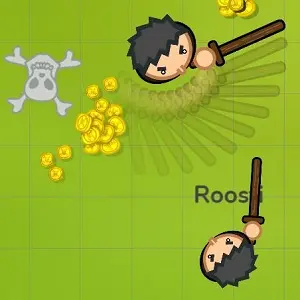
By contrast, Agma.io, Happy Snakes, and Yohoho Io make long-term growth the center of play. Instead of a single firefight deciding everything, the match becomes a study in expansion, restraint, and opportunistic attacks. Losing can still happen fast, but the path to success is built on gradual advantage rather than moment-to-moment dueling.
Collection, Loadouts, and the Push Toward Mastery
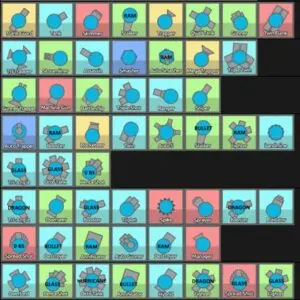
Several of these games create improvement through repetition and familiarity rather than permanent character progression. ZombsRoyale.io and Mini Royale teach players to recognize item value, learn map flow, and survive the early scramble more efficiently. Diep.io and Modd.io add another layer, where players may grow stronger through build choices, upgrades, or system knowledge, making each run feel like an experiment in optimization.
This is where battle royale games often become sticky for dedicated players. The genre rewards route memorization, timing discipline, and the ability to read other people’s habits. Even the lighter or more chaotic entries still invite mastery because the same mistakes repeat: overextending, chasing too early, or failing to anticipate a third-party attack.
Why Browser Battle Royale Keeps Branching Out
The tag survives because it can absorb many different fantasies without losing its central tension. Yohoho Io uses pirate flavor, Voxiom.io leans into blocky terrain, Mini Royale presents compact firefights, and Fall Beans transforms competition into slapstick survival. 1v1.Lol and Build Royale make the genre more tactical, while Hole.io and Agma.io strip it down to growth and territory control. Diep.io and TheLast.io sit somewhere in between, balancing simple controls with enough pressure to keep each encounter uncertain.
That variety matters because battle royale is less a single rule set than a format for conflict. Some players want direct combat, some want creative movement, and others want the quieter satisfaction of outlasting a whole lobby through smart positioning and resource use. The tag keeps all of those motives in play at once.
 1v1.Lol
 Blobade
 Arrow Arena
 Rooster Road
 Sausage Battle
 FallZone.io
 Hole Arena
 Rivals FPS: Online Shooter
 Brawl Stars
 2v2.io
 Squid Game
 JustBuild.LOL
 Airport Clash 3D
 TheLast.io
 Fortnite
 Fall Beans
 Modd.io
 Voxiom.io
 Nugget Royale
 GoBattle.io
 Mini Royale
 Yohoho Io
 Happy Snakes
 Diep.io
 Lolbeans Io
 Venge.io
 ZombsRoyale.io
 Agma.io
 Hole.io
 Build Royale