Zombie Games Built Around Pressure, Not Just Horror
The zombie tag covers a wide spread of browser games, but the shared idea is usually pressure: enemies that keep coming, spaces that become unsafe quickly, and decisions that matter more once the screen fills up. In Left 4 Dead, Zombie Attack, and Horde Killer: You vs 100, the appeal comes from holding a line against numbers that do not stop. Zombie Hunters, WorldZ, and Zombie Craft lean more toward scavenging, movement, and staying alive in changing spaces. Even games that are not pure survival, such as Raze 3, Rage 3, and Sudden Attack, show how zombie themes often blend with shooter structure rather than standing alone as horror.
This tag also includes games that use zombies as a backdrop for speed, construction, or vehicle combat. Zombie Derby turns undead crowds into obstacles for a heavy, momentum-based run, while Paper Minecraft and Modd.io show how sandbox and multiplayer systems can absorb zombie threats into larger play styles. That variety is what makes the tag broad: some games ask for aim and reflexes, others for route planning, and others for survival under constant pressure.
Holding Ground Against Endless Waves
Wave defense is one of the clearest patterns in zombie games. Zombie Attack, Horde Killer: You vs 100, and Zombie Hunters all center on managing large groups rather than eliminating a single powerful enemy. The player’s role is often less about perfect accuracy than about controlling distance, timing reloads, and choosing where to stand when the undead start surrounding a position.
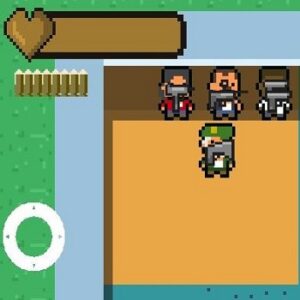
That structure creates a different kind of tension from story-driven horror. The challenge is visible and measurable: survive longer, clear more enemies, or keep an area from collapsing. Left 4 Dead fits this pattern too, even though its pacing is faster and more coordinated. It is about movement through danger, but it still depends on the same principle seen in Zombie Attack and Horde Killer: the screen can turn into a numbers problem very quickly.
Survival Systems Make Zombies Feel Wider Than Combat
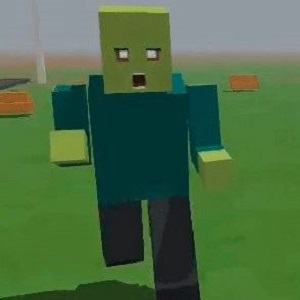
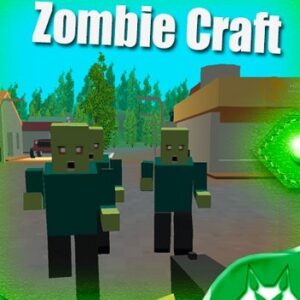
Some entries in the tag treat zombies as part of a larger survival loop instead of the only focus. WorldZ, Zombie Craft, and Paper Minecraft suggest a sandbox mindset where gathering, building, and adapting matter as much as fighting. The undead become a persistent environmental threat, forcing players to think about shelter, supplies, and travel routes.
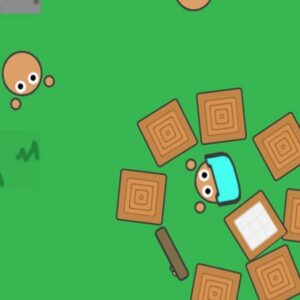
That approach changes the pacing. Rather than constant shooting, there is often a rhythm of preparation followed by exposure. Modd.io pushes this further by tying zombie encounters to multiplayer-created systems, where the rules and goals can shift from match to match. In these games, zombies are not only enemies; they are also a way to test whether players can use a larger toolkit efficiently.
Shooter Design Gives the Tag Its Fastest Entries
Several zombie games in the list are built on straightforward shooter foundations. Raze 3, Rage 3, Pixel Gun Apocalypse 2, Mini Royale, and Paintball Wars show that zombie content often sits beside competitive gunplay rather than replacing it. In this group, the undead theme may appear alongside arena combat, progression, or multiplayer firefights, but the core skill remains the same: aim quickly, move cleanly, and react before enemies close the gap.
Stickman Epic also fits this tendency, using simple visual style to keep the focus on action timing. Compared with the heavier survival titles, these games are more immediate and more readable. They reward players who want short rounds, fast restarts, and direct combat flow instead of long preparation. The zombie tag works well here because it gives familiar shooting mechanics a clear target pressure without slowing them down.
Movement Changes Everything When the Undead Close In
Not every zombie game is about standing your ground. Zombie Derby is built around momentum, where the vehicle becomes the main defense and the environment becomes a hazard to manage. The same idea appears in different form in faster action games such as Slenderman and parts of Granny 3 and Granny 2, where escape routes, line of sight, and quick movement often matter more than direct confrontation.
This emphasis on movement creates a distinct kind of skill check. Players must read space, keep speed under control, and avoid getting boxed in. In zombie games, that often matters more than raw damage output. A strong weapon is useful, but without room to maneuver it becomes far less reliable. That is one reason the tag supports both action fans and survival-focused players: the same enemy type can test either reflexes or route planning.
Multiplayer Turns Zombie Play Into Shared Risk
Sudden Attack, Mini Royale, Paintball Wars, and Modd.io show how zombie themes can sit inside competitive or social play. In multiplayer settings, the undead are often only one layer of the challenge. Other players create uncertainty, force faster decisions, and make positioning more important. A zombie threat can amplify that pressure by narrowing safe spaces and punishing hesitation.
That combination helps explain why the tag stays varied. Some players want cooperative survival like Left 4 Dead; others want quick-fire combat with a zombie layer added on top. The shared pattern is escalation. Whether the match is cooperative, competitive, or user-generated, zombies usually exist to make ordinary actions harder to maintain for long.
Horror Elements Still Shape the Tone
Even in action-heavy entries, the zombie tag keeps close ties to horror framing. Granny 2, Granny 3, and Slenderman lean more heavily into pursuit, stealth, and vulnerability than into combat mastery. They show another side of the tag, where the stress comes from being hunted rather than from clearing rooms.
That contrast matters because it broadens what zombie games can be. In one group, the player is a survivor with weapons and resources. In another, the player is cornered, hiding, listening, and making careful moves through hostile space. The tag therefore includes both power fantasy and fragility, often within the same overall mood of being pursued by something relentless.
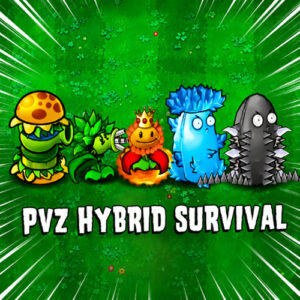 Plants vs Zombies Hybrids
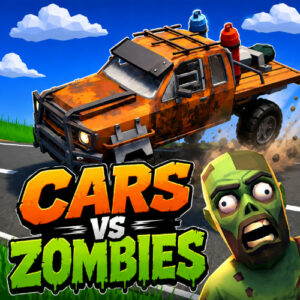 Cars vs Zombies
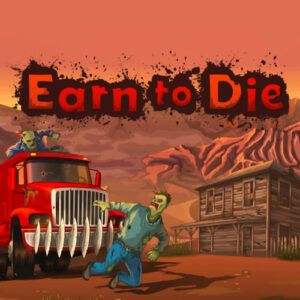 Earn to Die
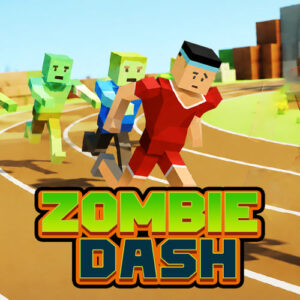 Zombie Dash
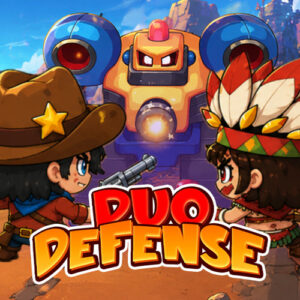 Duo Defense
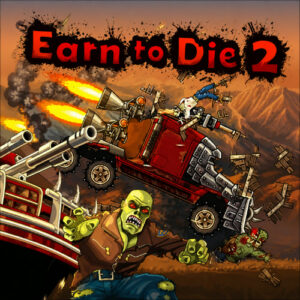 Earn to Die 2
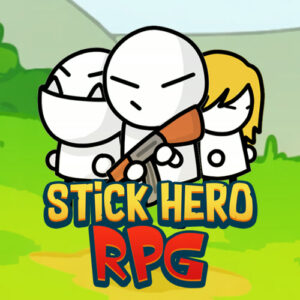 Stick Hero RPG
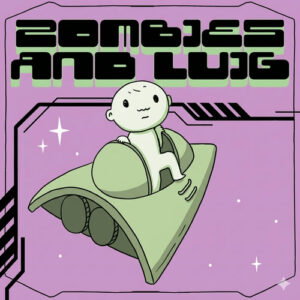 Zombies and Luig
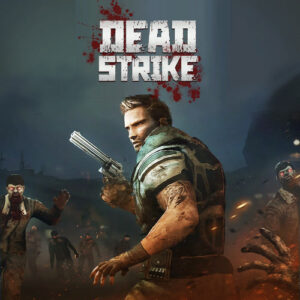 Dead Strike
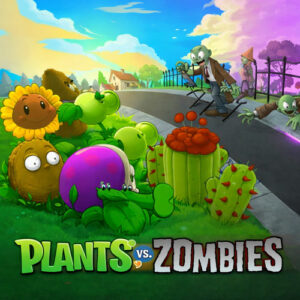 Plants Vs Zombies
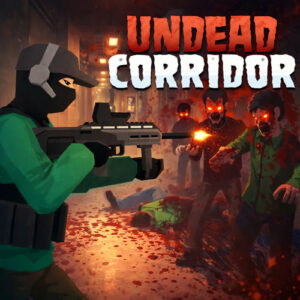 Undead Corridor
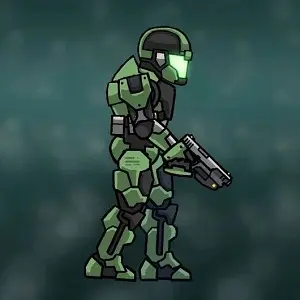 Raze 3
 Stickman Epic
 Zombie Attack
 Granny 3
 Doom 3
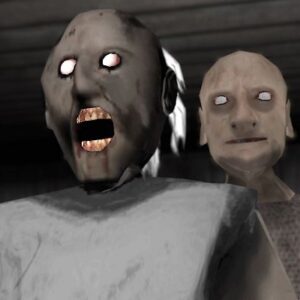 Granny 2
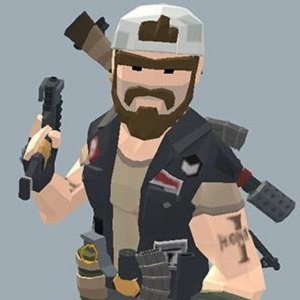 Horde Killer: You vs 100
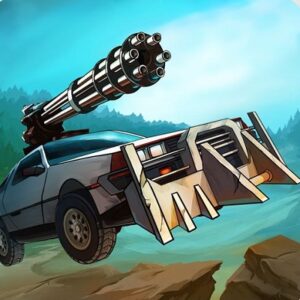 Zombie Derby
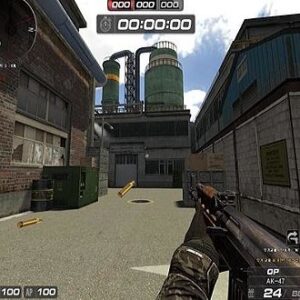 Sudden Attack
 WorldZ
 Modd.io
 Zombie Craft
 Left 4 Dead
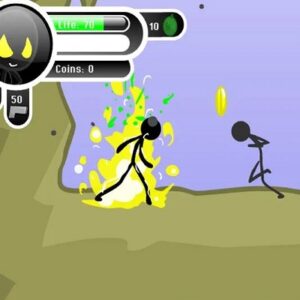 Rage 3
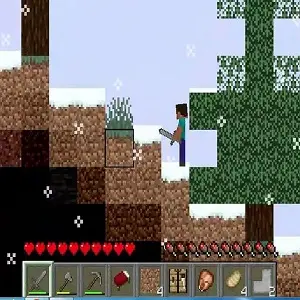 Paper Minecraft
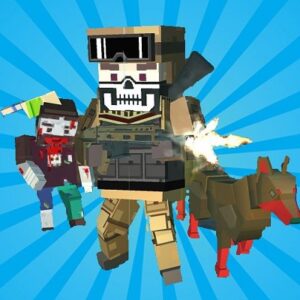 Pixel Gun Apocalypse 2
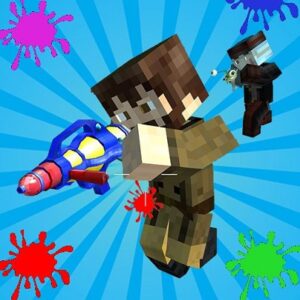 Paintball Wars
 Zombie Hunters
 Mini Royale
 Slenderman
 The Last Stand
 ZombsRoyale.io
 Return Man 2 Zombies
 The Last Stand 2
 Advanced Pixel Apocalypse 3
 Braains.io
 Dead Zed
 Zombocalypse