 Wordle






Wordle Variants Turn Guessing Into a System of Clues
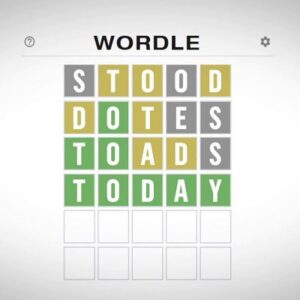
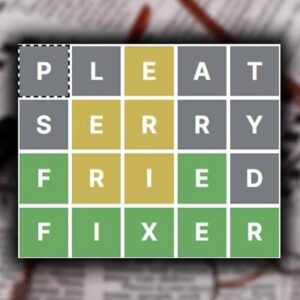
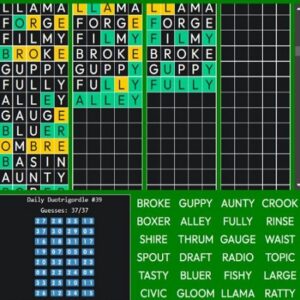
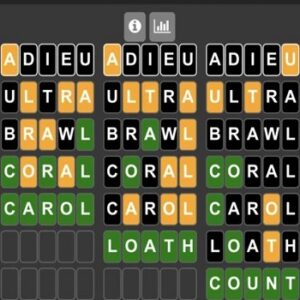
The Wordle tag brings together games that start with a simple act of guessing and then complicate it in very different ways. Wordle Online keeps the familiar letter-based structure intact, while titles like Squareword, Crosswordle, and Tridle stretch that idea into new layouts and multiple interlocking boards. The appeal comes from deduction more than speed: every attempt is both a guess and a source of information, and the best runs depend on reading patterns carefully rather than forcing answers early.
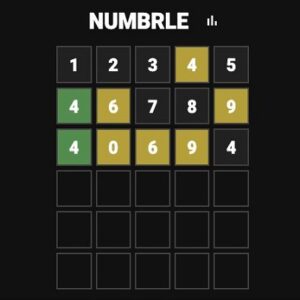
That shared structure makes the tag useful for players who enjoy compact logic challenges. Some games remain close to the original format, while others change the target from a word to a country, a number, a flag, or even a piece of pop culture. Numberle shifts the puzzle toward arithmetic, Flaggle asks for visual and geographic recognition, and Guess the Country changes the object of deduction entirely. The core loop stays recognizable, but the knowledge being tested changes from vocabulary to trivia, symbols, and associative memory.
Letter Logic, but with Different Rules
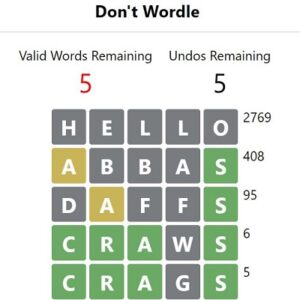
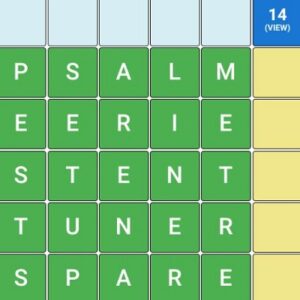
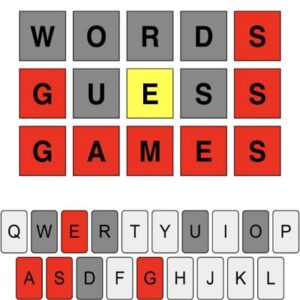
The clearest branch of the tag is built around word deduction with modified constraints. Antiwordle flips the usual goal by rewarding inefficient play, while Don’t Wordle pushes against standard optimization in a similar spirit. Weaver Wordle adds a path between words, where each step must remain close to the last, so success depends on planning transitions rather than solving one target at a time. Crosswordle and Squareword ask players to manage multiple intersecting clues, which raises the cost of every mistake because one wrong placement can affect the rest of the grid.
This is where the tag becomes more than a set of cloning variations. The games reward different kinds of thinking: elimination, word association, constraint management, and occasionally deliberate subversion. A player who does well in Wordle Online may still need to adjust in Antiwordle or Weaver Wordle, where the optimal strategy is no longer about arriving at the answer in the fewest possible moves.
Theme-Based Variants Lean on Recognition as Much as Deduction
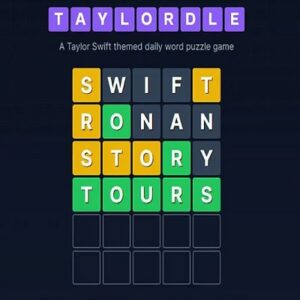
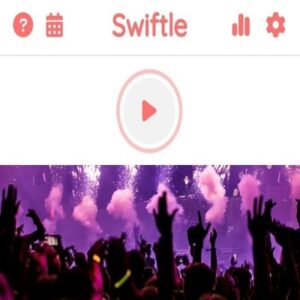
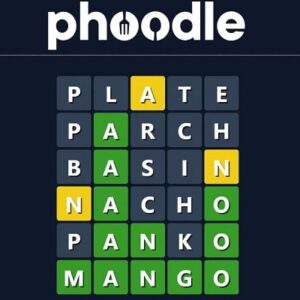
Some of the most visible entries use familiar subject matter to change the texture of the puzzle. Taylordle, Swiftle, Disney Wordle, and Phoodle all depend on specialist knowledge, but they do so in a way that still leaves room for process-of-elimination play. The puzzle is not just whether a player knows the answer; it is whether they can narrow the field using partial clues and category familiarity.
TayHeardle shifts the emphasis again by pointing toward audio recognition, which shows how far the Wordle format can stretch without losing its identity. Instead of only checking vocabulary, these games turn the daily puzzle structure into a test of memory, taste, and cultural literacy. That makes the tag attractive to players who like the Wordle rhythm but want the subject matter to feel more specific and personal.
Country, Flag, and Location Puzzles Add a Visual Layer
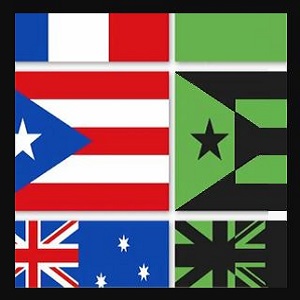
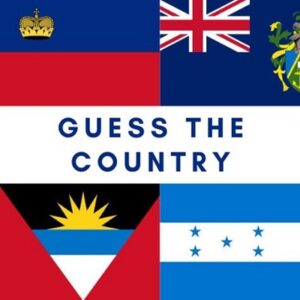
Guess the Country and Wordle Countries move the tag toward geography, while Flaggle emphasizes identifying places through symbols and visual cues. In these games, the answer is not only a word to be solved but a place to be recognized through context. That creates a different kind of pressure: players are often comparing regions, shapes, and flags as much as they are interpreting the clue structure.
These entries show how the Wordle format adapts well to knowledge domains outside language. The same guess-feedback loop works whether the target is a country name or a flag, but the reasoning changes from spelling and letter frequency to map knowledge and visual memory. For players who enjoy educational guessing games, this branch of the tag offers a broader challenge than a standard word puzzle.
Why the Format Keeps Inviting Experimentation
The tag works because its design is compact, readable, and easy to modify. One game may focus on strict word deduction, another on chained transformation, another on reverse incentives, and another on subject-specific knowledge. Even so, Wordle Online, Numberle, Tridle, and Crosswordle all preserve the same essential feeling of narrowing uncertainty through repeated guesses.
That consistency explains why the collection appeals to such different players. Some want a quick daily puzzle, some want a tougher logic exercise, and some want a version tied to their interests, whether that is music, food, countries, or fandom. The Wordle tag does not represent one fixed genre so much as a puzzle framework that keeps generating new forms of deduction.