 Snake
Snake
Snake
Snake
 Mahjongg Solitaire
The Timeless classics tag brings together games that rely on clear rules, familiar patterns, and immediate readability. With titles like Snake and Mahjongg Solitaire, the appeal comes from designs that never need a long explanation. One game is built around motion, growth, and avoiding mistakes in real time. The other is built around observation, matching, and clearing a fixed layout with patience. Both reward attention, but they ask for very different kinds of focus.
That contrast helps define the tag. These are games that remain recognizable across generations because the core loop is simple enough to understand quickly and deep enough to keep repeating. They do not depend on elaborate systems. Instead, they create challenge through timing, space, memory, and consistency.
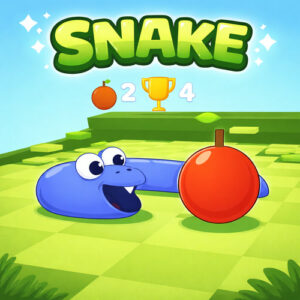
Snake is one of the clearest examples of a rule set that gets harder without changing shape. The objective is constant: move, collect, grow, and avoid trapping yourself. Every successful run makes the board tighter and the decisions more punishing. The tension comes from a familiar pattern becoming less forgiving over time.
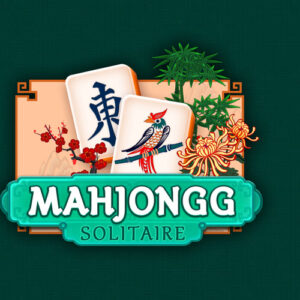
Mahjongg Solitaire follows a different path to the same kind of lasting appeal. Rather than speed and movement, it asks players to scan stacked tiles, identify pairs, and plan around blocked layers. The challenge is not mechanical complexity but board reading. Players must notice what can be removed now and what should be preserved for later.
Both games show why timeless designs endure: the rules are easy to grasp, but mastery depends on judgment. A novice can start immediately, while a more experienced player begins to see patterns, traps, and long-term consequences.
The tag is especially interesting because it includes games that sit on opposite ends of the pacing spectrum. Snake pressures the player through constant motion. Decisions happen under time pressure, and a single bad turn can end a run instantly. The best play depends on steering cleanly, anticipating future space, and resisting the urge to get boxed in.
Mahjongg Solitaire asks for the opposite temperament. It is less about reflex and more about restraint. A player can slow down, inspect the layout, and avoid wasting useful pairings too early. Where Snake punishes hesitation, Mahjongg Solitaire punishes careless matching. That difference gives the tag broad appeal: some players want quick runs and immediate consequences, while others prefer a quieter game of planning.
Even with different tempos, these classics depend on spatial awareness. In Snake, the board is a changing corridor that narrows as the snake grows. Success means understanding how movement will shape the available routes several seconds later. The player is not just reacting to the present; they are managing future room.
Mahjongg Solitaire turns space into a static puzzle of layers and visibility. The important skill is recognizing how one tile removal affects access to the rest of the stack. That often means thinking several moves ahead, not because the game is fast, but because a poor choice can leave useful pairs trapped beneath clutter.
This shared focus on reading space is a major reason the tag feels coherent. The games may look different, but both reward players who can interpret a layout rather than simply memorize a pattern.
One reason these games remain popular in browser form is that they are easy to approach in short sessions. Snake can be played in a few minutes, yet every run creates a fresh layout of risk and opportunity. Mahjongg Solitaire supports the same kind of repeat play in a more deliberate format, where each board becomes its own problem to solve.
The replay value does not depend on unlocking systems or long progression chains. It comes from clean, repeatable structures that create different outcomes through player decisions. That makes the tag attractive to people who want familiar mechanics without a heavy learning curve.
The games in Timeless classics stay relevant because they are built around fundamentals that do not go stale. Snake turns movement into escalating pressure. Mahjongg Solitaire turns pattern recognition into steady board management. Both can be understood in moments, but neither becomes trivial just because the rules are simple.
That combination of clarity and depth is what gives the tag its identity. These are games that ask for focus, reward clean decisions, and remain approachable across skill levels. Whether a player prefers the quick survival rhythm of Snake or the measured tile clearing of Mahjongg Solitaire, the common thread is a design built to last.